
Premium Channel Nut with Spring: Manufacturer & Global Supplier

Ashish Exports is a premier manufacturer and exporter of high-quality industrial fasteners. We specialize in producing a robust and reliable channel nut with spring, engineered for secure and efficient installation in strut channel systems. Our commitment to global quality standards and dependable supply chains makes us the preferred partner for international buyers seeking precision-engineered components like the channel bracket. We are the trusted spring nut supplier for projects worldwide. Our Channel Nut with Spring Services As a leading channel nut manufacturer, we provide comprehensive services tailored to meet the exacting demands of our global clientele. From bespoke production runs to seamless international logistics, our capabilities are designed to support your project from conception to completion. We ensure every channel nut with spring we produce meets stringent quality benchmarks for performance and durability. Custom Manufacturing Solutions We excel in creating custom fastening solutions based on unique client specifications. Our engineering team collaborates with you to define requirements for size, material grade, finish, and load-bearing capacity. Consultation: We begin with a thorough consultation to understand your project’s technical and environmental requirements. Prototyping: Upon request, we develop prototypes for testing and validation, ensuring the final product meets your exact needs. Production: Leveraging advanced manufacturing processes, we produce non-standard and specialty spring channel nuts with precision and consistency. Quality Assurance: Every custom order undergoes rigorous quality assurance checks to guarantee performance and compliance. Global Export and Supply Chain Ashish Exports has a proven track record in managing complex international logistics. As a seasoned spring nut supplier, we ensure your components arrive safely and on schedule, regardless of the destination. Robust Packaging: We use industry-standard packaging methods to protect products from damage and corrosion during transit. Compliance: Our operations comply with all relevant international trade policies and export regulations, facilitating smooth customs clearance. Efficient Logistics: Our established distribution network ensures reliable lead times and efficient delivery to global markets. Understanding Strut Channel Nuts Strut channel nuts are fundamental components in modular framing systems, designed for quick and secure fastening within strut channels. The integrated spring plays a critical role in simplifying installation, making it a preferred choice for electricians, mechanical contractors, and engineers. These specialized nuts are essential for creating strong, adjustable connections without the need for welding or drilling. Functionality and Core Benefits The spring on a channel nut with spring acts as a third hand, holding the nut in place within the channel. This allows for easy overhead installation and precise positioning before tightening. The nut’s toothed grooves bite into the channel’s inturned edges, creating a secure, vibration-resistant connection. Time-Saving Installation: The spring holds the nut in position, freeing up the installer’s hands. Secure Placement: Serrated grooves create a strong mechanical interlock with the strut channel. Easy Adjustment: Nuts can be easily slid along the channel for precise alignment before final tightening. Reduced Labor Costs: Faster and simpler installation translates directly to lower labor expenses. Types of Spring Nuts Available We manufacture various types of spring channel nuts to suit different installation requirements and channel depths. The primary distinction is the spring length, which determines its suitability for specific channel profiles. Feature Long Spring Channel Nut Short Spring Channel Nut Ideal Use Case Deeper strut channels (e.g., P1001, P3301) Shallow or half-height channels (e.g., P1000T, P4000) Functionality Provides necessary tension to hold the nut in place in deep profiles. Designed to fit compact spaces without the spring bottoming out. Application Example Heavy-duty mechanical supports and trapeze hangers. Wall-mounted conduit supports and low-profile framing. Understanding the difference between a long spring channel nut and a short spring channel nut is crucial for ensuring a secure and proper fit within your chosen strut system. Product Specifications and Materials The material and finish of a channel nut with spring are critical to its longevity and performance, especially in demanding environments. We offer a range of options to meet diverse corrosion resistance and strength requirements, including high-grade stainless steel and durable zinc-plated carbon steel. High-Grade Stainless Steel Channel Nut Our stainless steel channel nut is the ideal choice for applications requiring superior corrosion resistance. Manufactured from SS304 or SS316 grades, these nuts withstand harsh conditions without compromising structural integrity. Corrosion Resistance: Excellent for outdoor, marine, chemical plant, and food processing environments. Material Standards: Compliant with ASTM standards for material composition and strength. Longevity: Offers a long service life with minimal maintenance, even in corrosive atmospheres. When ultimate durability is required, a high-grade stainless steel channel nut provides unmatched performance. Durable Zinc Plated Spring Nut The zinc plated spring nut offers a reliable and cost-effective solution for corrosion protection in indoor or dry environments. The electro-galvanized finish provides a barrier against moisture and oxidation. Finishing Process: Carbon steel nuts are coated with a layer of zinc through an electro-plating process for standard protection. Application Suitability: Ideal for general construction, electrical supports, and mechanical systems in controlled indoor settings. Enhanced Protection: For more demanding applications, we also offer a hot-dip galvanized finish, which provides a thicker, more durable protective layer. Our standard zinc plated spring nut meets industry specifications for finish thickness and performance. Key Applications for Channel Nut with Spring The versatility of the channel nut with spring makes it an indispensable component across a wide range of industries. Its ability to create strong, adjustable connections in strut framing systems is leveraged for everything from electrical raceways to complex plumbing supports. These fasteners are fully compatible with standard Unistrut-type systems, making our unistrut nuts with spring a universally applicable solution. Electrical and Mechanical Supports In industrial and commercial construction, strut channel nuts are fundamental for building support infrastructure. They are used extensively for: Supporting cable trays and conduit runs along walls and ceilings. Bracing and securing electrical panels, junction boxes, and control cabinets. Creating support frames for machinery and mechanical equipment in data centers and manufacturing plants. Our unistrut nuts with spring ensure these critical systems are mounted securely and with precision. HVAC and Plumbing Installations The adjustability of our fasteners is highly valued in HVAC and
Buy Pipe Clamps from a Trusted Indian Manufacturer

Ashish Exports is your reliable partner for high-quality industrial hardware. Leveraging decades of manufacturing expertise, we provide robust and precision-engineered solutions for global buyers who need to buy pipe clamps for critical applications. Ashish Exports: A Legacy of Quality While Ashish Exports is known for excellence in the mint and aromatics industry, our core principles of precision manufacturing, quality control, and ethical business practices are universal. This foundation allows us to deliver superior industrial products you can trust. Our Decades of Manufacturing Excellence Our manufacturing journey began in 1982, instilling a deep-rooted commitment to quality. This extensive experience in producing goods for stringent international markets translates directly into our industrial hardware division, which includes various fabricated components. The same precision required for chemical and oil production is applied to every pipe clamp we manufacture. Commitment to Ethical Business Practices We pride ourselves on a dedicated workforce and unwavering ethical standards. This commitment ensures every client receives consistent product quality and transparent communication. This established reputation for reliability is the cornerstone of our promise when you buy pipe clamps from us. Our Comprehensive Industrial Pipeclamp Range We offer a diverse selection of clamps and related hardware like the channel nut, designed to meet the rigorous demands of various industrial sectors. Our products are engineered for safety, durability, and performance. Heavy-Duty Clamps for Demanding Use Our heavy-duty clamps are built to perform in the toughest environments, including manufacturing plants, power generation facilities, and processing units. Key features include: High load-bearing capacity for heavy pipe systems Superior vibration and shock resistance Robust construction from high-grade materials Compliance with industrial safety standards Precision-Engineered Pipeline Clamp Solutions We provide specialized clamps for securing critical pipelines in sectors like oil and gas, water treatment, and chemical transport. A secure pipeline clamp is essential for operational integrity, and our products offer corrosion resistance and dependable fastening to prevent leaks and failures. Versatile Pipe Holder Clamp Bracket Options Our product line extends to a variety of brackets and holders, including the versatile channel bracket, suitable for commercial, residential, and construction applications, ensuring secure and stable pipe installation. Clamps for Plumbing and HVAC Systems We manufacture a complete range of clamps for plumbing and HVAC installations. Our focus is on providing solutions that are easy to install and compatible with all common pipe materials. Riser Clamps: For supporting vertical pipe runs. Clevis Hangers: For suspending horizontal pipes from above. Split Ring Hangers: For easy installation on existing pipelines. Solutions for Construction Applications In construction, a reliable pipe holder clamp bracket is crucial for safety and efficiency. Our clamps are used for securing conduits, temporary piping, and scaffolding components, all while adhering to strict construction safety standards. Materials, Finishes, and Specifications We use premium materials and offer various finishes to ensure our products meet your project’s specific environmental and performance requirements. Durable Stainless Steel and Coated Options Our clamps are available in several material and finish combinations to provide optimal performance and longevity. Stainless Steel (SS 304, 316): Offers excellent corrosion resistance for harsh environments. Carbon Steel: Provides high strength for heavy-duty applications. Specialized Coatings: Includes hot-dip galvanized, zinc-plated, and epoxy coatings for enhanced protection against rust and chemical exposure. Custom Sizing and Load Ratings We understand that standard sizes do not fit all applications. Ashish Exports can manufacture clamps to your exact dimensions and load specifications. Our engineering team works with you to ensure the final product meets your technical requirements, making it simple to buy pipe clamps for unique projects. Why Buy Pipe clamps from Ashish Exports? Our long-standing global presence and commitment to customer satisfaction make us the ideal partner for your industrial hardware needs. Global Experience in Supply and Export With export operations spanning since 2005, we have a proven track record of reliable international logistics and supply chain management. We handle all necessary documentation to ensure a smooth procurement process for our global clients who buy pipe clamps. Dedicated Support and Technical Expertise Our dedicated workforce is ready to provide technical assistance, help with product selection, and ensure your order meets all specifications. We focus on building long-term partnerships by providing exceptional service and reliable products. Frequently Asked Questions Q1. What types of pipe clamps does Ashish Exports offer? We offer a wide range including heavy-duty, riser clamps, clevis hangers, and split ring hangers. Q2. Can I request custom specifications for a pipe holder clamp bracket? Yes, we manufacture clamps to custom dimensions and load rating specifications upon request. Q3. What materials are your industrial pipeclamps made from? Our clamps are made from high-grade materials like Stainless Steel (304, 316) and Carbon Steel. Q4. How do I choose the right pipeline clamp for my application? Our technical team can assist you in selecting the appropriate clamp based on pipe size, load, and environment. Q5. What industries do you supply pipe clamps to? We supply to construction, oil & gas, manufacturing, water treatment, plumbing, and HVAC industries. Q6. Do you offer bulk pricing for large orders of pipe clamps? Yes, we provide competitive pricing for bulk and wholesale orders for our international partners. About the author Kriti Mittal Meet Kriti Mittal, the brand storyteller at Ashish International, a global leader in sheet metal components and industrial fasteners. She specialises in turning technical expertise into engaging stories that highlight the company’s precision, quality, and product innovations. Passionate about manufacturing trends and clear communication, she connects global industries with Ashish International’s vision of performance, trust, and reliability. Linkedin Instagram
How Much Weight Can Strut Channel Support? A 2026 Guide
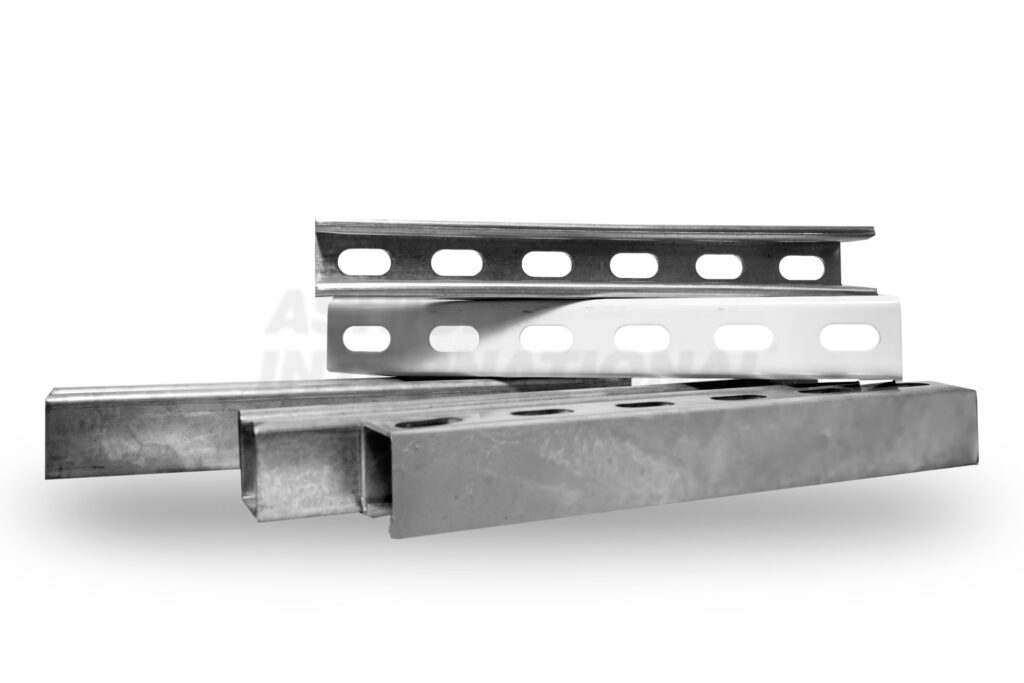
A crucial question for engineers and installers is, “how much weight can strut channel support?” This versatile component is the backbone of modern construction, but its capacity isn’t a single number. This guide will break down the factors determining strut channel strength, ensuring you build safe, reliable support systems for any project. Understanding the Basics: What is Strut Channel? Strut channel, also known as channel framing, is a standardized structural system used to support and connect components in construction and industrial applications. Its unique design provides a strong, versatile, and adjustable framework without the need for welding or drilling. The Anatomy of a Strut Channel System At its core, a strut channel is a C-shaped or U-shaped metal profile with inward-curving lips, engineered to accept specialized fittings and fasteners. This design is key to its modularity. Profile: The iconic C-shape with internal lips allows for the insertion of channel nuts, which can be positioned anywhere along the channel’s length. Plain vs. Slotted: Plain channels offer maximum strength for a given profile, while slotted channels provide superior adjustability for connections and are ideal for securing pipes and conduits at various points. Materials: Durability is paramount. At Ashish International, we manufacture a comprehensive range from high-quality mild steel and stainless steel, ensuring longevity and resistance to environmental factors. Common Applications in MEP and Construction Strut channel is the backbone for Mechanical, Electrical, and Plumbing (MEP) installations. Its adaptability makes it indispensable for: Supporting electrical conduit, cable trays, and data cabling. Hanging HVAC ductwork and ventilation systems. Securing plumbing pipes and process piping. Creating modular support frames, trapeze hangers, and ceiling grids. Ashish International’s modular support system is designed to simplify these complex MEP frameworks, offering engineers flexible, load-bearing solutions adaptable to any project size. As a leader in MEP Structure Solutions, Ashish International has over 25 years of experience providing the high-quality strut systems that modern construction demands. Key Factors Determining How Much Weight Can Strut Channel Support The answer to “how much weight can strut channel support?” depends on several interconnected variables. Understanding these factors is essential for designing a safe and efficient system. The question of how strong a strut channel is directly answered by these elements. Material and Gauge: Steel Thickness Matters The material’s thickness, or gauge, is a primary strength factor. In steel, a lower gauge number signifies a thicker, stronger product. For instance, a 12-gauge channel is significantly stronger than a 14-gauge channel of the same profile. The type of steel, such as mild steel for general use or stainless steel for corrosive environments, also affects overall performance. Ashish International’s commitment to using high-grade raw materials is the first step in guaranteeing a reliable strut support system. Channel Profile and Dimensions (e.g., 41×41 vs. 41×21) The cross-sectional shape and size of the channel dictate its resistance to bending (flexural strength). Deeper profiles can handle heavier loads over longer spans. Profile Type Typical Dimensions Primary Advantage Standard/Deep Channel 1-5/8″ x 1-5/8″ (41x41mm) Higher load capacity and greater rigidity, ideal for heavy loads and longer spans. Shallow Channel 13/16″ x 1-5/8″ (21x41mm) Lighter weight and suitable for low-profile applications or lighter loads. Back-to-Back Channel Two channels welded together Significantly increases load capacity and resistance to twisting (torsional strength). Span Length: The Critical Distance Between Supports This is arguably the most critical factor. The longer the distance (span) between support points, the lower the channel’s weight capacity. Think of it like a wooden plank — it’s much easier to bend a long plank in the middle than a short one. Careful planning of support locations based on the expected load is non-negotiable for determining how much weight a strut channel can support. How to Read Load Tables to Find How Much Weight Can Strut Channel Support Manufacturer-provided technical data is the only reliable way to determine a channel’s capacity. Guesswork has no place in structural support. Decoding Manufacturer Load Charts Reputable manufacturers like Ashish International provide detailed load tables for their products. These charts are the most accurate source of information for understanding how much weight a strut channel can support. Here’s how to read them: Find the Span: Locate the column for the distance between your supports. Check the Uniform Load: This column shows the maximum allowable load (in kg or lbs) that can be distributed evenly across that span. Note the Deflection: This indicates how much the channel will bend under the maximum load. Excessive deflection can be an issue in some applications. Apply a Safety Factor: Always design your system with a safety margin. Never load a channel to its absolute maximum listed capacity. Understanding Different Load Types (Uniform vs. Concentrated) How the weight is applied dramatically affects the channel’s capacity. Load Type Description Impact on Capacity Uniform Load Weight is distributed evenly along the channel’s length, like a fully loaded cable tray. Channels can support the highest total weight under this condition. Load tables are typically based on uniform loads. Concentrated Load Weight is applied at a single point, like a heavy piece of equipment hanging from one spot. The channel’s capacity is significantly reduced. A concentrated load at the center of a span is roughly half the capacity of a uniform load. Beyond the Channel: How Strong is a Strut Channel System? The channel itself is only one part of the equation. A complete system’s strength depends on every component working together. The entire assembly is only as strong as its weakest link, which is why understanding how much weight a strut channel can support must include the fittings. The Critical Role of High-Quality Fittings and Fasteners The integrity of your installation relies on using correctly rated and manufactured fittings. Inferior nuts, bolts, or brackets can fail long before the channel itself reaches its load limit. Ashish International manufactures a comprehensive ecosystem of products designed to work seamlessly together, including: Channel Spring Nuts Channel Brackets (L, T, Z, U, etc.) Pipe Clamps & Hangers Cantilever Arms Beam Clamps Industrial Fasteners Using a single-source
The Ultimate Clevis Hanger Size Chart (Updated for 2026)
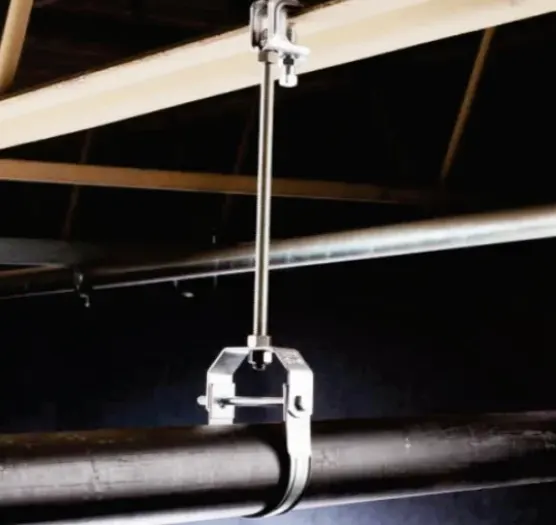
A reliable clevis hanger size chart is essential for any professional involved in safe and efficient pipe installation. This guide provides the definitive resource for understanding pipe support systems, offering updated 2026 data to explain everything from reading dimensions to calculating load capacity. With this information, you can confidently select the perfect clevis hanger to ensure your project’s structural integrity and long-term performance. Understanding the Basics: What is a Clevis Hanger? A clevis hanger is a foundational component in pipe support systems, designed to suspend non-insulated, stationary horizontal pipelines from above. It provides a secure, pivoting connection point that accommodates pipe movement and ensures stability. It is a go-to choice for plumbing, HVAC, and fire protection systems due to its simplicity and reliability. The Core Components of a Clevis Hanger Understanding the anatomy of a clevis hanger is the first step in selecting the correct one from a clevis hanger size chart. Its design is straightforward but effective: The Clevis: A U-shaped metal piece with holes at the top to connect to a threaded hanger rod. The Lower Strap/Saddle: The bottom piece that cradles the pipe, providing support. The Clevis Pin: A pin or bolt that connects the clevis and the lower strap, creating a pivot point. The pin’s sizing is crucial for bearing the load. In some installations, the clevis hanger is used alongside a channel bracket to distribute load and ensure a secure connection to overhead structural elements. Common Clevis Hanger Materials and Finishes The material and finish determine a hanger’s durability and suitability for different environments. Choosing the right one prevents corrosion and ensures a long service life. Material/Finish Common Use Case Key Benefit Carbon Steel (Plain) Dry, indoor environments with no corrosion risk. Most cost-effective option. Electro-Galvanized Steel Indoor applications where minor moisture may be present. Provides a thin layer of zinc for basic corrosion resistance. Hot-Dip Galvanized Steel Outdoor and corrosive environments (e.g., industrial plants, coastal areas). Offers superior, thick-layer corrosion protection. Stainless Steel Highly corrosive or sanitary environments (e.g., chemical plants, food processing). Excellent resistance to rust and chemical corrosion. How to Read and Use a Clevis Hanger Size Chart A clevis hanger size chart can seem intimidating, but it’s a simple tool once you understand its layout. This section breaks down the process of how to read a clevis hanger chart effectively. Decoding Key Columns: Nominal Pipe Size, Max Load, and Dimensions To master the clevis hanger size chart, follow these steps: Find the Nominal Pipe Size (NPS): Locate the row corresponding to the pipe size you are supporting (e.g., 2″, 4″, 6″). Check the Maximum Recommended Load: This is the most critical column. It specifies the clevis hanger load capacity in pounds or kilograms. Always ensure your calculated load is below this value. Identify the Hanger Rod Size: This column tells you the required diameter of the threaded rod needed to suspend the hanger (e.g., 3/8″, 1/2″). Review Key Dimensions: Look for other measurements like ‘Center of Pipe to Top of Hanger’. These clevis hanger dimensions are vital for planning installation height and ensuring clearance. Learning how to read a clevis hanger chart correctly prevents costly errors and ensures system safety. Understanding Pipe OD vs. Nominal Pipe Size (NPS) A common point of confusion for newcomers is the difference between NPS and the actual Outer Diameter (OD) of a pipe. They are not the same. For example, a 2-inch NPS pipe has an actual OD of 2.375 inches. Clevis hangers are sized by NPS to simplify the selection process, matching the hanger to the standard pipe name rather than a precise measurement. This standardization is key to comparing various pipe hanger sizes. The Comprehensive Clevis Hanger Size Chart (Standard Dimensions) Below is a typical standard clevis hanger chart. While this serves as an excellent reference, always consult the specific manufacturer’s data sheet before making a final purchase. The values in any clevis hanger size chart can vary slightly between brands. Chart for Standard Steel Pipe (Schedule 40) This sample standard clevis hanger chart covers common pipe hanger sizes. Nominal Pipe Size (NPS) Max Recommended Load (lbs) Hanger Rod Size (in) Center of Pipe to Top of Hanger (in) 1/2″ 610 3/8 1-7/8 1″ 610 3/8 2-1/4 2″ 730 1/2 3-1/8 3″ 1130 5/8 4-1/4 4″ 1550 3/4 5-1/4 6″ 2300 7/8 7-1/4 8″ 3260 1 9-1/2 10″ 3800 1-1/8 11-1/2 12″ 4500 1-1/4 13-1/2 Disclaimer: This is an example clevis hanger size chart. Always verify data with your specific supplier. Considerations for Insulated Pipe Support When using a clevis hanger for pipe support with insulation, you must account for the increased overall diameter. The insulation adds bulk, requiring an oversized clevis hanger or the use of a pipe shield (or saddle) to protect the insulation from being crushed. Importantly, the weight of the insulation and any protective shield must be added to your total load calculation to ensure you do not exceed the hanger’s capacity. These configurations are often part of a broader modular support system, which allows for customizable arrangements to suit complex mechanical layouts. Critical Factors for Selecting the Right Clevis Hanger Choosing the correct hanger goes beyond just matching the pipe size. You must consider the total load and the specific installation requirements. Calculating and Verifying Clevis Hanger Load Capacity Before consulting the clevis hanger size chart, calculate the total load your hanger must support. Use this simple formula: Total Load = (Weight of Pipe per foot x Span between Hangers) + Weight of Contents per foot + Weight of Insulation per foot After calculating the total load, apply a safety factor (consult project specifications, but 2.5 is common) and check that the final number is well below the clevis hanger load capacity listed on the chart. Why an Adjustable Clevis Hanger Might Be Necessary In some situations, a standard hanger isn’t enough. An adjustable clevis hanger provides the ability to modify the elevation of the pipe after it has been installed. This is particularly useful for: Sloped
The Ultimate Guide to Pipe Clamp Types in 2026

Understanding the different pipe clamp types is crucial for any project requiring secure piping, from simple plumbing to complex industrial systems. This guide for 2026 explores everything you need to know, from common materials and designs to selecting the perfect clamp for your application. A secure system starts with the right components, making knowledge of various pipe clamp types an essential asset. What is a Pipe Clamp and Why is it Essential for Secure Systems? The Core Function of Pipe Support Clamps A pipe clamp is a device engineered to secure and support pipes, tubes, and conduits, ensuring they remain fixed in their intended position. The primary job of pipe support clamps is to maintain system integrity. Anchoring: Preventing longitudinal or lateral movement caused by thermal expansion, contraction, or vibration. Supporting: Bearing the weight of the pipe and its contents to prevent sagging or stress on joints. Absorbing Vibration: Reducing noise and mechanical shock, which is critical in dynamic systems. It’s important to distinguish between securing, which holds a pipe firmly, and supporting, where devices like hangers bear weight. Many versatile pipe clamp support systems perform both functions effectively, especially in modern industrial and modular setups. Common Materials: From Stainless Steel to Coated Metals The material of a pipe clamp dictates its performance and lifespan. In 2026, material science continues to advance, but these core options remain vital. Material Key Advantage Best For Cost Stainless Steel Excellent Corrosion Resistance Marine, Chemical, Food Grade High Galvanized Steel Good Corrosion Resistance Outdoor, Damp Environments Medium Carbon Steel High Strength & Low Cost Indoor, Dry Environments Low Plastic/Nylon Lightweight & Non-Conductive Electrical, PEX Tubing Low Stainless Steel (Grades 304 & 316): The top choice for corrosion resistance. Stainless steel pipe clamps are essential in marine, chemical, and food processing environments. Grade 316 offers superior resistance to chlorides.Galvanized Steel: Carbon steel coated with a layer of zinc, providing good corrosion resistance for outdoor or damp applications at a lower cost than stainless steel.Carbon Steel: Strong and cost-effective, often used for general indoor applications where moisture is not a concern. It can be painted or coated for extra protection.Plastic/Nylon: Lightweight, corrosion-proof, and excellent for electrical insulation. Ideal for smaller diameter pipes, PEX tubing, and conduit. A Closer Look at Common Pipe Clamp Types The Ubiquitous U-Bolt Pipe Clamp The design of a U-bolt pipe clamp is simple yet effective: a U-shaped rod threaded on both ends. It wraps around the pipe and is secured with nuts, typically to a structural element like a beam or wall. Its enduring popularity comes from its strength and simplicity. The U-bolt pipe clamp is a foundational component in securing pipework across countless industries. When you need a reliable anchor point, a U-bolt pipe clamp is often the first choice. The Flexibility of Adjustable Pipe Clamps The main benefit of adjustable pipe clamps is their ability to fit a range of pipe diameters. This category includes worm gear (hose) clamps and band clamps. Their design allows them to be tightened for a snug fit, making them perfect for situations where pipe sizes are non-standard or when a single clamp type needs to cover multiple diameters. These versatile adjustable pipe clamps are a must-have in any maintenance toolkit. For structural consistency, many installers pair adjustable clamps with a channel bracket for easy alignment and stable mounting, particularly in HVAC or electrical conduit systems. Specialized Clamps: Solutions for Industrial and Heavy-Duty Needs Understanding Heavy-Duty Pipe Clamps This is where heavy-duty pipe clamps come in. Construction: Made from thicker, more robust materials with high-strength fasteners. Types: Include riser clamps (support vertical pipe runs), clevis hangers (support horizontal runs from above), and saddle clamps (provide a wide support base). Applications: Commonly found in power plants, oil and gas refineries, and large-scale commercial construction projects. These powerful heavy-duty pipe clamps ensure the safety and stability of critical infrastructure, often as part of a broader strut support system that distributes load evenly and enhances overall pipe stability. Cushioned Pipe Clamps for Vibration and Shock Absorption Often called vibration-damping clamps, cushioned pipe clamps feature a metal body with a durable elastomer (rubber) lining. This design is engineered to solve specific problems. Reduces Noise & Vibration: The cushion absorbs shock, making them ideal for hydraulic lines and systems with pumps or motors. Prevents Galvanic Corrosion: Creates a barrier between a pipe and a clamp made of dissimilar metals. Protects Pipe Surface: Prevents scratches and damage to pipes or cable sheathing. The unique benefits of cushioned pipe clamps make them essential for protecting sensitive systems and ensuring a quiet, efficient operation within any modular support system. How to Choose the Perfect Clamp from All Pipe Clamp Types A Guide to Pipe Clamp Sizes and Measurements Selecting the right size is critical across all pipe clamp types. An incorrect fit can lead to pipe damage or system failure. Measure the Outer Diameter (OD): Do not use the nominal pipe size (e.g., a 1-inch pipe). Wrap a flexible measuring tape around the pipe to get the circumference, then divide by Pi (3.14159) to find the OD. Alternatively, use calipers for a direct measurement. Consult Sizing Charts: Manufacturers provide charts that match clamp sizes to specific pipe ODs. Account for Coatings/Insulation: If the pipe is coated or insulated, measure the final outer diameter including this layer. Environmental Considerations for Clamp Selection Your choice among different pipe clamp types will also be heavily influenced by the operational environment. Factors like exposure to chemicals mean that robust stainless steel pipe clamps might be necessary. Environmental Factor Consideration Recommended Clamp Solution High Moisture / Saltwater Risk of rust and corrosion Stainless Steel (316) or Hot-Dip Galvanized Extreme Temperatures Material expansion/contraction Steel clamps with appropriate ratings, sometimes with guide supports Vibration / Dynamic Loads Fatigue, noise, and loosening Cushioned pipe clamps or heavy-duty supports Chemical Exposure Material degradation Stainless Steel or specialized polymer clamps Practical Use Cases: Where Are These Pipe Clamp Types Most Effective? Essential Roles in Plumbing and HVAC Systems In residential and
Understanding the Core Characteristics of a Pipe Clamp: A 2026 Guide
In any industrial or domestic setting, the components that ensure stability are often the most overlooked. Pipe clamps are fundamental to safety and efficiency, securing everything from household plumbing to complex industrial pipelines. For any operation that relies on secure infrastructure, understanding what is a characteristic of a pipe clamp is the first step toward building a reliable system. This guide explores the essential traits that define a quality pipe clamp in 2026. The Fundamental Role of Clamps in Modern Industry Clamps are the unsung heroes of mechanical and structural engineering. They provide the critical support and fastening power that holds complex systems together, ensuring everything operates as intended, from simple consumer goods to massive industrial plants. In many advanced installations, pipe clamps often work in combination with a channel bracket, which provides structural reinforcement and flexibility for mounting across various applications. From Bicycle Spares to Industrial Manufacturing: The Universal Need for Secure Fastening The need for secure fastening is universal. At Ashish Exports, we see this firsthand in the diversity of our export portfolio. Clamps are essential for products like the bicycle-spares (HSN Code: 87149990) we ship globally, where they secure seat posts and handlebars. This same principle scales up dramatically in industrial settings. In our own manufacturing plants for mint products and essential oils, robust piping systems are the lifeblood of our operations. The safety and efficiency of these systems depend entirely on high-quality fastening solutions, making the question of what is a characteristic of a pipe clamp a matter of operational integrity. Defining the Pipe Clamp: More Than Just a Fastener A pipe clamp is a specialized fastener designed to encircle and secure a pipe or tube to a fixed surface, such as a wall, ceiling, or structural beam. Its primary pipe clamp function is to provide support, prevent movement or vibration, and maintain the alignment of the piping system. Unlike a generic nail or screw, its design is specifically contoured for cylindrical objects, applying uniform pressure to create a firm, non-damaging grip. The fundamental answer to what is a characteristic of a pipe clamp is its unique ability to safely restrain pipes. In modern facilities, pipe clamps are often integrated within a larger modular support system to enhance adaptability and ease of maintenance. Core Characteristics: What Defines a Quality Pipe Clamp? Not all pipe clamps are created equal. Several core characteristics determine a clamp’s suitability for a specific application, its durability, and its overall reliability. A key question is what is a characteristic of a pipe clamp that ensures longevity? Material Properties of Pipe Clamps: Strength and Durability The material is the foundation of a clamp’s performance. The choice of material dictates its strength, lifespan, and resistance to environmental factors. At Ashish Exports, our commitment to using the finest raw materials for products like Natural Menthol Crystal mirrors the importance of selecting the right material for industrial hardware. The material properties of pipe clamps are a critical consideration. Stainless Steel: Offers excellent strength and superior corrosion resistance, ideal for outdoor, marine, or chemical-processing environments. Carbon Steel: Known for its high strength and durability, often coated (e.g., galvanized) to protect against rust. Galvanized Steel: Carbon steel coated with a layer of zinc for enhanced corrosion protection at a lower cost than stainless steel. Plastic/Nylon: Used for lightweight applications, providing corrosion-free support and electrical insulation. Design and Clamping Mechanism: How They Work Another answer to what is a characteristic of a pipe clamp lies in its design. Most pipe clamps consist of two main parts: the band or saddle that fits around the pipe and a tightening mechanism, typically one or more screws or bolts. When tightened, the mechanism draws the band securely around the pipe, creating friction and pressure to hold it in place. Common designs include two-piece clamps that bolt together and single-piece U-bolts that are secured with nuts. For complex layouts and industrial environments, these clamps are frequently used alongside a strut support system to provide adjustable, modular, and vibration-resistant mounting solutions. Key Performance Characteristics to Consider for 2026 Beyond basic materials and design, specific performance metrics are crucial for ensuring a clamp will perform reliably under pressure. When evaluating options, what is a characteristic of a pipe clamp that cannot be ignored is its ability to handle the specific stresses of its environment. For complex layouts and industrial environments, these clamps are frequently used alongside a strut support system to provide adjustable, modular, and vibration-resistant mounting solutions. Load-Bearing Capacity: Ensuring Structural Integrity The load-bearing capacity refers to the maximum weight or force a clamp can safely support without failing. This is arguably the most critical performance characteristic, as exceeding it can lead to catastrophic system failure. Factors influencing load-bearing capacity include: Material Thickness: A thicker, more robust band can withstand greater force. Design Integrity: The quality of welds and the strength of the fastener are crucial. Fastener Quality: The grade and size of the bolts or screws used to secure the clamp. Always consult the manufacturer’s specifications to ensure the clamp’s load-bearing capacity is sufficient for your application. Corrosion and Temperature Resistance in Demanding Environments So, what is a characteristic of a pipe clamp that matters most in harsh settings? Its resistance to the elements. Environmental factors like moisture, salt, industrial chemicals, and extreme temperatures can degrade a clamp over time. This is where corrosion resistance becomes non-negotiable. In the distillation plants used for Ashish Exports’ aromatic chemicals, where temperature fluctuations and chemical exposure are constant, using clamps with high corrosion resistance (like stainless steel) is essential for safety and longevity. This focus on durability is a core part of effective industrial pipe clamp support and overall system performance. Common Types of Pipe Clamps and Their Specific Uses The vast range of applications has led to the development of many different types of pipe clamps. Choosing the right one is essential for optimal performance. The primary pipe clamp function remains the same, but the design is tailored to the need. An Overview of
What is Fabricated Metal Product Manufacturing

At Ashish International, we specialize in delivering precision-engineered fabricated metal products that power industries across construction, infrastructure, and renewable energy. With over 25 years of expertise, our in-house facilities manufacture everything from fabricated components to large-scale fabricated steel products with unmatched quality and consistency. What Is Fabricated Metal Product Manufacturing? Fabricated metal product manufacturing involves transforming raw metal materials into functional, ready-to-use products through cutting, bending, welding, and finishing. At Ashish International, this process combines innovation, automation, and craftsmanship to create reliable structures used in diverse applications—from MEP systems to solar installations. Our advanced manufacturing unit in Ludhiana is equipped with CNC machines, laser cutters, and automated fabrication tools that ensure accuracy and repeatability in every project. Our Core Fabrication Capabilities 1. Fabricated Components Our fabricated components are engineered for strength and precision. We cater to industries such as HVAC, electrical, and construction with tailor-made brackets, clamps, and fittings. Each component undergoes rigorous quality checks to ensure dimensional accuracy and durability under demanding environments. 2. Fabricated Steel and Steel Products When it comes to heavy-duty industrial applications, fabricated steel is the backbone of reliability. We design and produce a wide range of fabricated steel products—including strut channels, cantilever arms, hangers, and clamps—that meet international standards for load-bearing capacity and corrosion resistance. Our fabrication processes include: Precision cutting and welding Galvanization and powder coating Assembly and finishing tailored to client specification 3. Solar Panel Mounting Structure Solutions In the renewable energy sector, structural integrity and alignment are critical. Ashish International provides turnkey solutions for solar panel mounting structure fabrication. Our solar mounting systems are: Designed for easy installation and maintenance Made from high-strength galvanized steel Compatible with ground-mounted and rooftop systems These systems are engineered to withstand high wind loads and environmental stress, ensuring long-term performance and energy efficiency. Industries We Serve Mechanical, Electrical & Plumbing (MEP) Systems Renewable Energy and Solar Infrastructure Building Construction and Structural Engineering Industrial Equipment Manufacturing Oil & Gas and Power Generation Our products are trusted by engineers and project managers worldwide for their reliability, customization, and cost-effectiveness. Why Choose Ashish International? 25+ years of experience in metal fabrication and export manufacturing ISO-certified quality assurance at every stage Custom OEM/ODM capabilities for global projects Fast production timelines supported by in-house processes Comprehensive after-sales support and expert guidance Every fabricated product from Ashish International represents precision, durability, and performance—values that define our brand and our legacy. Partner with Ashish International Today Whether you need fabricated components, fabricated steel structures, or solar panel mounting structure solutions, Ashish International delivers excellence built to perform. Contact us today to experience precision manufacturing, superior quality, and dependable service for your next project. Frequently Asked Questions Q1. What are fabricated metal products? Fabricated metal products are structures or components made from raw metals using processes like cutting, bending, welding, and finishing to meet specific engineering needs. Q2. Does Ashish International provide custom fabrication? Yes, we specialize in custom fabrication to meet unique project requirements for different industries, including MEP systems and renewable energy. Q3. What materials are used in your fabrication process? We primarily use high-grade steel, stainless steel, and galvanized metals, depending on the application and environmental conditions. Q4. Are your fabricated steel products corrosion-resistant? Yes, our fabricated steel products are treated with anti-corrosion coatings and galvanization to ensure long-term durability. Q5. Can you supply solar panel mounting structures internationally? Absolutely. Our solar panel mounting structure systems are designed and shipped globally with full support documentation. Q6. How can I get a quotation for fabricated components? You can easily request a quote or reach us at +91-99888-54380 to discuss your fabrication requirements. About the author Kriti Mittal Meet Kriti Mittal, the brand storyteller at Ashish International, a global leader in sheet metal components and industrial fasteners. She specialises in turning technical expertise into engaging stories that highlight the company’s precision, quality, and product innovations. Passionate about manufacturing trends and clear communication, she connects global industries with Ashish International’s vision of performance, trust, and reliability. Linkedin Instagram
What is a Pipe Hanger

Pipe hangers are an essential yet often overlooked part of plumbing and industrial systems. Whether in a high-rise building or a large-scale manufacturing facility, the integrity and safety of pipelines depend heavily on proper support and alignment. This guide explores what is a pipe hanger, the types of pipe hangers and supports, their uses in plumbing and industrial applications, and a step-by-step pipe hanger installation guide. What Is a Pipe Hanger? A pipe hanger is a mechanical support device used to hold, suspend, or secure pipes along walls, ceilings, or other structures. Its main purpose is to carry the weight of the piping system while allowing for movement caused by thermal expansion, vibration, or external forces. Pipe hangers come in many configurations, from simple adjustable clamps to more sophisticated assemblies that integrate vibration control or load adjustment. In large industrial environments, they often connect with strut channels, channel clamps, and other structural fittings to create a secure, flexible piping network. Importance of Pipe Hangers in Plumbing and Industrial Systems Properly installed pipe hangers ensure that the piping system operates safely and efficiently. Here’s why they matter: Structural Integrity: Prevents pipe sagging, bending, or detachment due to weight or pressure changes. Noise and Vibration Reduction: Minimizes vibration transfer and operational noise. Corrosion and Damage Prevention: Keeps pipes elevated and protected from moisture or external damage. Longer System Lifespan: Reduces maintenance costs and prevents premature system failures. In plumbing systems, pipe hanger uses include supporting hot and cold water lines, drainage pipes, and HVAC conduits. In industrial settings, steel pipe hangers are indispensable for oil, gas, and chemical pipelines where strength and corrosion resistance are critical. Types of Pipe Hangers and Supports Different applications require different types of hangers and supports. Below are the most common kinds used in residential, commercial, and industrial systems. 1. Clevis Hangers A clevis hanger is a U-shaped bracket designed for horizontal pipe runs. It allows easy vertical adjustment and is widely used for suspended plumbing systems. 2. Riser Clamps Riser clamps support vertical pipes that run through multiple floors. They distribute the pipe load evenly and prevent vertical movement. 3. Adjustable Pipe Hangers These are designed for pipelines that experience movement due to expansion or contraction. Adjustable pipe hangers are often used in HVAC and industrial piping systems where precision alignment is necessary. 4. Split Ring Hangers Split ring hangers provide 360-degree support for pipes and are ideal for light-duty plumbing or mechanical applications. 5. Steel Pipe Hangers Steel pipe hangers for industrial use offer maximum strength, durability, and resistance to corrosion. They are commonly used in process plants, refineries, and manufacturing units. In addition to hangers, complementary hardware such as strut clamps, beam clamps, and channel clamps play a crucial role in securing and stabilizing pipes to structural frames and beams. Pipe Hanger Installation Guide Installing pipe hangers correctly ensures safety and efficiency. Follow this structured guide for best results: Step 1: Plan and Mark the Layout Determine the pipe route and mark hanger locations at even intervals. Avoid spacing that allows excessive sagging. Step 2: Choose the Right Type of Pipe Hanger Select the appropriate hanger type depending on pipe size, material, and environment—clevis for horizontal runs, riser clamps for vertical installations, or adjustable hangers for dynamic pipelines. Step 3: Install Anchors and Brackets Attach the hanger supports securely to walls, ceilings, or beams using anchors and brackets. For larger systems, beam clamps or strut channels may be necessary for stable load distribution. Step 4: Position and Secure the Pipe Place the pipe in the hanger and ensure proper leveling. Tighten the bolts gradually to avoid over-compression or stress. Step 5: Check for Movement and Expansion Leave room for thermal expansion. Verify that the pipe can move slightly within the hanger assembly without dislocation. Step 6: Conduct a Final Inspection Before operation, ensure all hangers are aligned, firmly attached, and free from deformation. Material Selection and Design Considerations Choosing the right material is critical for both performance and safety. Galvanized Steel: Suitable for general-purpose plumbing and mechanical systems. Stainless Steel: Corrosion-resistant and ideal for chemical or outdoor applications. Copper and PVC: Used in lightweight or non-industrial systems. For projects requiring custom designs or structural precision, fabricated steel products from Ashish International offer superior strength and customization options to meet global MEP and industrial standards. Benefits of Using High-Quality Pipe Hangers Ensures safety and compliance with building codes. Enhances system reliability under load or vibration. Supports various pipe materials and sizes. Reduces maintenance and replacement costs. Integrates seamlessly with strut clamps, beam clamps, and channel clamps for versatile installations. By investing in high-quality supports, you not only extend the lifespan of your piping system but also improve its performance under dynamic conditions. Why Choose Ashish International for Pipe Hangers and Supports With over 25 years of experience, Ashish International stands as a trusted manufacturer of MEP supports, strut channels, and pipe hanger systems. The company’s expertise in OEM/ODM manufacturing, custom fabrication, and precision engineering ensures products that meet both domestic and international standards. Their comprehensive range includes: Strut Channels and Brackets Strut Clamps and Beam Clamps Channel Clamps Riser and Clevis Hangers Fabricated Steel Products Each product is engineered for durability, precision, and ease of installation—making Ashish International the preferred partner for construction, HVAC, and industrial projects. Conclusion A properly designed and installed pipe hanger system is the backbone of every safe and efficient piping network. From plumbing applications to heavy industrial operations, choosing the right type and material of hanger can significantly influence performance, longevity, and cost-effectiveness. For dependable pipe hangers, supports, and MEP structural solutions, partner with Ashish International—a leader in manufacturing high-quality strut channels, clamps, and fabricated steel products. Call to Action:Looking for reliable pipe supports for your next project? Contact Ashish International today or request a quote to explore our complete range of pipe hangers, beam clamps, and fabricated steel solutions. Frequently Asked Questions Q1. What is the purpose of a pipe hanger? A pipe hanger supports and secures piping
How Much Weight Can a Beam Clamp Hold

In modern construction, MEP installations, and industrial projects, the reliability of every component determines the overall structural integrity. Among these critical elements are Beam Clamps, essential connectors that allow secure attachment of steel members without the need for welding or drilling. But a common question engineers, contractors, and project managers often ask is: how much weight can a beam clamp hold? This comprehensive guide explores the factors affecting beam clamp weight limits, the safe working load (SWL), and how to choose the right clamp for your application. What Is a Beam Clamp and How Does It Work? A beam clamp is a fastening device designed to grip a steel beam’s flange, providing a stable anchor point for supporting loads such as HVAC ducts, piping systems, cable trays, or other suspended components. Unlike welded connections, Beam Clamps preserve the beam’s integrity and allow flexibility in repositioning or adjustment. Beam clamps are commonly used alongside other support systems such as strut clamps and channel clamps to create safe and efficient load-bearing assemblies in mechanical, electrical, and plumbing structures. Understanding Beam Clamp Load Capacity The load capacity of a beam clamp defines how much weight it can safely support without failure or deformation. This parameter is critical in ensuring the stability and longevity of any structure. Understanding beam clamp load capacity depends on multiple factors, including material strength, size, beam type, and installation accuracy. High-quality, industrial-grade beam clamps—such as those engineered by Ashish International—are tested for consistent load ratings to meet global safety standards. How Much Weight Can a Beam Clamp Hold? The weight a beam clamp can hold varies depending on its design, size, and application. Generally there are three categories of beam clamps by weight holding capability. Light-duty beam clamps Medium-duty beam clamps Heavy-duty beam clamps For instance, if you’re wondering how much weight can a 3/8 beam clamp hold, the answer typically ranges between 300–500 lbs, depending on the material, manufacturer, and safety factor applied. When using heavy-duty beam clamps for construction, always verify the safe working load provided by the manufacturer, ensuring compliance with project-specific load requirements. Factors Affecting Beam Clamp Weight Limit Several factors influence the beam clamp weight limit, each playing a vital role in determining the safe working capacity of your connection system. 1. Material Strength High-grade steel is the preferred choice for beam clamps because of its durability and load-bearing capacity. At Ashish International, our clamps and fabricated steel products are precision-engineered from premium materials, ensuring superior performance in heavy-load environments. 2. Design Engineering The geometry and thread quality of a clamp determine how well it distributes weight. Advanced designs—like adjustable beam clamps—offer enhanced adaptability and minimize stress points, preventing deformation under load. 3. Installation Accuracy Even the strongest clamp can fail if not installed correctly. Proper alignment, tightening torque, and compatibility with the beam flange are crucial to achieving optimal performance. 4. Environmental Conditions Corrosive or high-temperature environments can weaken clamp performance. Choosing corrosion-resistant finishes or stainless-steel variants can significantly extend service life. Safe Working Load for Beam Clamps The safe working load (SWL) is the maximum load a beam clamp can safely carry under standard operating conditions. It is always less than the ultimate breaking load to maintain a safety margin. Using clamps beyond their SWL can cause slippage, deformation, or even catastrophic failure. That’s why Ashish International emphasizes testing, certification, and quality assurance at every stage of production, ensuring that all beam clamps comply with international standards. Types of Beam Clamps by Application Different industries and installations demand different clamp designs. Below are the most common categories and their typical uses. Heavy-Duty Beam Clamps for Construction Designed for maximum strength, these clamps are ideal for structural steel connections, overhead supports, and heavy machinery anchoring. Their robust design ensures long-term reliability in demanding construction environments. Adjustable Beam Clamps for Various Beam Sizes Adjustable designs are preferred when working with multiple beam dimensions. They allow quick configuration changes, making them ideal for modular MEP installations and industrial systems. Industrial Beam Clamps Weight Ratings In industrial environments, clamps are often rated according to load-bearing capacity, corrosion resistance, and environmental performance. Ashish International’s industrial-grade beam clamps are engineered for precision, ensuring dependable performance across diverse applications. How to Choose the Right Beam Clamp Selecting the correct beam clamp involves considering the following factors: Beam Type and Size: Identify the beam’s shape (I-beam, H-beam, T-beam) and flange thickness. Load Capacity: Determine the maximum load the clamp must support and match it to the SWL rating. Material and Finish: Choose corrosion-resistant coatings for outdoor or humid environments. Adjustability: Opt for adjustable beam clamps for versatile or multi-size applications. Certification: Always use clamps manufactured by certified companies like Ashish International, which adheres to international quality and testing standards. Common Mistakes to Avoid Even experienced professionals can overlook critical details when using beam clamps. Avoid these common pitfalls: Over-tightening the clamp, which can damage both the clamp and the beam. Using non-rated or uncertified clamps for load-bearing purposes. Ignoring the manufacturer’s torque or load guidelines. Failing to inspect clamps regularly for wear, rust, or fatigue. Following the proper safety and installation procedures ensures reliable performance and prevents structural failures. Conclusion: Build with Confidence Understanding how much weight a beam clamp can hold is vital for safe, efficient, and compliant structural design. From light-duty to heavy-duty beam clamps for construction, each type has a defined load capacity that must be respected for optimal performance. With over 25 years of engineering excellence, Ashish International delivers precision-built Beam Clamps, strut clamps, and channel clamps, ensuring strength, reliability, and safety across all industrial applications. Ready to secure your next project with confidence? Contact Ashish International today to request a quote or download our catalog. Strength, reliability, and safety—delivered with every product. Frequently Asked Questions Q1. What is the safe working load (SWL) of a beam clamp? The SWL is the maximum load a beam clamp can safely carry under normal operating conditions, always lower than its ultimate breaking load. Q2. How do I
What are Industrial Fasteners

Introduction: Understanding Industrial Fasteners Industrial fasteners are the fundamental components that hold together the world of construction, manufacturing, and mechanical engineering. From massive infrastructure projects to precision machinery and solar structures, these components ensure strength, stability, and safety across every application. In simple terms, industrial fasteners are mechanical devices used to join or secure two or more parts. They play a critical role in ensuring structural integrity under stress, vibration, and environmental exposure. With over 25 years of experience, Ashish International stands as a global leader in manufacturing and supplying high-quality strut channels, MEP supports, and industrial fasteners designed to meet international performance standards. What Are Industrial Fasteners? Industrial fasteners are specialized hardware elements used to mechanically join two or more materials—commonly metal, wood, or composite structures. Depending on their design, they may form temporary joints (like bolts and nuts) or permanent joints (like rivets and welds). Fasteners are essential across industries because they maintain the mechanical stability of assemblies and allow for easy maintenance or replacement when needed. In heavy industries and construction, they must withstand high loads, corrosion, and dynamic pressure. Industrial Fastener Classification Fasteners can be grouped based on their function, material, or application. Understanding this industrial fastener classification helps engineers and buyers select the right component for each project. Classification Based on Function Joining Fasteners: Bolts, nuts, and screws used for creating detachable connections. Permanent Fasteners: Rivets and welds for fixed assemblies. Supporting Fasteners: Components used in strut clamps, channel pipe clamps, and pipe clamps to secure and stabilize pipelines, ducts, and electrical conduits. Classification Based on Material Stainless Steel Fasteners: High corrosion resistance; ideal for marine, outdoor, and construction applications. Carbon Steel Fasteners: Provide excellent tensile strength for heavy machinery. Brass and Copper Fasteners: Used in applications requiring conductivity and rust resistance. Classification Based on Application Construction and Infrastructure: Bridges, buildings, and solar structure assemblies. Automotive and Aerospace: Precision assembly in engines and body structures. Energy and Power: Used in pipelines, refineries, turbines, and power plants. Types of Industrial Fasteners The types of industrial fasteners are vast, each serving a unique purpose depending on load, joint type, and environmental condition. 1. Bolts Bolts are externally threaded fasteners that work with nuts to create strong, secure joints. Common types include: Hex Bolts Carriage Bolts U-Bolts Eye Bolts Anchor Bolts They are essential for industrial bolts and nuts assemblies used in machinery, steel structures, and mechanical systems. 2. Nuts Nuts complement bolts to fasten components firmly. Common types include: Hex Nuts Lock Nuts Dome Nuts They are often made from stainless or alloy steel to resist high pressure and vibration. 3. Screws Screws create joints by threading directly into a surface or material. They come in multiple forms such as machine screws, self-tapping screws, and wood screws, making them versatile for both permanent and removable joints. 4. Washers Washers distribute the load evenly between the fastener head and the surface. They also prevent damage and reduce the risk of loosening due to vibration. 5. Rivets Rivets are permanent fasteners used where disassembly is not required, such as in bridges, aircraft, and ship hulls. They ensure long-lasting joint integrity under heavy stress. 6. Stud Bolts and Threaded Rods Stud bolts are used for high-pressure applications such as pipeline joints and power plant equipment. They offer excellent load-bearing capacity and temperature resistance. Common Industrial Fasteners List Below is a common industrial fasteners list used across industries: Hex Bolts Carriage Bolts Eye Bolts U-Bolts Hex Nuts Lock Nuts Washers Screws Rivets Stud Bolts Threaded Rods Each of these serves a specific purpose in ensuring mechanical stability, safety, and longevity in industrial and construction projects. Industrial Fasteners Used in Construction Fasteners in Structural Applications In modern construction, industrial fasteners ensure that structural components like beams, panels, and supports remain securely joined. Bolts and nuts are widely used to assemble steel structures, while washers provide stability and load distribution. Fasteners in Pipe Support Systems In MEP (Mechanical, Electrical, and Plumbing) systems, pipe clamps, channel pipe clamps, and strut clamps are essential for holding pipelines and conduits securely. These support systems absorb vibration, prevent misalignment, and increase safety during installation. Learn more about strut clamps: https://www.ashishexports.com/products/strut-clamps/ Explore channel pipe clamps: https://www.ashishexports.com/products/channel-pipe-clamps/ Discover precision pipe clamps: https://www.ashishexports.com/products/pipe-clamps/ Fasteners in Renewable Energy Projects Fasteners play an equally important role in solar structure assemblies. They provide mechanical stability to solar mounting frames, ensuring that panels remain aligned and secure under varying weather conditions. Learn more about solar structure solutions: https://www.ashishexports.com/products/solar-structure/ Choosing the Right Industrial Fasteners Selecting the correct fastener involves understanding several engineering and environmental factors: 1. Load Requirements The choice of fastener depends on tensile, shear, and compressive loads it must bear. 2. Material Compatibility Using compatible materials prevents galvanic corrosion and ensures joint integrity. 3. Environmental Conditions Outdoor applications require corrosion-resistant materials like stainless steel or galvanized steel. 4. Cost and Efficiency Balancing performance with cost-effectiveness is vital for large-scale industrial or construction projects. At Ashish International, customers benefit from a comprehensive product range and customized solutions — whether it’s high-strength fasteners, pipe clamps, or complete support systems for MEP and solar projects. Why Choose Ashish International for Industrial Fasteners Experience and Expertise With over 25 years of excellence, Ashish International is a trusted name in precision-engineered industrial fasteners, MEP supports, and strut channels. Quality Assurance Every product undergoes rigorous testing to ensure durability, strength, and compliance with international standards. Customization and Support Ashish International provides OEM and ODM solutions tailored to meet specific industrial requirements, ensuring flexibility and efficiency for clients across sectors. Global Supply and Reliability With a robust distribution network, the company supplies to both domestic and international markets with quick turnaround and guaranteed quality. Conclusion Industrial fasteners are the backbone of modern engineering — from securing massive steel structures to maintaining precision in machinery and energy systems. Understanding their types, classification, and applications allows professionals to make informed decisions that enhance durability, efficiency, and safety. As a trusted manufacturer, Ashish International continues to deliver precision-engineered fastening solutions, including strut