
What is a Clevis Hanger
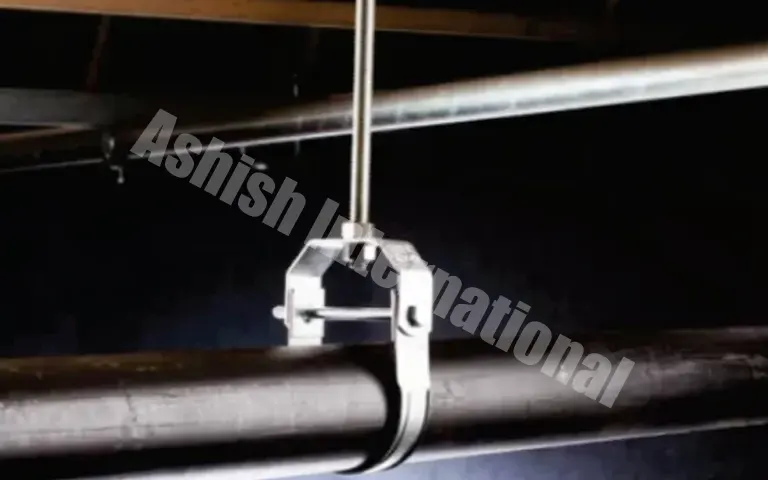
A clevis hanger is a U-shaped pipe support used to suspend and secure piping systems in HVAC, plumbing, and industrial installations. It retains strong lateral stability while permitting vertical movement brought on by thermal expansion. Understanding what is a clevis hanger is essential for engineers, contractors, and facility managers who need reliable pipe suspension systems for safe and efficient operation. This article explains what is a clevis hanger used for, explores clevis hanger types and sizes, discusses its role in HVAC and plumbing applications, and provides expert insight into how this simple component improves system reliability. Understanding What is a Clevis Hanger A clevis hanger has a curved lower strap that holds the pipe in place and a yoke-shaped top part with a threaded rod connector. The strap can be easily adjusted and installed because of the bolt that runs through both ends. The hanger can hold a pipe securely thanks to this design, which also permits some movement to account for expansion and contraction brought on by temperature changes. The clevis hanger pipe support is commonly used in both horizontal and vertical piping systems. It distributes the load evenly across the structure, preventing sagging, vibration, or strain on joints. The top connection is typically mounted to a beam or ceiling, making it one of the most versatile and cost-effective pipe support methods in use today. What is a Clevis Hanger Used For Clevis hangers are designed to support pipes carrying liquids, gases, or steam in mechanical, HVAC, and plumbing systems. They are used to suspend: Hot and cold water pipelines Fire protection systems Steam and condensate lines Industrial process pipelines Air ducts and mechanical conduits The hanger is particularly useful in lengthy pipe lengths where expansion and contraction happen often because it permits regulated vertical movement. Design and Components of a Clevis Hanger The typical clevis hanger assembly includes: Upper Yoke or Strap: Connects to a threaded rod or support structure. Lower U-Strap: Cradles the pipe securely. Connecting Bolt and Nut: Allows rotation and adjustment during installation. Depending on the load and environmental requirements, the hanger can be made from carbon steel, stainless steel, or galvanized materials. Modern systems often integrate additional components such as quick nut or speed nut fasteners for faster installation and maintenance. Clevis Hanger Types and Sizes The clevis hanger types and sizes are determined by the pipe diameter, load capacity, and service environment. Standard Clevis Hangers – Commonly used in general plumbing and HVAC systems for horizontal pipes. Adjustable Clevis Hanger – Allows height adjustment during installation, offering flexibility in tight or uneven spaces. Insulated Clevis Hanger – Fitted with a rubber or neoprene lining to minimize vibration and prevent metal-to-metal contact. Heavy-Duty Clevis Hanger – Designed for large-diameter industrial pipes with higher load requirements. The diameters usually vary from ½ inch to more than 24 inches. For the best support and stability, the hanger’s diameter must match the pipe’s outer diameter. Clevis Hanger Applications in HVAC and Plumbing The clevis hanger applications HVAC plumbing sectors are extensive due to the component’s versatility and load-bearing capabilities. HVAC Systems: Used for supporting chilled water, condenser water, and refrigerant piping while minimizing vibration and noise. Plumbing Installations: Provides support for water supply, drainage, and vent lines, ensuring correct slope and alignment. Industrial Facilities: Handles high-temperature steam lines and chemical transport systems. Fire Protection Networks: Ensures rigid suspension of sprinkler pipes. When integrated with fabricated steel structures, clevis hangers form part of a modular and durable support system that withstands mechanical stress and environmental exposure. Clevis Hanger Vertical Pipe Support While clevis hangers are primarily used for horizontal piping, they can also function as clevis hanger vertical pipe support in systems where pipes pass between multiple floors. They maintain alignment while supplying the necessary tension in these kinds of applications. Additional parts, like locking nuts or rod stiffeners, are utilized for vertical installations to stop undesired movement. Stability under both static and dynamic loads is guaranteed by this configuration. Adjustable Clevis Hanger for Complex Installations The adjustable clevis hanger design is particularly useful in situations where installation space is limited or where precise pipe alignment is required. The hanger height can be readily changed during setup thanks to an adjustable screw and threaded connection. When it comes to restoration projects or uneven ceiling structures, where it would be challenging to align fixed supports, contractors frequently favor this type. It offers long-term flexibility during maintenance or retrofits and shortens the installation time. Material and Coating Options Clevis hangers are available in multiple materials depending on load and environmental conditions: Material Description Typical Use Carbon Steel Strong and economical Indoor plumbing and HVAC Stainless Steel High corrosion resistance Outdoor, marine, and chemical environments Galvanized Steel Added rust protection Industrial and commercial buildings To improve corrosion resistance, hangers may also receive epoxy coatings, zinc plating, or powder finishes. When paired with self drilling screws, they create a robust mechanical assembly suitable for long-term service. Installation Guidelines for Clevis Hangers A correctly installed clevis hanger ensures optimal pipe alignment and prevents premature wear or system noise. Installation steps: Verify the correct hanger size for the pipe’s outer diameter. Secure the top connection to a structural beam or ceiling. Insert the threaded rod and adjust the hanger’s height. Slide the pipe into the saddle and tighten the connecting bolt. Confirm that the pipe can move slightly for thermal expansion. Using quality hardware such as clevis hanger fittings from reputable manufacturers guarantees stability and compliance with international standards. Performance Benefits Load Distribution: Spreads the pipe weight evenly, reducing stress on connections. Thermal Flexibility: Allows controlled movement due to temperature changes. Noise Reduction: When insulated, minimizes vibration and noise transfer. Easy Maintenance: Simple design allows quick inspection and adjustments. Durability: Coated or stainless options extend service life in harsh environments. Clevis hangers provide effective operation with low maintenance costs, making them essential components of sustainable building systems. Industry Standards and Specifications Clevis hangers are manufactured in accordance with international standards such as MSS
What is Threaded Rod
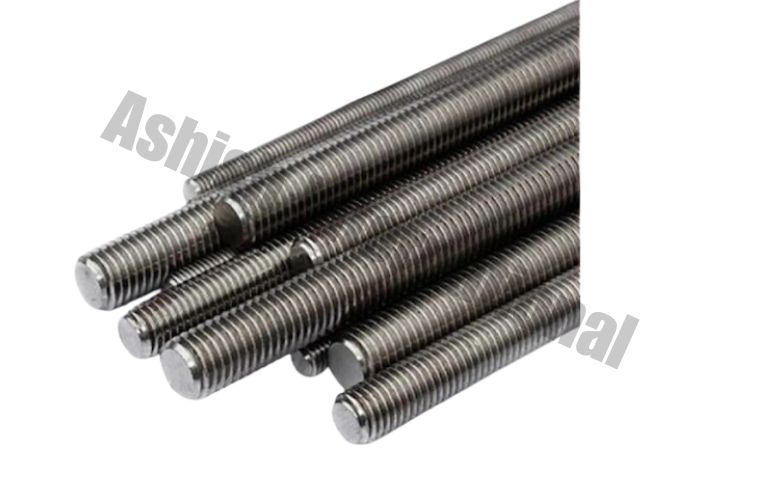
A threaded rod is a long metal fastener that provides strength, stability, and precision in construction, mechanical, and industrial applications. It functions like an extended bolt, featuring continuous threading that enables secure connections and adjustments. Understanding what is threaded rod is essential for engineers and contractors who require dependable fastening solutions for large-scale projects. This article explains the threaded rod definition and types, explores threaded rod material specifications, and discusses steel threaded rod grades and stainless steel threaded rod properties. It also highlights how to select the right rod for your application while linking to related solutions from Ashish Exports, a trusted manufacturer of premium fastening and support systems. Understanding What is a Threaded Rod A threaded rod—sometimes called a stud—is a metal bar threaded along its entire length or partially at both ends. This threading allows nuts, washers, and fasteners to be attached for assembling, reinforcing, or suspending components. Threaded rods are integral in mechanical assemblies, MEP systems, and fabrication projects, where precision and load-bearing capacity are critical. They offer exceptional tensile and compressive strength, making them suitable for both light-duty and heavy-duty structural tasks. Key features include: Continuous or partial threading Compatibility with standard nuts and washers Available in multiple diameters, lengths, and materials Capable of withstanding vibration and tension Threaded Rod Definition and Types The threaded rod definition and types vary based on structure and use. Different threading styles and material strengths are chosen depending on the project’s environmental conditions and load requirements. Fully Threaded Rod Fully threaded rods have continuous threading from end to end, providing maximum grip and versatility. These are often used in suspended ceiling systems, foundation supports, and industrial frameworks such as Unistrut Channel assemblies. Partially Threaded Rod Partially threaded rods have threading on only a portion of the length. This design improves shear strength, making them ideal for heavy structural connections or anchor systems. Double-Ended Threaded Rod Threaded on both ends with a smooth midsection, this type is common in equipment and automotive manufacturing where precise alignment is required. Left-Hand Threaded Rod These rods are designed with reverse threading for machinery that operates counterclockwise, ensuring the connection remains tight during motion. Metric and Imperial Threaded Rods Metric rods follow millimeter measurements, while imperial rods use inch-based sizing. The choice depends on regional engineering standards. Threaded Rod Material Specifications The threaded rod material specifications determine the rod’s strength, corrosion resistance, and application suitability. Materials are chosen based on environment, load, and cost considerations. Material Type Key Properties Common Uses Carbon Steel High tensile strength, economical, moderate rust resistance Building and construction frameworks Stainless Steel Corrosion-resistant, durable, non-magnetic Marine, food processing, and outdoor structures Zinc-Plated Steel Shiny finish, extra corrosion protection Indoor plumbing, HVAC, and MEP systems Brass and Aluminum Lightweight, corrosion-resistant, non-sparking Electrical and decorative uses Selecting the right material is crucial for long-term performance, especially when exposure to moisture or chemicals is involved. Steel Threaded Rod Grades Steel threaded rod grades identify the rod’s strength and heat treatment level. Each grade is suited to specific applications. Grade Tensile Strength (PSI) Typical Use Grade 2 74,000 Light-duty and general-purpose applications Grade 5 120,000 Medium-strength connections and automotive work Grade 8 150,000 Heavy machinery and structural fastenings A193 B7 125,000 High-temperature and high-pressure systems For outdoor or marine environments, stainless grades like A2-70 or A4-80 are preferred due to their superior corrosion resistance and tensile properties. Stainless Steel Threaded Rod Properties The stainless steel threaded rod properties make it one of the most reliable materials for long-term use. These rods provide superior resistance to oxidation, high strength, and minimal maintenance. Advantages include: Exceptional tensile strength for heavy loads Resistance to rust, chemicals, and high humidity Consistent performance in temperature extremes Non-magnetic and aesthetically clean finish Stainless steel threaded rods are often used in marine, construction, and clean-room environments where durability and hygiene are priorities. Manufacturing of Threaded Rods Threaded rods are produced through two main processes—thread rolling and thread cutting. Thread Rolling A cold-forming process where hardened rollers press threads into the material. This technique enhances the rod’s mechanical properties by aligning the grain structure, increasing fatigue resistance. Thread Cutting Machining is used to carve threads into the rod’s surface. It’s ideal for short runs and custom dimensions, especially for high-precision assemblies in fabricated components. Applications of Threaded Rods Threaded rods are incredibly versatile. They serve as a core fastening solution in numerous industries: Construction and Civil Engineering – Used for anchoring and reinforcement in concrete, beams, and roofing structures. Mechanical and Equipment Assembly – Provides stability and precise alignment for machines. Electrical and MEP Systems – Used to suspend ducts, pipes, and supports in complex installations. Fabrication Industry – Integral to fabricated steel products and custom manufacturing solutions. Renewable Energy Systems – Common in solar structures, similar to those used in mep support structure installations. Benefits of Using Threaded Rods Versatility: Compatible with nuts, washers, and support systems. Strength: Handles high tension and compression forces. Durability: Resistant to wear, corrosion, and mechanical stress. Customization: Easily cut to any desired length. Cost-Effectiveness: A long-term solution for both industrial and construction needs. Threaded rods also integrate seamlessly with other products such as threaded rod supports and Unistrut Channel fittings for modular installations. Choosing the Right Threaded Rod When selecting a threaded rod for your project, consider: Load-bearing requirements Environmental exposure (humidity, chemicals, or temperature) Thread size and compatibility Required tensile strength Coating or material grade For professional-grade options, explore Ashish Exports’ wide selection of high-quality threaded rods designed to meet international standards. Partner With Ashish Exports for Reliable Threaded Rod Solutions Ashish Exports stands as a global supplier of precision-engineered fastening and support products. From heavy-duty threaded rods to Unistrut Channel systems and fabricated steel products, each product is crafted to deliver strength, accuracy, and durability. Our expertise extends to complete industrial and MEP solutions, making us the preferred choice for engineers, contractors, and fabricators worldwide. Explore our comprehensive range, including fabricated components, to build safer, stronger, and smarter infrastructure. Frequently Asked Questions Q1.
Types of Clamps for Pipes
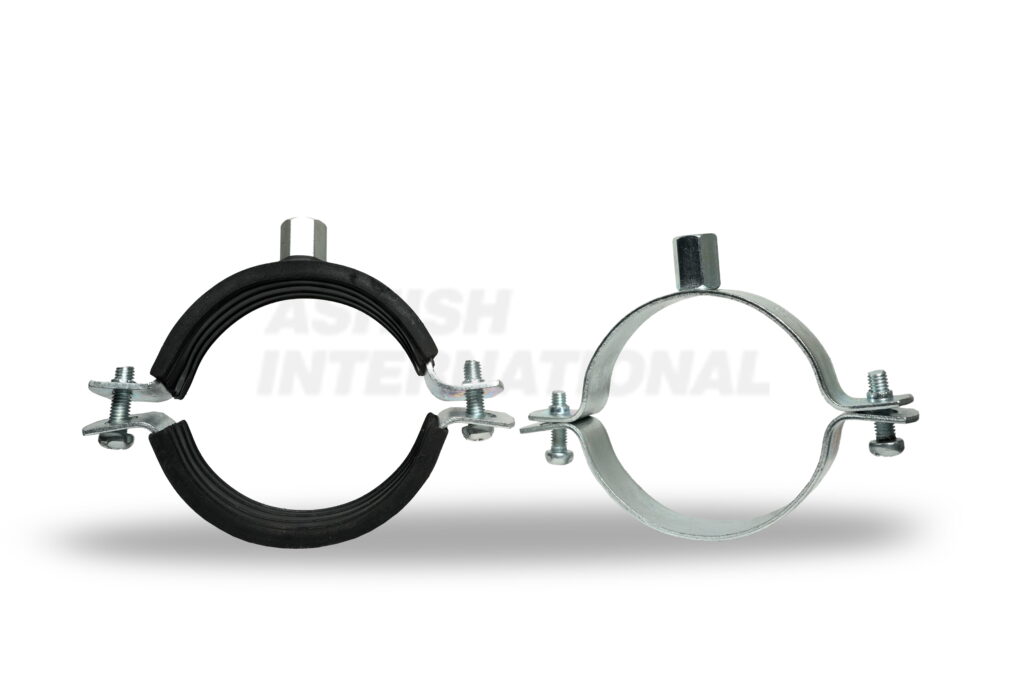
Choosing the right types of clamps for pipes is critical for ensuring safety, durability, and performance in any piping or industrial setup. Pipe clamps are fastening devices designed to hold and support pipes, preventing sagging, vibration, or unwanted movement. By understanding the different types of clamps for pipes, engineers, contractors, and project managers can select the most suitable options for plumbing, HVAC, mechanical, or solar applications. This guide explores the main types of clamps for pipes, their materials, applications, and selection factors — with expert solutions from Ashish Exports, a global manufacturer of strut fittings, pipe supports, and industrial hardware. What Are Pipe Clamps? Pipe clamps are mechanical supports that secure pipes to walls, ceilings, or structural frameworks. Their function is to absorb vibration, distribute weight evenly, and keep pipes aligned with minimal stress on joints. They are commonly used in: Plumbing and water distribution systems HVAC ducting and drainage lines Industrial process pipelines Electrical conduit support A standard pipe clamp typically includes a band, bolt, or bracket that wraps around the pipe and fastens to the structure. Depending on load and environment, they are made from steel, stainless steel, galvanized iron, or plastic. For systems built with strut channels or iron channels, clamps act as the primary holding components, providing stability and alignment throughout the installation. Classification of Pipe Clamps Pipe clamps can be categorized by material composition and intended application. Understanding both helps ensure correct selection for structural and environmental demands. 1. Based on Material Metal Pipe Clamps These are made from mild or galvanized steel and are ideal for heavy-duty applications such as industrial pipelines, HVAC installations, and structural systems. Stainless Steel Pipe Clamps These provide corrosion resistance and are commonly used in marine, chemical, and outdoor environments. When combined with cantilever arms or channel framing systems, these clamps form reliable modular supports that can handle varied load capacities. 2. Based on Application or Use Different systems require specific types of clamps for pipes based on pressure, diameter, and environmental conditions. Standard Pipe Clamps Used in residential plumbing and general mechanical setups for medium loads. U-Bolt Pipe Clamps Ideal for holding pipes horizontally against surfaces or beams. Their “U” shape provides strong grip and alignment. Learn more about their applications in how to use beam clamps. Saddle Pipe Clamps Provide uniform pressure across delicate or thin-walled pipes to prevent damage. Heavy-Duty Pipe Clamps Built for large-diameter or high-pressure pipes used in industrial, oil, gas, and solar projects. Insulated or Isophonic Clamps Feature rubber linings to minimize vibration and noise, ideal for HVAC systems and high-rise drainage networks. Each of these types of clamps for pipes ensures specific benefits depending on the load and installation environment. How to Choose the Right Clamp for Your Project Selecting the correct types of clamps for pipes involves several engineering and environmental considerations. The wrong choice can lead to vibration, leakage, or failure over time. 1. Pipe Diameter and Material Ensure the clamp matches the exact outer diameter of the pipe for a secure fit. 2. Load and Support Requirement Heavier pipes require steel or heavy-duty clamps with high tensile strength. 3. Environment and Temperature For outdoor or chemical-prone areas, choose stainless steel or coated clamps to resist corrosion. 4. Vibration and Noise Control In HVAC or water systems, opt for isophonic clamps with rubber linings. 5. Compatibility with Structure Use iron channels or cantilever arms that fit perfectly with clamp assemblies for added strength. Applications of Pipe Clamps Pipe clamps are widely used across multiple sectors due to their versatility and structural benefits. Construction & Plumbing: For securing water and gas lines in commercial and residential projects. HVAC Systems: For mounting ducts and reducing vibration through insulated clamps. Oil, Gas & Petrochemical Plants: Heavy-duty clamps support large-diameter pipelines under pressure. Solar Energy Installations: Used with solar structures for conduit management and support frameworks. Mechanical & Industrial Plants: Used in equipment piping and hydraulic systems for stability and longevity. By combining clamps with strut channels, engineers can build adjustable support systems that are strong, reusable, and easy to maintain. Why Quality Matters The quality of types of clamps for pipes directly impacts system integrity, cost efficiency, and long-term safety. Substandard materials can corrode, loosen, or fail under vibration. High-quality clamps, on the other hand: Maintain tight grip under load and temperature variations Resist corrosion and environmental wear Minimize downtime due to reduced maintenance Comply with global standards like ISO, ASTM, and DIN Ashish Exports – Trusted for Industrial Excellence For over 25 years, Ashish Exports has been a pioneer in manufacturing pipe clamps, brackets, and modular support systems under its FITSTRUTS® brand. Their range includes: Strut clamps and channel fittings Pipe hangers and riser clamps Clevis hangers, foundation bolts, and fasteners Every product is engineered to deliver precision, durability, and international quality compliance, supporting industries from construction to solar energy. Material Selection and Maintenance Tips To ensure optimal performance of your types of clamps for pipes, focus on proper material selection and upkeep: Material Guidelines Mild Steel: Strong and economical; suited for indoor use. Stainless Steel: Ideal for outdoor or corrosive environments. Galvanized Iron: Provides rust resistance and extended lifespan. PVC/Plastic: Light-duty, corrosion-proof, suitable for electrical conduits. Maintenance Tips Inspect clamps periodically for signs of wear or rust. Tighten connections but avoid over-torquing. Replace any damaged rubber liners. Clean regularly to prevent dust and corrosion buildup. When integrated into frameworks built using iron channels or strut channels, maintenance becomes easier and replacement faster. Partner With Us – Ashish Exports Selecting the correct types of clamps for pipes ensures safety, reliability, and long-term performance for your project. Partnering with a trusted manufacturer like Ashish Exports gives you the confidence of consistent quality, certified manufacturing, and global supply capability. Ashish Exports is an industry leader known for precision-engineered support systems and fittings used across construction, energy, and infrastructure sectors. With in-house design and quality testing, their products are built to perform under demanding environments. Frequently Asked Questions Q1. What are the most common
Types of Clamps for Pipes

Choosing the right types of clamps for pipes is critical for ensuring safety, durability, and performance in any piping or industrial setup. Pipe clamps are fastening devices designed to hold and support pipes, preventing sagging, vibration, or unwanted movement. By understanding the different types of clamps for pipes, engineers, contractors, and project managers can select the most suitable options for plumbing, HVAC, mechanical, or solar applications. This guide explores the main types of clamps for pipes, their materials, applications, and selection factors — with expert solutions from Ashish Exports, a global manufacturer of strut fittings, pipe supports, and industrial hardware. What Are Pipe Clamps? Pipe clamps are mechanical supports that secure pipes to walls, ceilings, or structural frameworks. Their function is to absorb vibration, distribute weight evenly, and keep pipes aligned with minimal stress on joints. They are commonly used in: Plumbing and water distribution systems HVAC ducting and drainage lines Industrial process pipelines Electrical conduit support A standard pipe clamp typically includes a band, bolt, or bracket that wraps around the pipe and fastens to the structure. Depending on load and environment, they are made from steel, stainless steel, galvanized iron, or plastic. For systems built with strut channels or iron channels, clamps act as the primary holding components, providing stability and alignment throughout the installation. Classification of Pipe Clamps Pipe clamps can be categorized by material composition and intended application. Understanding both helps ensure correct selection for structural and environmental demands. 1. Based on Material Metal Pipe Clamps These are made from mild or galvanized steel and are ideal for heavy-duty applications such as industrial pipelines, HVAC installations, and structural systems. Stainless Steel Pipe Clamps These provide corrosion resistance and are commonly used in marine, chemical, and outdoor environments. When combined with cantilever arms or channel framing systems, these clamps form reliable modular supports that can handle varied load capacities. 2. Based on Application or Use Different systems require specific types of clamps for pipes based on pressure, diameter, and environmental conditions. Standard Pipe Clamps Used in residential plumbing and general mechanical setups for medium loads. U-Bolt Pipe Clamps Ideal for holding pipes horizontally against surfaces or beams. Their “U” shape provides strong grip and alignment. Learn more about their applications in how to use beam clamps. Saddle Pipe Clamps Provide uniform pressure across delicate or thin-walled pipes to prevent damage. Heavy-Duty Pipe Clamps Built for large-diameter or high-pressure pipes used in industrial, oil, gas, and solar projects. Insulated or Isophonic Clamps Feature rubber linings to minimize vibration and noise, ideal for HVAC systems and high-rise drainage networks. Each of these types of clamps for pipes ensures specific benefits depending on the load and installation environment. How to Choose the Right Clamp for Your Project Selecting the correct types of clamps for pipes involves several engineering and environmental considerations. The wrong choice can lead to vibration, leakage, or failure over time. 1. Pipe Diameter and Material Ensure the clamp matches the exact outer diameter of the pipe for a secure fit. 2. Load and Support Requirement Heavier pipes require steel or heavy-duty clamps with high tensile strength. 3. Environment and Temperature For outdoor or chemical-prone areas, choose stainless steel or coated clamps to resist corrosion. 4. Vibration and Noise Control In HVAC or water systems, opt for isophonic clamps with rubber linings. 5. Compatibility with Structure Use iron channels or cantilever arms that fit perfectly with clamp assemblies for added strength. Applications of Pipe Clamps Pipe clamps are widely used across multiple sectors due to their versatility and structural benefits. Construction & Plumbing: For securing water and gas lines in commercial and residential projects. HVAC Systems: For mounting ducts and reducing vibration through insulated clamps. Oil, Gas & Petrochemical Plants: Heavy-duty clamps support large-diameter pipelines under pressure. Solar Energy Installations: Used with solar structures for conduit management and support frameworks. Mechanical & Industrial Plants: Used in equipment piping and hydraulic systems for stability and longevity. By combining clamps with strut channels, engineers can build adjustable support systems that are strong, reusable, and easy to maintain. Why Quality Matters The quality of types of clamps for pipes directly impacts system integrity, cost efficiency, and long-term safety. Substandard materials can corrode, loosen, or fail under vibration. High-quality clamps, on the other hand: Maintain tight grip under load and temperature variations Resist corrosion and environmental wear Minimize downtime due to reduced maintenance Comply with global standards like ISO, ASTM, and DIN Ashish Exports – Trusted for Industrial Excellence For over 25 years, Ashish Exports has been a pioneer in manufacturing pipe clamps, brackets, and modular support systems under its FITSTRUTS® brand. Their range includes: Strut clamps and channel fittings Pipe hangers and riser clamps Clevis hangers, foundation bolts, and fasteners Every product is engineered to deliver precision, durability, and international quality compliance, supporting industries from construction to solar energy. Material Selection and Maintenance Tips To ensure optimal performance of your types of clamps for pipes, focus on proper material selection and upkeep: Material Guidelines Mild Steel: Strong and economical; suited for indoor use. Stainless Steel: Ideal for outdoor or corrosive environments. Galvanized Iron: Provides rust resistance and extended lifespan. PVC/Plastic: Light-duty, corrosion-proof, suitable for electrical conduits. Maintenance Tips Inspect clamps periodically for signs of wear or rust. Tighten connections but avoid over-torquing. Replace any damaged rubber liners. Clean regularly to prevent dust and corrosion buildup. When integrated into frameworks built using iron channels or strut channels, maintenance becomes easier and replacement faster. Partner With Us – Ashish Exports Selecting the correct types of clamps for pipes ensures safety, reliability, and long-term performance for your project. Partnering with a trusted manufacturer like Ashish Exports gives you the confidence of consistent quality, certified manufacturing, and global supply capability. Ashish Exports is an industry leader known for precision-engineered support systems and fittings used across construction, energy, and infrastructure sectors. With in-house design and quality testing, their products are built to perform under demanding environments. Frequently Asked Questions Q1. What are the most common
How to Use Strut Channel
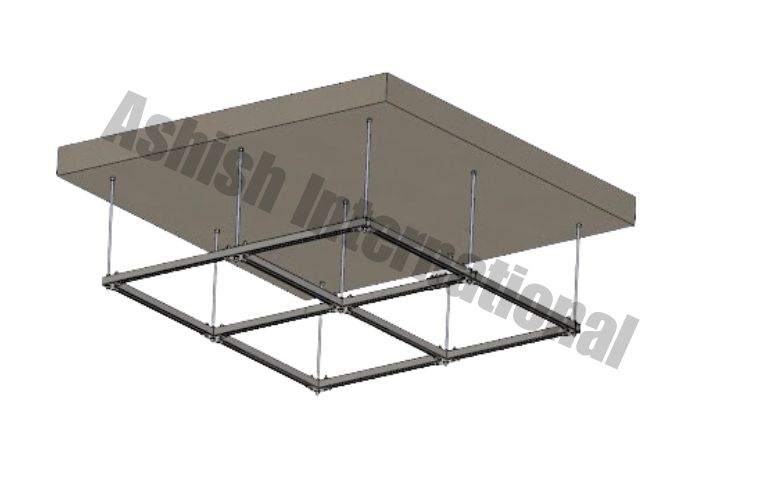
If you’re searching for a clear, practical explanation of how to use strut channel, this guide gives you the answer right away. Strut channels are an essential part of modern construction and industrial systems, providing strong, modular support for pipes, wiring, HVAC ducts, and solar panel structures. In this guide, you’ll learn everything about how to use strut channel — from choosing the right type to mounting, testing its strength, and understanding how much weight it can safely support. Whether you’re an installer, engineer, or DIY enthusiast, this guide will help you create stable, professional-grade support systems with confidence. What Is a Strut Channel and Why It’s Important A strut channel is a U-shaped metal framing system made from steel, stainless steel, or aluminum, designed to hold pipes, cables, and other mechanical components securely in place. It allows for quick assembly using bolts, nuts, and fittings without welding — making installation fast, adjustable, and clean. Why Professionals Prefer Strut Channels: Easy to install and reposition Reduces the need for welding or cutting Strong and long-lasting Corrosion-resistant with finishes like hot-dip galvanization Cost-effective and reusable Understanding these basics is the first step toward mastering how to use strut channel in any industrial or commercial project. Different Types and Their Best Uses Before learning how to use strut channel, it’s important to recognize the main types available: Solid Channel: A plain, un-slotted design offering maximum strength for permanent installations such as wall-mounted equipment or enclosed indoor systems. Short-Slotted Channel: Includes evenly spaced short slots for easy alignment and adjustable mounting — great for electrical and plumbing applications. Long-Slotted Channel: Provides extended slots that allow flexible spacing between bolts — perfect for hanging or ceiling-mounted systems. Back-to-Back Channel: Two channels welded together for added rigidity and load capacity, ideal for heavy-duty setups like solar or industrial framing. Each type serves a specific structural purpose, and the right choice ensures you know precisely how strong is strut channel for your intended application. How to Use Strut Channel: Step-by-Step Guide Planning the Layout The first step in learning how to use strut channel is precise planning. Identify where the supports will go and ensure the mounting surface can bear the total weight. Use a level and measuring tape to mark your alignment points accurately. Pro Tip: Keep spacing consistent to distribute loads evenly and prevent deflection. Cutting the Channel Measure your required lengths and cut the channel with a hacksaw or electric cutter. File down sharp edges to maintain safety and a professional finish. Mounting the Strut Channel Here’s how to mount strut channel securely: Align the channel with your markings on the surface. Drill holes for your anchor bolts. Attach the channel using suitable fasteners or expansion anchors. Double-check the alignment before tightening. For ceiling installations, suspend the channel using threaded rods or clevis hangers for stability. Once fixed, your frame is ready for accessories and fittings. Attaching Components Slide channel nuts into the slot and rotate them 90° to lock. For ease, you can also use quick nuts. Then add brackets, clamps, or fixtures. This modular assembly allows flexible configurations without permanent welding or cutting. Testing the Setup After assembly, apply gradual weight to ensure the structure remains stable. Tighten all bolts securely and check for any unwanted movement. Proper load testing is essential in mastering how to use strut channel correctly. Understanding Load Capacity One of the most frequently asked questions is how much weight can strut channel support. The answer depends on material, thickness, and installation method. For instance: A 41×21 mm mild steel channel can typically hold around 200–250 kg per meter. A 41×41 mm solid channel may support up to 600 kg per meter. A back-to-back 41×41 mm galvanized channel can handle 700–1000 kg per meter under ideal conditions. These values may vary, so always refer to manufacturer load charts. Key Factors Affecting Weight Capacity: Channel thickness and steel grade Distance between supports Load type (static or dynamic) Quality of fittings and anchors Knowing how much weight can strut channel support ensures your project meets both safety and engineering standards. Evaluating Strut Channel Strength When evaluating how strong is strut channel, three aspects come into play: Material Composition – Mild steel and stainless steel provide excellent tensile and compressive strength. Profile Design – The U-shaped section offers high rigidity and distributes weight efficiently. Mounting Technique – A properly secured channel with quality fittings will carry much greater loads than a loosely anchored system. The combination of geometry and material is what makes strut channels remarkably dependable. When installed correctly, they can withstand heavy weights and vibrations while maintaining alignment and safety. Professional Installation Tips Once you know how to use strut channel, these professional techniques help you achieve long-term reliability: Reinforce Heavy Loads: Use double channels or additional brackets for large systems. Avoid Over-Tightening: Excess pressure on bolts can damage threads or deform the metal. Apply Protective Coating: Galvanized or stainless finishes protect against corrosion in outdoor or humid conditions. Maintain Proper Spacing: Keep supports evenly spaced for balanced weight distribution. Inspect Regularly: Periodically check bolts, fittings, and joints for signs of stress or rust. These practices enhance both the performance and lifespan of your installation. Practical Applications of Strut Channels Strut channels are used in virtually every field that requires modular, durable support systems. Understanding how to use strut channel across these applications will expand your project options: HVAC Systems: Supporting air ducts and ventilation units. Electrical Installations: Holding cable trays and conduit systems. Solar Energy: Framing for solar panels and racking structures. Industrial Plants: Mounting heavy machinery and safety guards. Plumbing: Supporting multiple pipe lines with clamps and brackets. Their flexibility makes them a go-to solution for fast, efficient, and adjustable assemblies. Maintenance and Safety Guidelines A well-maintained installation not only lasts longer but performs better. Here’s how to care for your setup once you’ve learned how to use strut channel properly: Clean dust
What is Beam Clamp?

If you are wondering what is beam clamp and why it is so widely used in construction and industrial applications, this guide will answer all your questions. Simply put, a beam clamp is a mechanical device used to attach loads securely to steel beams without the need for drilling, welding, or permanent modifications. It provides a safe and reliable support point for lifting equipment, piping, cable trays, and other essential installations. Beam clamps are critical in MEP (Mechanical, Electrical, Plumbing) systems, construction scaffolding, factories, and warehouses, offering both safety and efficiency. For professionals working with Unistrut channel systems, knowing how to use unistrut beam clamp ensures proper installation and stability of supported structures. This comprehensive guide covers what is beam clamp, its types, applications, installation procedures, safety tips, and factors to consider before purchasing. By the end, you will understand how to select the right beam clamp, install it correctly, and why sourcing from a trusted manufacturer like Ashish International can guarantee quality and durability. What is a Beam Clamp? A beam clamp is a device designed to fasten loads directly to structural beams such as steel I-beams, H-beams, or girders. Unlike welding or bolting, a beam clamp provides a non-invasive, safe, and temporary or permanent attachment. Understanding what is beam clamp is essential for engineers, contractors, and facility managers, as it forms the basis for safe load support in a wide range of industrial and construction environments. In modular systems, strut clamps and channel pipe clamps are often used alongside beam clamps to secure pipes and conduits efficiently. Key Features of Beam Clamps Made of high-strength steel, often galvanized or stainless steel for corrosion resistance Designed to handle various load capacities, from hundreds of kilograms to several tons Can be fixed or adjustable, depending on beam size and project requirements Provides a secure attachment point for hoists, pipes, cable trays, ducting, and other MEP installations Why Beam Clamps Are Essential Quick and simple to install, saving time on-site Adjustable to different beam sizes without structural modifications Non-invasive installation ensures beam integrity is maintained Reusable, offering cost-effective solutions across multiple projects When asking what is beam clamp, it’s important to note that it is not just a piece of hardware but a solution that improves both safety and efficiency in industrial and construction settings. Applications of Beam Clamps Understanding what is beam clamp becomes clearer when looking at its applications. Beam clamps are highly versatile and serve multiple industries: Construction Securing scaffolding and temporary platforms Supporting hoists and lifting equipment for material handling Providing temporary or semi-permanent load points MEP Installations Supporting electrical conduits, cable trays, and piping systems Integrated with Unistrut channels for modular and flexible installation Ensuring precise alignment and stable load distribution Industrial Settings Factories and warehouses use beam clamps to support machinery and overhead equipment Provides reliable attachment points for cranes, hoists, and lifting operations Reduces downtime by enabling faster installation compared to welding Professionals often ask what is beam clamp when planning projects because it offers both flexibility and reliability for diverse load-support scenarios. Types of Beam Clamps Beam clamps come in several types, each designed for a specific application: Fixed Beam Clamps Provide permanent support to a beam Ideal for heavy industrial loads High load-bearing capacity ensures safety under static conditions Adjustable Beam Clamps Fit various beam sizes, offering flexibility Suitable for projects with non-uniform beams Can be repositioned easily if project requirements change Unistrut Beam Clamps Specifically made for integration with Unistrut channels Allows modular installation of piping, cable trays, or ducts Supports adjustable and customizable configurations Lifting Beam Clamps Engineered to safely carry dynamic loads using hoists or cranes Essential for material handling in warehouses or construction sites Can be used temporarily or permanently depending on the project Learning what is beam clamp in the context of these types ensures that you select the right solution for your needs. How to Use a Beam Clamp Safely Safety is a primary concern when using beam clamps. Follow these detailed steps to ensure proper usage: Select the Correct Clamp – Match the clamp’s load rating with your project requirements. Inspect the Beam – Ensure the beam is free from rust, cracks, or damage. Position the Clamp Properly – Align it along the flange of the beam for maximum support. Tighten Securely – Use the recommended tools and torque levels. Double-Check the Installation – Verify that the clamp is fully seated and the locking mechanism engaged. Regular Maintenance – Inspect clamps periodically for wear, corrosion, or deformation. Safety Standards to Follow: OSHA guidelines for workplace safety BS EN standards for structural support IS standards for industrial equipment Using beam clamps correctly helps reduce accidents and improves efficiency, which is why understanding what is beam clamp is essential for any project. How to Use Unistrut Beam Clamp (Step-by-Step) For those working with modular Unistrut systems, knowing how to use unistrut beam clamp is critical: Select the Right Size – Ensure the clamp fits both the beam and Unistrut channel properly. Insert into Unistrut Channel – Slide the clamp into the channel, ensuring it aligns correctly. Tighten and Secure – Use the appropriate wrench to lock the clamp in place. Check Alignment and Safety – Confirm the supported load is stable and evenly distributed. Example Use Case: Supporting a heavy cable tray in a commercial facility. Correct installation of a Unistrut beam clamp prevents sagging and ensures long-term stability. Knowing how to use unistrut beam clamp enhances both safety and operational efficiency. Factors to Consider Before Choosing a Beam Clamp Before purchasing a beam clamp, it is crucial to evaluate: Load Capacity – Ensure the clamp can safely support the intended weight. Beam Size Compatibility – Select a clamp that fits the flange thickness and width. Material Strength and Corrosion Resistance – Choose galvanized or stainless steel for durability. Environmental Conditions – Consider temperature, moisture, or chemical exposure. Manufacturer Reliability – Trusted suppliers like Ashish International provide certified, high-quality products. By understanding what is beam clamp
Washer Manufacturers In India

Best Washer Manufacturers in India (2025 Comprehensive Guide) Finding reliable washer manufacturers in India is essential for businesses and industries that depend on high-quality fasteners for structural safety, machinery performance, and long-lasting installations. Washers may seem like small components, but their role is critical—they distribute load, prevent bolt loosening, protect surfaces, and enhance the stability of mechanical and structural assemblies. In this guide, we highlight the leading washer manufacturers in India for 2025, helping you make informed decisions for your industrial and commercial needs. With industrial growth in construction, automotive, renewable energy, and heavy machinery, sourcing from trusted washer manufacturers in India ensures access to durable products, timely deliveries, and cost-effective solutions. From screw washer types like plain, spring, and locking washers to high-strength hardened washers, Indian manufacturers provide a wide range of products that meet global standards. This guide covers different screw washer types, the top washer manufacturers in India, and key tips for selecting the right supplier for your requirements. What Are Washers and Why They Matter? Washers are circular, flat components designed to sit between a fastener and the surface it secures. Their primary function is to distribute load, preventing surface damage and reducing stress on bolts, screws, or nuts. Although small, washers play a critical role in safety, mechanical efficiency, and long-term durability. Choosing the right washer manufacturers in India ensures that businesses receive high-quality washers suited for their specific applications. Applications of Washers: Automotive: Engine assemblies, suspension systems, and braking mechanisms Construction: Structural steel, bridges, building frameworks, HVAC installations, and iron channels Railways: Track fastenings, couplers, and structural joints Renewable Energy: Solar mounting structures and wind turbine assemblies Heavy Machinery: Industrial equipment, press machines, and load-bearing tools Indian industries increasingly rely on washer manufacturers in India that provide premium-quality products, including different screw washer types like plain, spring, locking, DTI, and hardened washers. These washers help improve joint strength, prevent loosening under vibrations, and maintain long-term structural integrity. Different Screw Washer Types Understanding screw washer types is crucial for selecting the right washer for your project. Different washers serve different purposes, and selecting the correct type ensures safety, durability, and cost-effectiveness. Leading washer manufacturers in India provide a wide range of these washers to suit industrial, automotive, and construction applications. Common Screw Washer Types and Their Uses: Plain (Flat) Washers Distribute load evenly, preventing damage to the surface Commonly used in automotive, railways, and construction projects Materials: Steel, stainless steel, brass, nylon Spring Lock Washers Designed to resist loosening under vibration Ideal for machinery, engines, and equipment subject to dynamic loads Materials: Steel, zinc-plated steel, stainless steel Locking Washers Provides anti-rotation support to fasteners Prevents nuts and bolts from loosening in high-stress conditions Materials: Hardened steel, alloy steel DTI (Direct Tension Indicator) Washers Indicates proper preload in structural applications Ensures safe installation of structural bolts Materials: Steel, stainless steel Hardened Steel Washers Suitable for heavy-duty applications and high-tensile operations Used in construction, railways, and industrial machinery Materials: Hardened steel, alloy steel By understanding the properties and applications of these screw washer types, businesses can select the right washer for optimal performance. Leading washer manufacturers in India provide multiple options and custom solutions to meet diverse industrial requirements. Top 10 Washer Manufacturers in India (2025 Updated List) India has become a hub for premium-quality fasteners and washers, with numerous companies providing innovative solutions for industrial, automotive, and construction sectors. Here is the updated list of top washer manufacturers in India, starting with the market leader. 1. Ashish International – Ludhiana, Punjab Ashish International is recognized as the premier washer manufacturer in India, with over 25 years of experience in manufacturing industrial fasteners, washers, foundation bolts, pipe clamps, and strut brackets. Key Features: Offers fast and cost-effective lead times OEM/ODM capabilities aligned with global standards Personalized customer support and after-sales services Supplies for construction, solar energy, and infrastructure projects 2. Bigboltnut – Sonipat, Haryana ISO 9001 certified, specializing in large-diameter bolts, nuts, and washers Strong focus on wind energy fasteners and custom washer grades Provides a wide range of screw washer types including standard, HV, spring, and chamfered washers 3. Pankaj International – Ludhiana, Punjab Nearly 30 years of manufacturing expertise Produces screw washer types such as spring lock, plain, DTI, and hardened steel washers Serves railways, oil & gas, construction, and automotive industries 4. TradeIndia Network (Top Suppliers Directory) Comprehensive platform showcasing multiple washer manufacturers in India Provides verified supplier listings and a wide range of washer materials and types 5. Caliber Fasteners – Mumbai, Maharashtra Known for precision washers and nuts Strong export presence and R&D-backed global solutions 6. Dwarka Metal Corporation – Mumbai Specializes in stainless steel washers Strong domestic and international client base Supplies infrastructure and industrial projects 7. Kingdom Industrial Corporation – Ludhiana ISO 9001:2015 certified Manufactures washers, stud bolts, hex bolts, and customized fastener solutions 8. Shri Bhagwati Steels – Global Supplier Offers over 500 product categories including washers, pipes, and channels Trusted supplier for major companies like Jindal Stainless and Apollo 9. Kova Fasteners Pvt Ltd – Ludhiana High-quality washers, bolts, and screws Strong packaging, domestic, and international export operations 10. Sundaram Fasteners Ltd – Chennai Prominent in automotive, aerospace, and infrastructure industries Known for high-precision fasteners and global presence These companies are leading washer manufacturers in India, providing high-quality products, a wide range of screw washer types, and excellent customer support. Key Factors to Consider When Choosing a Washer Manufacturer Choosing the right washer manufacturer in India requires careful evaluation. Here are the essential factors: Certifications & Quality Standards – Look for ISO, ASTM, or DIN-certified manufacturers Range of Products & Customization – Ability to provide multiple screw washer types Pricing vs Durability – Ensure competitive pricing without compromising product quality Delivery Timelines & After-Sales Support – Reliable suppliers provide timely deliveries and ongoing support Industry Reputation & Global Presence – Established manufacturers are more dependable for bulk or customized orders Selecting the right manufacturer ensures optimal performance, long-term reliability, and cost-effectiveness.
Spring Washer Use

Spring Washer Use: Purpose, Benefits, and Applications Small components in mechanical assemblies often go unnoticed, but their impact on reliability, safety, and longevity is immense. One such essential component is the spring washer. If you are looking to understand spring washer use, this article will guide you through its purpose, correct installation, benefits, and practical applications. A spring washer ensures that bolts and nuts remain tight even under vibrations, shocks, or thermal expansion. Correct spring washer use can prevent machinery failure, reduce maintenance costs, and improve the overall performance of mechanical systems. Whether you are an engineer, technician, or hobbyist, knowing how to select and use spring washers properly is crucial for high-quality assemblies. In this comprehensive guide, we will explore all aspects of spring washer use, including types, step-by-step installation, mistakes to avoid, and real-world applications. What is a Spring Washer? A spring washer is a specialized mechanical component designed to provide tension in bolted assemblies. Unlike standard flat washers, spring washers actively resist loosening caused by vibration, shock, or rotational forces. They are usually disc-shaped with a slightly curved or split design, allowing them to maintain constant pressure on fasteners. Types of Spring Washers and Their Features Belleville Washer: Conical shape, provides high load-bearing capacity, ideal for industrial machinery. Split Lock Washer: A ring split at one point, designed to bite into the bolt and substrate to prevent rotation under vibration. Wave Washer: Wavy-shaped, flexible, commonly used in light machinery and electronic appliances to absorb minor shocks. Custom Washers: Tailored for specific torque, load, or environmental conditions such as corrosion resistance. For related components used in mechanical assemblies, you can also explore strut channel, iron channel, cantilever arms, and solar structure solutions. Correct spring washer use starts with selecting the appropriate type according to the load and environment of your application. Each type has unique properties that make it suitable for specific tasks. Why Spring Washers Are Important The importance of spring washer use cannot be overstated. Bolted assemblies are often exposed to vibration, thermal expansion, and heavy loads, which can loosen fasteners over time. Here’s why spring washers are crucial: Prevent Loosening: Spring washers maintain tension and prevent bolts and nuts from loosening in high-vibration environments. Distribute Load: They help distribute the pressure evenly across the surface, reducing stress on the assembly. Absorb Shock: Spring washers act as a buffer, absorbing shocks and minimizing damage in dynamic applications. Enhance Safety: By keeping fasteners tight, they prevent accidents and failures in critical machinery. Industries where spring washer use is essential include automotive, aerospace, heavy machinery, construction, oil & gas, and electrical systems. Proper implementation ensures the longevity and reliability of mechanical assemblies. Related fastening components such as strut clamps, channel pipe clamps, and beam clamps are often used together for stability. Spring Washer Use: Step-by-Step Guide Understanding spring washer use requires proper installation. Follow these steps to maximize effectiveness: Positioning: Place the spring washer under the bolt head or nut. Ensure it sits flat against the surface to provide the right tension. Orientation: Correct orientation is vital. For split and wave washers, the concave or convex side should face the fastener as recommended by the manufacturer. Belleville washers usually have the concave side up. Tightening: Use the correct torque when tightening the fastener. Over-tightening can reduce elasticity, while under-tightening can compromise performance. Inspection: After installation, check that the spring washer is correctly seated and providing tension. Regular inspections ensure continued effectiveness. Correct spring washer use enhances bolt stability, reduces maintenance, and ensures the safety of the assembly. Types of Spring Washers and Their Uses Each type of spring washer is designed for specific applications. Understanding these differences ensures proper spring washer use: Belleville Washers: High load-bearing capacity, ideal for industrial presses, heavy machinery, and large-scale mechanical assemblies. Split Lock Washers: Common in automotive and construction applications, they prevent loosening under vibration or rotational forces. Wave Washers: Flexible and lightweight, suitable for electronic appliances, light machinery, and assemblies requiring minor shock absorption. Custom Washers: Designed for specialized conditions such as corrosion resistance, extreme temperatures, or specific torque requirements. Selecting the right washer type is the first step in ensuring correct spring washer use in any application. Common Mistakes to Avoid in Spring Washer Use Even a small mistake can compromise the effectiveness of spring washer use. Avoid these common errors: Over-tightening: Excess torque can flatten the washer, reducing elasticity and compromising tension. Using the wrong material: For example, standard steel in a marine environment will corrode quickly; stainless steel is preferable. Reusing old washers: Once compressed or fatigued, washers lose their effectiveness. Incorrect orientation: Improper placement reduces the washer’s ability to prevent loosening. Ignoring environmental factors: Temperature extremes, chemical exposure, or high-vibration conditions require special washer selection. Correct spring washer use involves attention to detail during installation, material selection, and maintenance. Comparing Spring Washer vs Flat Washer Understanding the difference between spring washers and flat washers highlights why spring washer use is critical: Flat Washer: Distributes load evenly but does not prevent loosening or absorb shocks. Spring Washer: Distributes load, prevents loosening, and absorbs minor shocks. Recommendation: In critical applications, using both a flat washer and a spring washer together enhances stability and performance. Proper spring washer use ensures mechanical reliability where flat washers alone would be insufficient. Benefits of Choosing the Right Spring Washer Implementing correct spring washer use offers several advantages: Enhanced Reliability: Bolts remain tight, even in high-vibration environments. Reduced Maintenance Costs: Less frequent tightening and inspection. Increased Safety: Prevents mechanical failures in critical machinery. Extended Longevity: Maintains assembly integrity over long periods. Optimized Performance: Ensures equipment operates at peak efficiency. Using the right washer type and material ensures optimal spring washer use in every assembly. Applications of Spring Washers The practical applications of spring washer use span multiple industries: Automotive Assemblies: Engine mounts, suspension systems, and drivetrain components. Aerospace & Defense: Aircraft fasteners, missiles, and defense equipment. Industrial Machinery: Presses, conveyor systems, and hydraulic equipment.
Types of Screws

The Ultimate Guide to Types of Screws: Applications, Selection, and Uses Screws are one of the most essential tools in construction, manufacturing, furniture making, and DIY projects. Understanding the types of screws is crucial for anyone who wants strong, durable, and secure fastening. Choosing the wrong screw can lead to weak joints, structural failures, or damaged materials. In this guide, we will explore the different types of screws, their specific applications, and how to select the right screw for every project. Whether you are a professional contractor, engineer, or DIY enthusiast, knowing the screws types ensures safety, efficiency, and longevity in every project. By the end of this article, you will have a complete understanding of types of screws, their benefits, and how to make the right choice for any material or task. What Are Screws and Why Do They Matter? A screw is a mechanical fastener with a threaded shaft that allows it to secure materials together tightly. Unlike nails, screws provide superior holding power because the threads bite into the material and prevent loosening over time. Understanding the types of screws is vital for ensuring that each fastening task is performed safely and efficiently. Key Components of a Screw: Head: The top part of the screw, which can be flat, round, countersunk, or hexagonal, and determines the type of tool needed for driving it. Thread: The spiraled ridge along the screw shaft that grips the material and provides holding power. Tip: The pointed or blunt end that penetrates the material and determines whether pre-drilling is needed. Screws are made from various materials, including steel, stainless steel, brass, and alloys, and are designed for different applications. Knowing the different types of screws and their material compatibility helps prevent material damage and increases the durability of the project. For applications involving structural supports, you may also need components like strut channels or iron channels for added stability. Types of Screws (Comprehensive Guide) Understanding the types of screws is essential for ensuring the right fastening solution for every project. Each screw is designed with specific materials, threads, and head types to perform optimally in different applications. Choosing the wrong type of screw can result in weak joints, damaged surfaces, or reduced durability. Here is a detailed overview of the most common types of screws: Wood Screws Wood screws are designed to join pieces of wood together securely. They feature coarse threads and a tapered shaft that allows for strong gripping without splitting the wood. Wood screws come in various lengths and diameters to suit thin panels, hardwood, or softwood. They are commonly used in furniture, cabinets, doors, and carpentry projects. For outdoor wood applications, corrosion-resistant coatings or stainless steel wood screws are recommended. Wood projects often use accessories like cantilever arms and solar structures to enhance durability. Machine Screws Machine screws are uniform in diameter and thread, making them suitable for use with nuts or pre-tapped holes in metal. They are widely used in machinery, electrical appliances, automotive components, and industrial equipment. Machine screws often come in flat, pan, or round heads and can be tightened with a screwdriver or wrench, depending on the head type. Supporting components like strut clamps or channel pipe clamps are often used alongside machine screws for mechanical assemblies. Sheet Metal Screws Sheet metal screws are designed to secure thin metal sheets and can also be used with plastic or wood. They have sharp threads that dig into the material for a strong hold. These screws are ideal for HVAC systems, metal roofing, ductwork, and other applications where metal fastening is required. Self-tapping sheet metal screws save time by creating threads as they are driven in. Drywall Screws Drywall screws are lightweight and specifically designed for fastening drywall panels to wooden or metal studs. They feature a bugle-shaped head that prevents tearing the paper surface of the drywall. Drywall screws are available in coarse or fine threads, with coarse threads suitable for wood studs and fine threads for metal studs. They are an essential part of interior construction and renovation projects. Concrete Screws Concrete screws are engineered for use in masonry, brick, or concrete. They provide a secure hold in hard materials and are often used for mounting electrical boxes, shelves, and fixtures to concrete walls. Pre-drilling with a masonry bit is usually required. Concrete screws are often coated to resist corrosion, ensuring long-term durability in indoor or outdoor environments. Deck Screws Deck screws are treated to resist corrosion, making them ideal for outdoor projects like decks, patios, fences, and garden structures. They often feature a star or flat head for better torque and a smooth finish that reduces splitting in wood. Many deck screws are coated to prevent rust and withstand exposure to moisture and sunlight, ensuring outdoor projects remain strong over time. Lag Screws Lag screws are heavy-duty fasteners used for structural applications. They are ideal for securing heavy timber, beams, and large assemblies. Lag screws are typically tightened with a wrench or socket and provide exceptional holding power. They are used in construction, outdoor decks, large furniture, and applications that require superior strength and stability. Self-Drilling Screws Self-drilling screws are equipped with a drill-like tip, allowing them to penetrate materials without pre-drilling. They are commonly used in industrial and construction applications where speed and efficiency are important. These screws are widely used in metal fabrication, HVAC systems, and building assemblies where a secure and fast connection is required. Self-Tapping Screws Self-tapping screws create their own threads as they are driven into materials, eliminating the need for pre-drilled holes in many applications. They are used in metal, plastic, and wood. Self-tapping screws save time during assembly and are particularly useful in situations where repeated fastening or maintenance may be required. Roofing Screws Roofing screws are designed for securing metal roofing panels, shingles, and other roofing materials. They often feature washers or sealing components to prevent water penetration. Corrosion-resistant coatings make them ideal for long-term outdoor exposure. Roofing screws are used in
Anchor Bolt Types

Anchor Bolt Types: A Complete Guide for Construction & Industrial Applications Anchor bolts are a critical component in construction and industrial projects, providing the necessary stability and safety for structural elements. Choosing the right anchor bolt types ensures that steel frameworks, machinery, and concrete structures remain secure under heavy loads. In the first 50 words, it is essential to know that anchor bolt types help in anchoring structural elements firmly to foundations, preventing movement, and ensuring long-term durability in construction and industrial applications. With a wide variety of anchor bolt types available, understanding their uses, materials, and installation methods is essential for engineers, contractors, and builders. In this guide, we will explore the different anchor bolt types, their applications, advantages, and how to choose the most suitable type for your project. What Are Anchor Bolts? Anchor bolts are specialized fasteners designed to secure structural elements such as steel beams, machinery, and concrete columns to solid foundations. Unlike standard bolts, anchor bolt types are specifically engineered to withstand heavy loads, resist vibration, and provide long-term stability. They are critical for ensuring that buildings, bridges, industrial equipment, and infrastructure remain safe and functional over time. Some key points about anchor bolts: Anchor bolts are used to transfer structural loads safely to concrete or masonry foundations. They differ from standard bolts because of their shape, installation method, and holding capacity. Using the right anchor bolt types ensures safety, durability, and compliance with international construction standards. Whether you are constructing residential buildings, industrial facilities, or large infrastructure projects, knowing the different anchor bolt types is essential for successful implementation. For projects requiring steel frameworks, components like strut channels and iron channels are often used alongside anchor bolts for additional structural stability. Major Anchor Bolt Types and Their Applications Choosing the right anchor bolt types is critical for ensuring the stability and safety of any construction or industrial project. Each type of anchor bolt is designed for specific purposes and applications. Below is a comprehensive guide to the major anchor bolt types and how they are used in real-world scenarios: L-Type Anchor Bolts Description: L-Type anchor bolts are shaped like the letter “L,” providing excellent resistance against pull-out forces. The bent portion of the bolt is embedded into concrete, ensuring a strong mechanical bond. Applications: Commonly used for light poles, utility poles, and heavy equipment foundations. These bolts are ideal in areas where wind loads, vibrations, or seismic activity may exert stress on the structure. Advantages: High durability, strong anchorage, and long-term stability. The L shape prevents the bolt from being pulled out under heavy loads. J-Type Anchor Bolts Description: J-Type anchor bolts have a distinctive “J” shape that offers superior holding strength, making them suitable for heavy-duty applications. The hook at the end of the bolt secures it firmly in concrete or masonry. Applications: Widely used for structural steel columns, bridges, and large-scale infrastructure projects. J-Type bolts are ideal for situations where structural elements experience both vertical and lateral forces. Advantages: Excellent load-bearing capacity and reliability under dynamic conditions. J-Type anchor bolt types are particularly useful in areas prone to vibrations or heavy traffic. For securing machinery or pipes, beam clamps or pipe clamps are often installed in conjunction with J-Type bolts for additional support. Sleeve Anchors Description: Sleeve anchors are post-installed bolts that expand when tightened, creating a secure hold in masonry or concrete surfaces. Applications: Perfect for brick walls, concrete blocks, and hollow walls. These are commonly used to fix handrails, shelving, HVAC supports, and small machinery. Advantages: Quick installation, versatility, and strong anchorage. Sleeve anchors are a popular choice for retrofitting or adding new attachments to existing structures. Masonry Anchor Bolts Description: Masonry anchor bolts are specifically designed for brick or concrete foundations, providing maximum holding power in masonry structures. Applications: Used in residential and commercial buildings for attaching structural components, machinery, or equipment to brick or concrete walls. Advantages: Secure hold in masonry, reduces risk of pull-out, and maintains long-term structural integrity. Masonry anchor bolts are essential in applications where aesthetics and stability are both critical. Double End Rods with Plate Description: These anchor bolt types consist of rods with a plate at one end, which distributes the load evenly across the concrete surface. Often paired with fabricated steel products. Applications: Commonly used for building columns, highway signs, industrial structures, and large frameworks. They are often used in heavy-duty industrial and infrastructure projects. Advantages: High load distribution, maximum support, and suitability for large-scale construction projects. These bolts provide a safe and long-lasting anchoring solution. Headed Anchor Bolts Description: Headed anchor bolts feature a specially designed head that provides extra holding power in structural applications. Applications: Ideal for bridges, towers, and structural columns that carry heavy loads. These bolts are often used in critical infrastructure where safety and stability are non-negotiable. Advantages: Increased load-bearing capacity, superior resistance to shear and tensile forces, and long-term reliability. Headed anchor bolt types are preferred in highly demanding construction projects. Swedge Bolts Description: Swedge bolts have indented or swaged surfaces, which create a mechanical bond with concrete, increasing pull-out resistance. Applications: Commonly used in girders, piers, and other heavy structural components. Swedge bolts are often installed in industrial and infrastructure projects that demand high strength and stability. Advantages: Strong concrete bonding, excellent pull-out resistance, and long-term durability. These bolts are particularly effective in areas with high structural stress. Cast-in-Place Anchor Bolts Description: Cast-in-place anchor bolts are embedded into concrete during pouring, making them a permanent part of the structure. Applications: Used for heavy machinery, structural steel, industrial equipment, and large building foundations. These bolts are essential in projects where precise placement and permanent anchorage are required. Advantages: Provides permanent stability, precise placement, and maximum holding strength. Cast-in-place anchor bolt types are ideal for projects where longevity and reliability are top priorities. Post-Installed Anchor Bolts (Including Expansion Bolts) Description: Post-installed anchor bolts are installed after the concrete has cured. Expansion bolts, a subset of