
Food Grade Stainless Steel Strut Channel Guide

A stainless steel strut channel food grade support is a corrosion-resistant metal framing channel made from SS 304 or SS 316, used to hold pipes, cable, and equipment in food, pharma, and cleanroom plants where hygiene and washdowns are strict. Food grade means the steel resists rust, does not react with food or chemicals, and cleans easily without harbouring bacteria. SS 304 suits most food and dry cleanroom areas; SS 316 — with 2–3% added molybdenum — is the choice for salty, acidic, or chloride-heavy environments and direct pharma washdowns. Unlike galvanised channel, stainless carries no zinc coating to wear away, so it stays clean and compliant for decades under repeated sanitation. Ashish International, with 25+ years in MEP supports, produces food grade stainless steel strut channel in both grades to international standards. This guide compares SS 304 and SS 316, explains hygienic design, and shows where each fits. Why Stainless Steel, Not Galvanised, in Hygienic Plants Galvanised channel works well in general industry, but food and pharma plants need more, and the reason is the coating. Stainless earns its place in these settings for four clear reasons: No coating to fail — stainless resists rust through its own chromium oxide layer, so there is no zinc to flake into product or wear off in washdowns. Easy to clean — a smooth, non-porous surface leaves nowhere for bacteria to hide, unlike a corroding coated surface. Chemical resistance — it stands up to the harsh cleaning agents required by hygiene standards like USP 797 and 800. Non-reactive — it does not taint food or medicine on contact. A galvanised support that starts shedding rust or zinc can fail an audit and contaminate a batch — exactly the risk a hygienic pipe support is meant to remove. Where cleaning is daily and contamination is unacceptable, stainless is the baseline, not the upgrade. SS 304 vs SS 316: Which Food Grade to Choose Both grades are food safe, but they are not interchangeable, and the difference is one element. The table below sets out how an SS 304 strut channel for pharma and general food use compares with an SS 316 channel for food plant and chloride-heavy duty. Feature SS 304 SS 316 Chromium ~18% ~16–18% Nickel ~8% ~10–14% Molybdenum None 2–3% Chloride/salt resistance Good Excellent Best for Dry cleanrooms, general food areas Salty, acidic, direct-washdown pharma Relative cost Lower Higher The deciding element is molybdenum: only SS 316 has it, and it is what resists pitting and crevice corrosion in chloride environments such as brine, salt, and aggressive sanitisers. For a dry cleanroom or a bakery, SS 304 is usually enough; for a coastal seafood plant or a sterile pharma line, SS 316 is the safer specification. Match the grade to the chemistry of the room and the support stays compliant for its full life. Hygienic Design Beyond the Material Choosing stainless is only half the job — how the channel is designed and finished decides whether it truly stays clean. A food grade support should minimise flat horizontal surfaces where dust and moisture collect, avoid unused open holes that trap residue, and keep welds and edges smooth so cleaning is thorough. A slotted channel eases layout, but in the most sterile zones a plain, crevice-free stainless is preferred over anything with open channels. The fittings matter just as much: stainless spring channel nuts, threaded rod, and beam clamps must match the channel grade, because a single carbon-steel bolt will rust and undo the whole assembly. Design out crevices and mixed metals, and a stainless support becomes genuinely hygienic rather than one that only looks the part. Where Food Grade Channel Is Used The right grade follows the room and its cleaning regime, and most hygienic plants split cleanly by exposure: Food and beverage — dairy, bakery, and dry processing lines, often SS 304, using MEP support structures for pipe and cable runs. Pharmaceutical and cleanrooms — sterile production and USP-controlled areas, usually SS 316 for direct washdown zones. Chemical and coastal food plants — brine, seafood, and high-saline air, where SS 316 resists chloride pitting. Data centres and clean utilities — where a powder-coated channel or stainless keeps a clean, contamination-free finish. For heavy overhead runs in these plants, stainless pairs with a stronger section such as a back-to-back strut channel in the same grade. Choose the channel by the room’s cleaning chemistry rather than by habit, and a support stays audit-ready. How to Specify a Food Grade Support Correctly Getting a hygienic support right is a short, ordered process, and skipping a step is where compliance problems start. Identify the zone — dry cleanroom, wet washdown, or chloride-heavy, since this sets the grade. Pick the grade — SS 304 for general and dry areas, SS 316 for salt, acid, or direct pharma washdown. Design out crevices — avoid open holes and flat traps; keep welds smooth. Match every fitting — nuts, rod, and clamps in the same stainless grade as the channel. Confirm the standard — ask for the material grade and finish in writing for your audit file. Zone classification drives step one, because specifying SS 304 into a chloride washdown is the most common and costly mistake in hygienic installs. A support specified to the room, with matched fittings and documented grade, passes inspection first time. Grade-Certified Channel for Clean Industries In food and pharma, the paperwork behind a support matters as much as the steel — an auditor wants a stated, traceable grade. Ashish International backs that with 25+ years of manufacturing across three units and 60,000 square feet, turning out 350 tonnes a month under in-house quality control, so an SS 304 or SS 316 order arrives as the grade it says on the certificate. Sourcing companies, stockists, and clean-industry contractors from Europe and the UK to the Middle-East and Africa rely on that traceability, and several clients have worked with us for over 20 years, some under NDA for proprietary designs. We manufacture to
Pre-Galv vs Hot Dip Galvanised Strut Channel

The difference between pre galvanised vs hot dip galvanised strut channel comes down to when the zinc is applied, and how much of it. Pre-galvanised (PG) channel is rolled from steel that was zinc-coated at the mill before forming, giving a thin, even coat of roughly 12–20 microns. Hot dip galvanised (HDG) channel is fully formed first, then dipped in molten zinc, which builds a much thicker coat of around 45–85 microns covering every cut edge and weld. PG is lighter, cleaner, and cost-effective for dry indoor use; HDG lasts far longer outdoors and in corrosive or coastal sites. The choice is really about environment, budget, and service life. Ashish International, with 25+ years of manufacturing behind it, supplies both finishes to international coating standards, so your strut channel matches the environment it will actually work in. Below, the two finishes are compared on coating, corrosion life, cost, and best use. The Two Finishes at a Glance The fastest way to see the difference is side by side. The table below sets out how the two galvanising methods compare on the points that matter most for a GI strut channel coating decision. Feature Pre-Galvanised (PG) Hot Dip Galvanised (HDG) When zinc is applied Before forming, at the mill After forming, dipped in molten zinc Typical coating ~12–20 microns (Z275 / G90) ~45–85 microns (ASTM A123) Cut edges & welds Bare, protected only by nearby zinc Fully coated Best environment Dry, indoor, mildly corrosive Outdoor, coastal, industrial Cost Lower Higher Finish look Smooth, bright Thicker, matte, slightly rough One number decides most of this galvanised channel comparison: coating thickness. HDG carries roughly three to four times the zinc of PG, and that extra zinc is what buys the extra corrosion life. Everything else follows from that single difference. How Each Coating Is Actually Made The two finishes are made in a completely different order, and that order explains all their strengths and weaknesses. Pre-galvanised — steel coil passes through molten zinc at the mill in a continuous line, then it is slit, roll-formed, punched, and cut into channel. The zinc goes on first, so any edge cut afterwards is left bare. Hot dip galvanised — the channel is fully fabricated first, then lowered into a molten zinc bath. The zinc bonds to every surface, edge, and weld at once, forming layered zinc-iron alloy plus a pure zinc outer skin. Because HDG coats the finished part, it seals the very spots PG leaves exposed. That gap in the process is the real reason the two finishes suit such different jobs. What Happens at the Cut Edges Cut edges are where the two finishes part ways most clearly, and it is the detail that catches out many first-time buyers. On PG channel, every punched slot and sheared end exposes bare steel, because the zinc was applied before those cuts were made. Zinc is sacrificial, so the coating around a small bare edge corrodes first and protects the steel for a time — which is why PG performs well in dry indoor air. But in damp, salty, or industrial conditions that sacrificial zinc is spent faster, and rust can creep from the edges. HDG has no such weak point, since the channel is dipped after cutting, so slots, ends, and welds all carry full zinc thickness. For any exposed or coastal run, that edge coverage is exactly why specifiers reach for HDG and keep pre-galvanised slotted channel to dry environments. How to Choose the Right Finish Picking between PG and HDG is a short decision once you weigh the run against its environment. Work through these in order: Assess the environment — indoor and dry points to PG; outdoor, humid, coastal, or chemical points to HDG. Set the service life — a support meant to last decades outdoors justifies the thicker HDG coat. Weigh the budget — PG costs less per metre, so it suits high-volume indoor runs where corrosion risk is low. Check the fittings — match the channel finish with similarly coated spring channel nuts and threaded rod so the weakest-coated part does not fail first. Confirm the standard — ask for the coating spec (Z275/G90 for PG, ASTM A123 for HDG) in writing. Nail step one and most of the decision is settled, because environment, not price, usually dictates which finish survives. The finish matched to the site is the cheapest insurance a support system can carry. Where Each Finish Fits Best on Site The right coating follows the application, and most MEP jobs fall cleanly into one camp or the other: Pre-galvanised — indoor cable trays, dry-area HVAC framing, ceiling grids, and general internal MEP support structures. Hot dip galvanised — rooftop plant, external pipe racks, car parks, tunnels, water treatment, and coastal sites. Stainless steel — where even HDG is not enough, a stainless steel channel in SS304 or SS316 handles the harshest chemical or marine exposure. Powder-coated — a powder-coated channel adds colour coding or a clean finish for data centres and visible installs. For heavy outdoor runs, the finish choice often pairs with a stronger section such as a back-to-back strut channel or a solar mounting structure. Pick the finish by application rather than habit, and a support stays corrosion-free for its full design life. Both Coatings, One Reliable Source Corrosion protection is only as good as the plant that applies it — and consistency at scale is what separates a reliable supplier. Across 25+ years, Ashish International has built out three units over 60,000 square feet, producing 350 tonnes of MEP support monthly to controlled coating specs, so a PG or HDG order matches its stated microns batch after batch. That consistency is why sourcing companies, stockists, and B2B contractors from the UK and Europe to the Middle-East and Africa buy from us, and why some clients have partnered with us for more than 20 years, several under NDA for their own designs. We coat to the same Z275, G90, and ASTM A123 standards global
Strut Channel Load Capacity | Span & Gauge Guide
Strut channel load capacity is the maximum weight a channel can safely carry, and it is set by four things: the span between supports, the steel gauge, the channel profile, and how the load is spread. A 41×41 mm slotted channel in 1.6 mm steel holds roughly 135 kg as a central point load over a 1-metre span, but only about 43 kg over a 3-metre span; the same channel in 2.5 mm steel holds around 205 kg at 1 metre. Capacity falls sharply as the span grows and rises with thicker steel or a doubled profile, which is why engineers size supports from a published channel load table for the exact part rather than from the channel size alone. Ashish International, drawing on 25+ years of production data, supplies load-rated strut channel with the exact figures your design team needs. This guide breaks down how span, gauge, and load type set that number. The Four Factors That Set the Load Rating Strut channel load capacity is never a single fixed figure — it changes with the setup, and four variables control it: Span — the unsupported distance between fixings, and the biggest single factor; halving the span can more than double the safe load. Steel gauge — thicker steel resists bending, so 2.5 mm carries roughly 50% more than 1.6 mm at the same size. Profile height — a deeper channel behaves like a taller beam and holds more. Load type and orientation — a point load at mid-span is the worst case, and a channel turned on its side loses much of its rating. Change any one of these and the safe weight changes — dimensions alone never tell the full story. Our 41×41 profiles and lower-profile 41×21 channel are each rated separately for this reason. The 41×41 Strut Channel Load Table A load table lists the safe reference weight at each span, which removes the guesswork from sizing. The figures below are central point loads for a 41×41 mm slotted channel in two common gauges, drawn from published industry load data. Span (mm) 1.6 mm steel — point load 2.5 mm steel — point load 1000 ~135 kg ~205 kg 1500 ~90 kg ~136 kg 2000 ~66 kg ~101 kg 2500 ~52 kg ~79 kg 3000 ~43 kg ~65 kg At every span the thicker channel wins, but these are ultimate-load reference values, not working loads. A real design applies a safety factor of around 1.6 and caps deflection at a limit such as span/200 or span/360, so the load your engineer specifies sits well below the raw figure. A uniformly distributed load, such as a full cable tray, changes the maths again — a channel carries roughly twice as much spread out as it does at a single mid-point. Our pre-galvanised slotted channel and galvanised iron channel both ship with full span data, so the table you design from matches the part you receive. How to Size a Strut Channel Support, Step by Step Sizing a support follows a clear order, and working through it stops the most common field mistakes before they happen. Fix your span — measure the real distance between fixing points, since this drives everything else. Identify the load type — decide whether the weight is a single point or spread as a UDL. Set the deflection limit — span/200 for general runs, span/360 for rigid or sensitive services. Read the load table — match span, gauge, and load type to find the safe figure. Add a safety margin — keep the working load below the rated value, never at it. Span drives step one for a reason: a longer run bends far more under the same weight, so adding one extra support is often cheaper than upsizing the whole line. Follow the sequence instead of guessing from the channel size, and a rough layout becomes a safe support. Load Capacity by Real Application The capacity you actually need depends on what the channel carries, and the load pattern follows the job: Cable trays and containment — spread (UDL) loads, so a lighter gauge can span further. HVAC ductwork and plant — mixed loads, where heavy units act as point loads and need shorter spans. Pipe racks and risers — often heavy UDL, where back-to-back channel earns its place. Solar mounting frames — static weight plus wind uplift, so design above the dead weight alone. Match the channel to the application, not just the total weight, and a support stays safe across its full service life. This is the logic behind our MEP support structures and solar mounting structures, where load type is engineered in from the first drawing. When to Move to Back-to-Back Channel When a single channel runs out of capacity, two welded back-to-back form a box section far stiffer than the sum of its parts. A back-to-back strut channel can carry well over double a single channel at the same span, because the combined depth resists bending far better than two loose pieces would, which makes it the standard answer for heavy pipe racks and long trapeze runs. Material grade protects that rating over the years: a stainless steel channel in SS304 or SS316 holds capacity in corrosive or coastal sites where plain steel would rust, while a powder-coated channel adds a durable finish for data centres without cutting strength. Choose the right section and grade upfront, and a heavy support stays both safe and long-lived. Load Data You Can Design Around A support system is only as trustworthy as the numbers behind it — which is where three decades of manufacturing tell. Ashish International runs three units over 60,000 square feet, producing 350 tonnes of MEP support a month under strict in-house quality control, so our load ratings hold consistent part to part. That reliability is why sourcing companies, stockists, and B2B contractors across Europe, the UK, USA, Australia, the Middle-East, and Africa specify us, and why several clients have stayed with us for over 20 years,
Premier Sheet Metal Fabrication in India
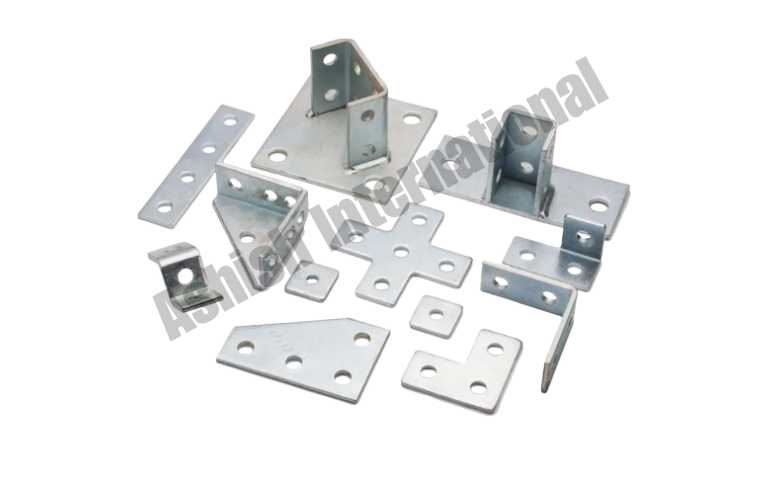
Leveraging decades of manufacturing excellence, Ashish Exports now offers premier sheet metal fabrication in India. We provide globally-recognized quality, precision engineering, and reliable export services for international buyers seeking a trusted production partner. Ashish Exports: A Legacy in Indian Manufacturing Our Commitment to Quality and Trust Ashish Exports is a family-owned business built on a foundation of over a decade in global manufacturing and export. Our history, rooted in fair business policies and a dedicated workforce, has established us as a prominent Indian exporter. We apply these same core values of integrity and reliability to our advanced sheet metal fabrication in India. A Mission for Precision Fabrication Our mission is to deliver world-class sheet metal fabrication services and fabricated components from our facility in Uttar Pradesh to a global clientele. Drawing from our success in highly regulated industries, we understand the critical importance of stringent quality standards and seamless international logistics. We are committed to combining skilled craftsmanship with modern technology to exceed buyer expectations. Our Custom Metal Fabrication Services Advanced Laser Cutting Services Our state-of-the-art laser cutting services deliver unparalleled precision and speed for a variety of metals. This technology is ideal for creating intricate designs and complex parts with superior edge quality. High Accuracy: Achieves tight tolerances for demanding applications. Clean Edges: Reduces the need for secondary finishing processes. Minimal Heat Distortion: Preserves the structural integrity of the material. High-Precision CNC Bending and Forming Our CNC bending and forming capabilities are essential for creating complex three-dimensional parts with exceptional repeatability. Using advanced press brakes, we can accurately form components like brackets, chassis, panels, and even a channel bracket to your exact specifications, ensuring consistency across entire production runs. Manufacturing Precision Sheet Metal Components Custom Sheet Metal Enclosures We specialize in manufacturing custom sheet metal enclosures for electronics, power distribution, and industrial machinery. Our team works with you to define specifications for size, material, cutouts, and finishes, delivering a product that meets both functional and aesthetic requirements. High-Quality Metal Stamping Parts For high-volume production, we offer cost-effective services for creating identical metal stamping parts. Our streamlined process ensures consistency and efficiency for components like washers, clips, connectors, and the channel nut. Tooling & Die Creation: We design and create custom tooling based on your part specifications. High-Speed Stamping: The material is fed into a press where the die shapes the part. Quality Inspection: Each batch undergoes inspection to ensure dimensional accuracy. Expertise in Diverse Fabrication Materials Specialized Stainless Steel Fabrication Our expertise in stainless steel fabrication serves industries where corrosion resistance, strength, and hygiene are critical, including food processing, medical, and architectural sectors. We work with various grades of stainless steel to meet specific environmental and performance demands. Versatile Aluminum Fabrication Solutions We provide comprehensive aluminum fabrication solutions for applications in aerospace, electronics, and automotive industries. Leveraging aluminum’s lightweight and corrosion-resistant properties, we deliver high-quality components, complete with expert welding and assembly services. Premier Sheet Metal Fabrication in India for Global Industries Fabrication for Industrial Applications Ashish Exports provides robust industrial sheet metal work for sectors such as manufacturing, energy, and construction. Our experience as a global exporter ensures that components like machine guards, structural elements, control panels, and pipe clamps meet international standards. This commitment makes us a leader in sheet metal fabrication in India. Solutions for Electronics and Automotive We manufacture precision sheet metal components for high-tech industries. For electronics, this includes server racks, chassis, and heat sinks. For the automotive sector, we produce brackets, support structures, and custom panels, delivering the accuracy these industries demand. Why Partner with Ashish Exports? Our Core Advantages in Fabrication Choosing Ashish Exports for sheet metal fabrication in India provides a distinct advantage. Our comprehensive custom metal fabrication services are designed to meet the rigorous demands of the global market. Decades of Manufacturing Experience: A proven track record in production, quality control, and adherence to fair business policies. Global Export Expertise: Deep understanding of international standards, compliance, and seamless logistics. Our expertise extends from aluminum fabrication to complex assemblies. State-of-the-Art Technology: We invest in modern equipment for superior laser cutting services and precise CNC bending and forming. Comprehensive Capabilities: From durable sheet metal enclosures to high-volume metal stamping parts, we offer end-to-end solutions. Material Specialization: Advanced capabilities in stainless steel fabrication and other alloys. Full-Service Production: Our processes include meticulous welding and assembly to deliver finished products. Made in India, for the World: High-quality industrial sheet metal work based in Uttar Pradesh, serving a global market. Frequently Asked Questions Q1. What types of sheet metal fabrication services do you offer in India? We offer laser cutting, CNC bending, stamping, welding, and assembly. Q2. What materials can Ashish Exports work with? We specialize in fabricating stainless steel, aluminum, mild steel, and other alloys. Q3. How do I get a quote for my fabrication project? Please submit your design files and project specifications via our contact form. Q4. What is the typical lead time for a sheet metal fabrication project? Lead times vary based on project complexity and volume but are always communicated upfront. Q5. Do you handle both small prototype runs and large volume production? Yes, our facility is equipped to manage both prototype and large-scale production orders. Q6. What quality control measures are in place at Ashish Exports? We implement rigorous in-process inspections and final quality checks for all components. About the author Kriti Mittal Meet Kriti Mittal, the brand storyteller at Ashish International, a global leader in sheet metal components and industrial fasteners. She specialises in turning technical expertise into engaging stories that highlight the company’s precision, quality, and product innovations. Passionate about manufacturing trends and clear communication, she connects global industries with Ashish International’s vision of performance, trust, and reliability. Linkedin Instagram
Plumbing Support System India
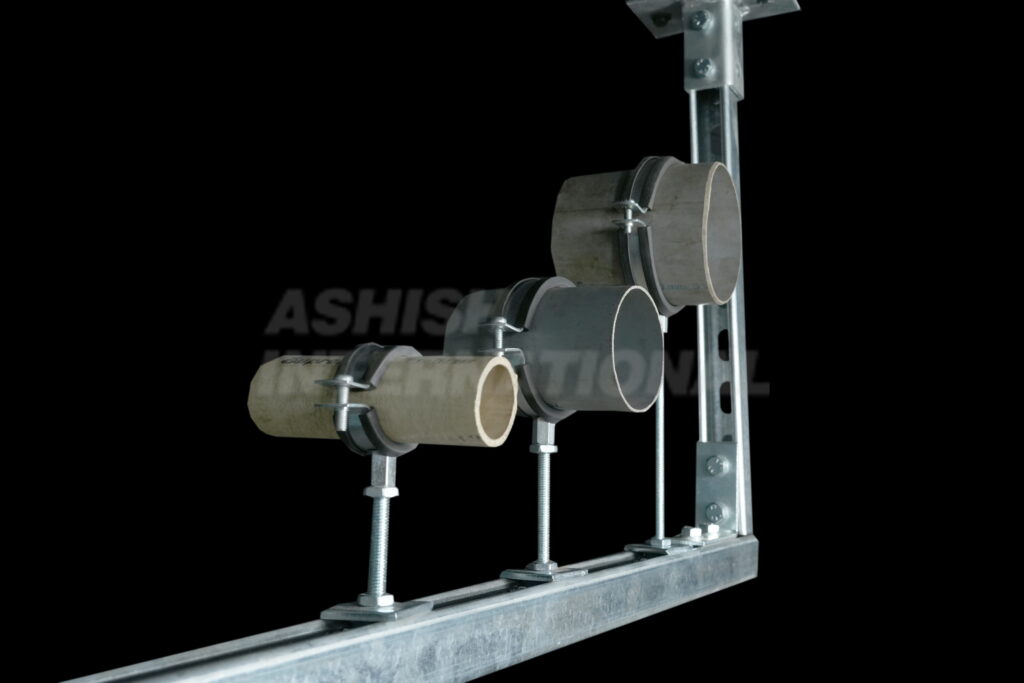
A robust plumbing network is critical to any building’s structural integrity and functionality. At its core lies the often-overlooked but essential plumbing support system India relies on for safety and longevity. This guide provides a comprehensive overview of the components, standards, and selection criteria for ensuring a durable and compliant plumbing infrastructure, drawing lessons from manufacturing leaders committed to quality and precision in every industry. Understanding Plumbing Support Systems Before delving into specifics, it is crucial to understand the foundational role of a plumbing support system. It is not merely an accessory but an integral part of the building’s mechanical, electrical, and plumbing (MEP) framework, ensuring long-term performance and safety. What Are Plumbing Supports? A plumbing support system is the engineered network of hangers, clamps, anchors, and structural attachments, such as a channel bracket, that secure pipes and plumbing components throughout a building. Its primary functions are to manage the static weight of pipes, control dynamic movement from thermal changes or vibration, and prevent damage to the piping and the building structure. Think of it as the skeleton that holds the building’s circulatory (plumbing) system firmly in place. Common components include hangers, clamps, and specialized items like MS pipe support saddles. Why Are They Crucial for Buildings? Properly engineered supports are non-negotiable for a building’s health and longevity. Their importance cannot be overstated for several reasons: Prevents Sagging and Damage: Inadequate support leads to pipe sagging (deflection), which creates low points where sediment can collect, causing blockages and restricted flow. Over time, this stress can lead to cracks and leaks. Absorbs Vibration and Noise: Supports dampen vibrations from fluid flow, significantly reducing noise like water hammer. This is crucial for occupant comfort in both residential and commercial buildings. Accommodates Movement: Pipes expand and contract with temperature changes. A well-designed system allows for this thermal movement without transferring stress to the building structure or the pipe joints. Ensures Structural Integrity: By bearing the load of the piping, the system protects walls, ceilings, and structural members from undue stress, preserving the building’s integrity. Key Components of a Plumbing Support System A complete plumbing support system India uses a variety of components, including pipe clamps, each designed for a specific application, load, and pipe material. Understanding these parts is key to designing an effective network. Essential Pipe Support Clamps Clamps are used to securely fasten pipes to a supporting structure. The choice of pipe support clamps depends on the pipe size, load, and whether the pipe needs to be anchored or allowed to move. U-Bolts: U-shaped bolts that wrap around a pipe and are secured with nuts, often a channel nut, typically used to anchor pipes to structural steel or channels. Riser Clamps: Designed to support the weight of vertical pipe runs (risers) by clamping around the pipe and resting on the floor slab or a structural member. Two-Bolt Pipe Clamps: Consist of two pieces of steel that bolt together around the pipe, often used for suspending horizontal runs. Materials for clamps include galvanized steel for corrosion resistance, stainless steel for harsh environments, and copper-plated steel for use with copper tubing to prevent galvanic corrosion. Types of Pipe Hangers and Supports Hangers connect the pipe to an overhead structure like a ceiling or beam. The selection of pipe hangers and supports is critical for managing pipe loads and movement. Clevis Hangers: A versatile, U-shaped hanger that supports the pipe from below, allowing for vertical adjustment. It is suitable for stationary, horizontal pipe runs. Split Ring Hangers: A two-piece ring that clamps around the pipe and is supported by a threaded rod. It is ideal for individual pipe runs and allows for some vertical adjustment. Roller Hangers: These supports incorporate a roller to allow for axial movement of the pipe, making them ideal for systems with significant thermal expansion and contraction. Anchors and guides are also vital. Anchors create fixed points to control movement, while guides allow longitudinal movement but restrict lateral motion. Choosing the Right Plumbing Support System in India Selecting the correct plumbing support system India requires a careful analysis of multiple factors to ensure safety, compliance, and cost-effectiveness. A one-size-fits-all approach can lead to system failure. Factors to Consider for Selection Engineers and installers must evaluate several variables before specifying a support system. These factors influence the type of support, material, and spacing. Factor Consideration Recommended Feature Pipe Material & Size Different materials (PVC, steel, copper) have varying strengths and weights. Spacing and support type must match material specifications. Fluid Temperature Hot fluids cause expansion; cryogenic fluids cause contraction. Use roller hangers or expansion loops to manage movement. Load Weight Includes the weight of the pipe, fluid, and insulation. Calculate total load to select supports with adequate capacity. Environmental Conditions Corrosive, humid, or outdoor environments require durable materials. Specify galvanized or stainless steel supports. Plumbing Installation Standards India Adherence to national and local codes is mandatory. The primary reference for plumbing installation standards India comes from the Bureau of Indian Standards (BIS). Key codes like the National Building Code (NBC) of India provide guidelines on support spacing, materials, and installation practices. It is essential to consult these standards to ensure the safety, legality, and performance of the installation. Always work with a certified engineer who understands the specific local building codes, as requirements can vary between municipalities. Common Applications and Use Cases The requirements for a plumbing support system India vary significantly between residential, commercial, and industrial settings. Industrial and Commercial Plumbing Factories, power plants, and large commercial buildings demand heavy-duty solutions. The requirements for industrial pipe supports are stringent due to larger pipe diameters, higher pressures, and often hazardous materials. These systems must support heavy process piping, HVAC systems, and fire-fighting pipelines. Specialized materials are often needed to resist corrosion and extreme temperatures. Components like heavy-duty MS pipe support saddles are common in these demanding environments where robust support is critical. Residential Plumbing Support Needs In homes and apartments, the focus is often on supporting smaller-diameter copper, PVC, or
The Ultimate Guide to HVAC Support System India (2026)

An effective HVAC support system India is the structural backbone of any modern building’s mechanical infrastructure. It ensures safety, efficiency, and longevity. As a leading manufacturer and exporter, Ashish International provides this comprehensive guide for international buyers and sourcing managers, detailing the critical components, materials, and standards that define a reliable system. This guide is your resource for sourcing high-quality HVAC supports engineered for global compliance and performance. Understanding the HVAC Support System India A robust support framework is non-negotiable for modern construction projects, ensuring the stability and performance of heating, ventilation, and air conditioning infrastructure. What They Are and Why They Matter An HVAC support system is the structural framework that secures and stabilizes ducts, pipes, and equipment. Its critical role is to prevent system failure, reduce noise and vibration, and ensure long-term operational integrity. In the context of large commercial and industrial buildings across India, these systems are essential for maintaining safety standards and preventing costly structural damage. A well-engineered system guarantees that all components remain securely in place throughout the building’s lifecycle. The Role of Supports in MEP Systems HVAC supports are a crucial element within the larger mechanical, electrical, and plumbing ecosystem of a building. Ensuring Stability and Safety in MEP Support Systems HVAC supports are an integral part of broader MEP support systems. Proper supports prevent sagging ducts and pipes, which can lead to leaks, reduced airflow efficiency, and significant safety hazards. At Ashish International, our products are designed for seamless coordination with electrical cable trays and plumbing lines, ensuring a cohesive and stable installation. This integrated approach is vital for complex projects where multiple systems must coexist without interference, making well-designed MEP support systems indispensable. Core Components of an HVAC Support System The reliability of the entire system depends on the quality and correct application of its core components. Strut Channels and Fittings Strut channels, often referred to as Unistrut, serve as the versatile backbone of modern support systems. These standardized channels allow for the attachment of various fittings, including channel nuts, brackets like the channel bracket, and cantilever arms, to create custom support structures. Ashish International manufactures a comprehensive range of strut channel systems, providing the flexibility needed to build robust frameworks for any application. Pipe Hangers, Clamps, and Saddles To secure piping, a variety of supports are used. Key components include clevis hangers, riser clamps for vertical runs, and split clamps. The choice between lined and unlined clamps is crucial; lined clamps provide vibration dampening and thermal insulation, while unlined clamps are suitable for general support. Ashish International offers a diverse selection of these solutions, ensuring secure and stable pipe installations as part of our comprehensive pipe support systems India. Essential Industrial Fasteners for HVAC The integrity of any support structure is fundamentally reliant on the quality of the fasteners holding it together. Bolts, Nuts, and Threaded Rods Fasteners are the critical elements that bind the entire system. Key types of industrial fasteners for HVAC include anchor bolts for securing to concrete, hex nuts, threaded rods for suspension, and U-bolts for securing pipes to channels. Ashish International manufactures a wide array of high-tensile industrial fasteners for HVAC, ensuring every connection is secure and compliant with international standards. Types of HVAC Duct Supports Different duct sizes and configurations require specific support solutions to ensure stability and prevent sagging. Hanger and Trapeze Systems For ductwork, two primary support methods are used. Single-hanger supports are ideal for smaller, individual ducts, while trapeze supports, constructed with a horizontal strut channel suspended by two threaded rods, are used for larger ducts or multiple parallel runs. These versatile HVAC hanger systems provide stability and allow for precise height adjustments. As a premier provider of HVAC duct supports, Ashish International offers all necessary components for both configurations. Selecting the Right Materials Material choice is dictated by the installation environment and is critical for ensuring the system’s longevity and corrosion resistance. Mild Steel vs. Stainless Steel The most common materials for HVAC supports are pre-galvanized steel for indoor use, hot-dip galvanized steel for outdoor or damp environments, and stainless steel for highly corrosive areas like coastal regions or chemical plants. Ashish International possesses deep expertise in manufacturing with both mild and stainless steel, offering clients the optimal material for their specific project requirements. Material Recommended Environment Corrosion Resistance Pre-Galvanized Steel Indoor, Dry Standard Hot-Dip Galvanized Steel Outdoor, Damp, Humid High Stainless Steel (SS304/SS316) Corrosive, Coastal, Chemical Very High / Excellent Design and Load Calculation Basics Proper engineering and calculation are foundational to a safe and compliant support system. Factors Influencing System Design A safe HVAC support system India requires careful design based on load calculations. Engineers must account for the dead load (ducts, pipes, insulation) and live loads (vibration, seismic activity). Key factors to consider include: The span between supports. The size and total weight of the components being supported. Environmental conditions, such as wind or potential seismic activity. The structural capacity of the anchor points. Proper engineering is crucial for safety, compliance, and long-term system reliability. Ashish International: A Trusted Manufacturer for HVAC support system India With a proven track record in global markets, Ashish International stands as a reliable partner for high-quality support systems. Our Commitment to Quality Ashish International is a leading manufacturer and exporter with over two decades of expertise in the MEP industry. Our global reach extends to Europe, the USA, the Middle East, and beyond, built on an unwavering commitment to superior performance, quality, and customer satisfaction. We deliver engineered solutions that meet the stringent demands of international trade partners looking for a dependable HVAC support system India supplier. Our Strut Channel Support Systems and Unistrut channel brackets India Our comprehensive range of strut channel products forms the foundation for versatile and reliable support frameworks. A Foundation for Reliable Support Our product line features Strut Channels, Channel Spring Nuts (a type of channel nut), Cantilever Arms, and a full range of Unistrut channel brackets India. These components create a fully integrated and adjustable
Understanding Strut Clamps: Types, Uses, and Best Practices for PVC Pipe Installations

When it comes to building durable mechanical and electrical systems, few components are as essential as the strut clamp. Designed to secure pipes, conduits, and tubing to a strut channel framework, strut clamps provide the structural stability that ensures safe and efficient installations. Whether you’re managing a commercial HVAC system, a plumbing layout, or a solar mounting structure, selecting the right clamp type—especially when working with strut clamps for PVC pipe—can make a significant difference in system performance and longevity. At Ashish Exports, a global manufacturer known for precision and reliability, every clamp and fitting is designed to deliver strength, compatibility, and ease of installation—backed by more than two decades of engineering excellence. What is a Strut Clamp and How Does It Work? A strut clamp is a mechanical fastener used to hold pipes or electrical conduits firmly in place within a strut channel. The clamp helps absorb vibration, maintain alignment, and protect piping systems from displacement or wear caused by movement or temperature changes. Typically, these clamps are made from galvanized or fabricated steel, ensuring superior load-bearing capacity and corrosion resistance. The clamp fits neatly into a strut channel and is secured using a nut-and-bolt mechanism, allowing for quick installation and removal. Types of Strut Clamps Used in Construction There are several types of strut clamps available, each designed for a specific purpose and environment. Standard Strut Clamps These are commonly used in commercial buildings and industrial plants to support pipes and conduit systems. They provide a tight fit and distribute load evenly along the strut channel. PVC Pipe Strut Clamps When working with lightweight plastic piping, strut clamps for PVC pipe are preferred. They offer a softer grip, preventing deformation and allowing for expansion due to temperature fluctuations. Cushioned Pipe Clamps For installations that require noise and vibration reduction—such as HVAC systems or mechanical rooms—using pipe clamps with cushioned linings ensures quiet operation and extended service life. U-Bolt and Beam Clamp Configurations For heavy-duty or suspended applications, U-bolt and beam clamp types provide extra support and stability, especially in high-load or vertical installations. Choosing the Right Strut Clamp for PVC Pipe Applications PVC pipe systems require special consideration due to their material flexibility and temperature sensitivity. Here are key points to keep in mind: Material Compatibility: Use clamps made of stainless or galvanized steel with protective coatings to prevent abrasion. Proper Sizing: Match the clamp size to the pipe’s outer diameter for a snug fit. Thermal Expansion: Allow room for expansion and contraction—particularly in outdoor installations. Load Distribution: Ensure the strut channel is rated to handle the total load of the supported pipes. Using precision-engineered strut clamps for PVC pipe ensures stability while preserving the structural integrity of the piping system. Installation Tips for a Secure Strut Clamp System Efficient installation not only improves safety but also reduces long-term maintenance. Follow these best practices: Ensure Proper Alignment: The clamp and strut channel should be perfectly aligned to distribute the load evenly. Use Quality Fasteners: Accessories such as channel nuts provide a strong, reliable connection point within the strut system. Speed Up Assembly: For time-sensitive projects, consider using quick nuts that allow for faster installation without sacrificing strength. Torque Check: Always tighten bolts to manufacturer-recommended torque values to prevent loosening under vibration. Periodic Inspection: Inspect connections annually to ensure ongoing safety and performance. Applications Across Industries Strut clamps are used in a wide range of industries and project types: HVAC Systems: To mount and stabilize ductwork and air handling equipment. Electrical Installations: To organize and secure conduits in commercial and industrial spaces. Plumbing: To support water and drain lines in both metal and PVC systems. Solar Power Plants: To fasten cables and structural conduits in outdoor environments. Mechanical Systems: For heavy-duty piping frameworks in factories or energy facilities. Ashish Exports manufactures a full range of modular strut systems and support components that meet U.S. and international standards—ensuring safety, compatibility, and efficiency in every installation. Why Quality and Material Matter The performance of a strut clamp depends heavily on the material and coating used. Mild steel clamps offer good load capacity for indoor use, but fabricated steel or stainless-steel variants provide higher durability in outdoor or corrosive environments. Precision finishing and galvanization not only extend service life but also improve the clamp’s grip and alignment. At Ashish Exports, every clamp undergoes strict quality control to ensure it performs reliably under real-world conditions. Maintenance and Inspection of Strut Clamp Systems Routine inspection is essential to maintaining the integrity of your installation. Check for: Rust, corrosion, or loose bolts Deformed clamps due to excessive load or impact Vibration-related wear, especially in cushioned clamps Proper torque and alignment after any maintenance work Replace damaged or worn components immediately to prevent structural issues. Conclusion The right strut clamp is not just a fastening tool—it’s a critical part of your system’s safety and efficiency. By understanding different clamp types and how to use them effectively, you can ensure long-lasting, stable installations across plumbing, electrical, or mechanical applications. At Ashish Exports, we design and manufacture high-quality strut channels, fittings, and accessories that meet global performance standards. Whether you’re sourcing strut clamps for PVC pipe or complete MEP support systems, our engineering expertise and manufacturing precision make us a trusted partner for projects across the USA and beyond. Contact Ashish Exports today to learn how our custom-built support solutions can help you achieve reliable, cost-effective installations. Frequently Asked Questions Q1. What is a strut clamp used for? A strut clamp is used to hold pipes, conduits, or tubing securely within a strut channel, ensuring they remain stable and aligned during operation. Q2. Are strut clamps suitable for PVC pipes? Yes. Specialized strut clamps for PVC pipe are available that prevent abrasion and allow for expansion without damaging the pipe surface. Q3. What materials are commonly used to manufacture strut clamps? Strut clamps are usually made from galvanized, stainless, or fabricated steel, depending on the environmental conditions and load requirements. Q4. Can one clamp fit multiple pipe
Solar Module Mounting Structure

Introduction Across the United States, solar energy continues to expand as businesses and homeowners embrace cleaner power sources. At the core of every reliable solar setup is the solar module mounting structure—the physical framework that keeps panels secure, aligned, and efficient. Without a properly designed and engineered support system, even the best solar panels can underperform. A robust mounting structure not only ensures stability but also improves energy generation, withstands environmental stress, and minimizes maintenance. With more than 25 years of experience in manufacturing precision-engineered steel and MEP components, Ashish International provides the quality, strength, and customization essential for today’s solar projects. What Is a Solar Module Mounting Structure? A solar module mounting structure is the foundational framework that holds photovoltaic panels in position—on roofs, ground surfaces, poles, or even water bodies. Its design is critical to performance: correct orientation and angle maximize sun exposure while maintaining resistance to wind, snow, and seismic loads. In the U.S., solar structures must comply with local building codes, load calculations, and safety standards like UL 2703 and ASCE 7. The structure’s material, geometry, and fastening components together determine how well it performs over decades. Key Components of a Mounting Structure for Solar Panels Every part of a mounting structure for solar panels plays a vital role in ensuring system strength and reliability. The following are its key elements: 1. Rails and Frames Rails provide the foundation for securing panels. They distribute the system’s load and align the modules for uniform performance. 2. Pipe Clamps Pipe clamps connect circular supports or conduits within the mounting system, holding them firmly under environmental stress. Their durability and precision are essential in both ground-mounted and rooftop systems. 3. Channel Nut A channel nut allows flexible fastening within strut channels, enabling secure installation without complex welding. This design speeds up assembly, reduces errors, and enhances on-site safety. 4. Fabricated Steel Sections Structures made with fabricated steel provide unmatched stability and corrosion resistance. They are ideal for large-scale or coastal solar installations that demand long-term performance under tough environmental conditions. 5. Quick Nut Fasteners A quick nut simplifies on-site connections and minimizes labor time. These fasteners allow installers to tighten components quickly and consistently—critical for maintaining alignment across solar arrays. Together, these components ensure the mounting framework’s mechanical strength, precision, and longevity. Types of Solar Module Mounting Structures 1. Rooftop Mounts Perfect for residential, commercial, and industrial buildings, rooftop mounts use existing structures to support solar arrays. They are compact, efficient, and cost-effective. Advantages: Ideal for space-limited environments and urban applications. Considerations: Roof condition, weight limits, and shading must be evaluated before installation. 2. Ground Mounts Ground-mounted systems are used for larger properties or utility-scale solar farms. Advantages: Flexible orientation and easy maintenance; better airflow enhances efficiency. Considerations: Requires open land and a solid foundation to withstand environmental loads. 3. Carport and Canopy Systems These systems integrate solar power generation with shaded parking or walkway spaces. Advantages: Dual-use design—power generation plus vehicle protection. Considerations: Higher initial investment but excellent long-term value for commercial applications. 4. Pole Mounts Pole-mounted systems elevate panels above ground level. Advantages: Small footprint and minimal shading; easy access for cleaning and inspection. Considerations: Structural engineering must account for wind forces on single or dual poles. 5. Floating Solar Structures Floating solar systems are deployed on lakes, reservoirs, or retention ponds. Advantages: Reduces land use, cools panels naturally, and improves energy yield. Considerations: Requires specialized anchoring and water-resistant materials. 6. Tracking Systems Tracking systems use mechanical or electronic controls to follow the sun’s movement. Advantages: 15–25% higher power output compared to fixed-tilt systems. Considerations: Higher upfront cost and more maintenance due to moving parts. Choosing the Right Mounting Structure for Your Project Selecting a solar mounting system involves balancing design, cost, and performance. Key factors include: Site Conditions: Analyze roof strength, soil type, and local climate. Load and Wind Requirements: Confirm compliance with engineering and safety codes. Material Selection: Aluminum is lightweight; steel offers higher strength for industrial systems. Installation Time: Modular and pre-engineered structures minimize downtime. Budget and Lifespan: Consider lifecycle cost over initial price to ensure long-term ROI. Regulatory Standards: Adhere to U.S. certifications (UL 2703, ASCE 7) and local permitting rules. Professional assessment ensures that your chosen mounting structure delivers maximum performance and safety under all conditions. Benefits of High-Quality Solar Mounting Structures Enhanced Energy Output: Proper orientation ensures optimal sunlight absorption. Weather Resistance: Coated steel and corrosion-proof materials withstand harsh climates. Low Maintenance: Precision-fit components minimize wear and vibration. Faster Installation: Pre-engineered systems reduce on-site labor. Longevity: A properly built framework can last 25–30 years or longer. Reliable mounting systems also improve aesthetic appeal and system safety, making them essential for any solar investment. Common Mistakes to Avoid Using low-grade materials prone to rust or deformation. Skipping wind and snow load analysis during design. Overlooking grounding and electrical safety. Installing without verifying sun exposure and tilt. Neglecting periodic inspections and bolt tightening. Attention to these details extends lifespan and prevents costly structural issues. Conclusion A durable and precisely engineered solar module mounting structure determines how well a solar installation performs over time. From rooftop projects to utility-scale arrays, the right structural components ensure strength, safety, and efficiency. With a legacy of precision manufacturing, Ashish International provides dependable solar and MEP support solutions trusted across global markets. Each component is built to deliver performance, accuracy, and reliability for decades of sustainable energy generation. Looking for reliable, high-performance solar mounting components for your next project? Explore Ashish International’s range of strut channels, clamps, and fastening systems—or contact the team today to request a custom quote for your solar installation requirements. Frequently Asked Questions Q1. What is a solar module mounting structure? It’s a structural framework that supports solar panels at the correct angle and alignment to optimize sunlight exposure and ensure long-term system durability. Q2. What materials are best for mounting structures? Galvanized and fabricated steel are preferred for large systems, while aluminum is common in smaller rooftop setups due to its lightweight
High-Quality Cantilever Arms Near Me from Ashish Exports

As established cantilever arms suppliers, we combine decades of industrial experience with a commitment to local service. We understand the unique storage challenges businesses face and provide solutions built on a foundation of trust and quality. The Ashish Exports Legacy Ashish Exports is a family-owned business with a deep-rooted history in manufacturing. Our sister concerns began operations in 1982, and we have since grown into a global exporter. We have now expanded our manufacturing expertise from precision mint products into high-strength industrial solutions, including cantilever arms. Our core values of quality, reliability, and integrity are engineered into every product we create. Our Mission for Unmatched Quality Our mission is guided by fair business policies and a dedicated workforce. This commitment translates directly into superior cantilever arm products and exceptional customer service. From our manufacturing center in Chandausi, Uttar Pradesh, we ensure that every component, including the essential channel bracket, meets rigorous quality standards, providing you with a dependable source for cantilever arms near me. Premier Cantilever Arms Manufacturers in India Leveraging our extensive background, we operate as premier cantilever arms manufacturers. We apply the same meticulous attention to detail required in producing aromatic chemicals to the structural engineering of our storage systems. Advanced Manufacturing Processes Our production relies on state-of-the-art technology and stringent quality control measures. The precision essential for manufacturing export-quality chemicals informs our process for creating cantilever arms and other fabricated components with exceptional structural integrity. This ensures every product offers maximum durability, safety, and compliance with industry standards. Custom Cantilever Arm Solutions We specialize in creating custom-designed cantilever arms to meet your specific operational needs. Our team works with you to develop the perfect solution. The process is simple: Consultation to understand your storage requirements. Design and engineering based on load, length, and finish specifications. Manufacturing and quality assurance checks. Delivery of your custom cantilever arm system. Contact our sales team for a consultation on solving your unique storage challenges with the best cantilever arms near me. Our Comprehensive Range of Cantilever Arms We offer a versatile selection of cantilever arms designed for various load capacities and applications, ensuring you can find the perfect fit for your inventory. Heavy-Duty Cantilever Arms Ideal for storing heavy materials like steel stock, lumber, and large pipes. Our heavy-duty arms, along with accessories like pipe clamps, are built for maximum strength and longevity. High-load capacity for demanding industrial environments. Robust steel construction for superior durability. Protective finishes to prevent corrosion and wear. Explore our product catalog to view specific heavy-duty models and find the right cantilever arms near me. Medium and Light-Duty Arms Perfect for organizing lighter items such as PVC pipes, furniture, and smaller building materials. These arms offer a cost-effective solution for less demanding storage needs without compromising on quality or accessibility. Why Partner with Ashish Exports? Choosing Ashish Exports means partnering with a company that has a proven track record of manufacturing excellence and global trade reliability. We are more than just cantilever arms suppliers; we are your strategic partner in optimizing your storage infrastructure. Decades of Manufacturing Experience Our group’s presence in manufacturing since 1982 is a testament to our stability, adaptability, and commitment to long-term client relationships. This history ensures that when you choose us as your cantilever arms manufacturers, you are investing in proven expertise. 1982: Began domestic manufacturing of mint products. 2005: Recognized as a leading supplier for MCX & NCDEX. 2026: Expanded manufacturing to industrial storage solutions. Four decades of trust, now engineered for strength. Global Expertise, Local Service Our extensive experience as a global exporter informs our world-class quality standards and efficient logistics management. For customers searching for cantilever arms near me, this means you receive the benefit of international quality assurance on every component, like the channel nut, with the convenience of local accessibility and dedicated support. Frequently Asked Questions Q1. What makes Ashish Exports a leading choice for cantilever arms? Our four decades of manufacturing expertise and commitment to quality. Q2. Do you offer installation support for your cantilever arms? We provide comprehensive guidance and can connect you with installation partners. Q3. How can I get a quote for cantilever arms? Contact our sales team directly through our website or phone number for a detailed quote. Q4. How much weight can a cantilever arm hold? Load capacity varies by model, from light-duty to heavy-duty specifications. Q5. What are cantilever arms used for? They are used for storing long, bulky, or irregularly shaped items. About the author Kriti Mittal Meet Kriti Mittal, the brand storyteller at Ashish International, a global leader in sheet metal components and industrial fasteners. She specialises in turning technical expertise into engaging stories that highlight the company’s precision, quality, and product innovations. Passionate about manufacturing trends and clear communication, she connects global industries with Ashish International’s vision of performance, trust, and reliability. Linkedin Instagram
Premium Channel Nuts for Unistrut Systems

Since 1990, Ashish Exports has leveraged precision engineering to become a trusted global manufacturer. We apply our deep expertise in moulding and turnkey solutions to produce superior channel nuts for unistrut systems. Our commitment to quality ensures every component meets the highest international standards for reliability and performance, supporting industries worldwide with dependable fastening solutions. Your Trusted Partner for Unistrut Channel Nuts Choosing the right supplier for critical components like a channel bracket is paramount for project success. Ashish Exports stands as a reliable partner, combining decades of industrial manufacturing experience with a global outlook to deliver exceptional value and performance. Decades of Manufacturing Excellence Established in 1990, Ashish Exports has built a legacy of innovation and quality. Our core mission is to deliver high-quality products that advance industries. The same precision and engineering discipline required for our renowned PET Preform Moulds and turnkey solutions are applied to the production of every one of our channel nuts for unistrut, ensuring unparalleled consistency and reliability. Global Supply and Support Network Our global presence extends to customers in over 20 countries, supported by a robust and efficient supply chain. We ensure the timely delivery of channel nuts worldwide, minimizing project delays. This global reach is complemented by a comprehensive after-sales support system, including detailed user manuals and responsive assistance to guarantee seamless integration and use of our products. Our Comprehensive Channel Nut Offerings We provide a complete range of channel nuts for unistrut systems, designed to meet the diverse requirements of modern construction, electrical, and mechanical installations. Whether you need standard components for bulk projects or customized solutions for unique challenges, we have the capability to deliver. Standard Channel Nuts (No Spring) Our standard channel nuts are the workhorse for countless applications. Designed for strength and simplicity, they provide a secure and reliable fastening point within the strut channel. They are ideal for installations where the nut can be easily held in place during assembly. Available Materials: Carbon Steel, Stainless Steel (304, 316) Finishes: Electro-galvanized (Zinc-Plated), Hot-Dip Galvanized Thread Types: Metric (M6, M8, M10, M12), Imperial (1/4″, 3/8″, 1/2″) Benefits: Cost-effective, high-strength, and suitable for a wide range of vertical and accessible applications. Channel Nuts with Spring For overhead or hard-to-reach installations, our spring-loaded channel nuts offer a significant advantage. The integrated spring holds the nut in position within the channel, freeing up the installer’s hands to position the fixture and bolt. This feature dramatically improves installation speed and safety. Feature Standard (No Spring) Nut Spring Nut Installation Requires manual positioning and holding Spring holds nut in place for one-handed installation Best Use Case Vertical channel runs or easily accessible areas Overhead, vertical, or difficult-to-reach areas Installation Speed Slower for complex or overhead setups Significantly faster and more efficient Convenience Requires two hands for most installations Allows for easier one-handed fixture placement Customized Channel Nut Solutions Leveraging our extensive expertise in custom moulding tools like PET Preform Moulds and Die Casting Moulds, Ashish Exports offers tailor-made channel nut solutions. If your project requires non-standard dimensions, materials, or finishes, our engineering team can work with you to develop the perfect component. Consultation: We begin by understanding your specific application requirements, load-bearing needs, and environmental conditions. Design & Prototyping: Our engineers create detailed designs and can produce prototypes for testing and validation. Production & Quality Assurance: Upon approval, we commence full-scale production under our stringent quality control protocols to ensure every custom nut meets your exact specifications. Advanced Manufacturing and Quality Control Our commitment to quality is embedded in our manufacturing process. We utilize modern technology and rigorous protocols to produce channel nuts for unistrut and other fabricated components that you can depend on for safety-critical applications. State-of-the-Art Production Facility Our production facility houses advanced machinery for forming, threading, and finishing. This technological advantage allows us to maintain tight tolerances and high efficiency. As leading channel nut manufacturers, we invest in technology that ensures precision. Our experience with complex Steel Blow Molds and casting tools informs our entire manufacturing philosophy. As one of the foremost channel nut manufacturers in India, our facility is equipped for global-scale production. Rigorous Quality Assurance Protocols We deliver products that are reliable and durable. Our multi-stage quality control process guarantees that every batch meets or exceeds industry standards. Raw Material Inspection: We verify the chemical and physical properties of all incoming steel and other raw materials. In-Process Monitoring: Dimensions, thread quality, and structural integrity are checked at multiple stages of production. Final Product Testing: Finished channel nuts undergo final inspection for finish quality, dimensional accuracy, and load-bearing capacity. Why Choose Ashish Exports as Your Supplier? Partnering with Ashish Exports means more than just procuring parts, it means gaining a partner dedicated to your success with a proven track record of industrial excellence. Unmatched Industry Expertise Since 1990 With over three decades of experience, we possess deep knowledge of industrial manufacturing and material science. Our reputation as leading channel nut manufacturers in Ludhiana is built on a foundation of consistent quality and problem-solving. We are more than just channel nut suppliers, we are engineering partners who understand the demands of your projects. Dedicated After-Sales Support Our service extends beyond the sale. We provide comprehensive support to ensure our customers achieve maximum value from our products. This includes operational guidance, installation best practices, and ongoing technical assistance, a level of service that sets us apart from competitors who only supply products. Applications for Channel Nuts for Unistrut The versatility of channel nuts for unistrut makes them indispensable across numerous industries for creating strong, adjustable, and reliable support systems without the need for welding or drilling. Support for MEP and HVAC Systems In mechanical, electrical, and plumbing (MEP) and HVAC installations, channel nuts are critical for securing a wide range of components. They are used to mount pipe clamps, support electrical conduit and cable trays, and hang ventilation ducts and air handling units. The adjustability of the strut and nut system allows for precise alignment and easy modifications. Application Component Secured