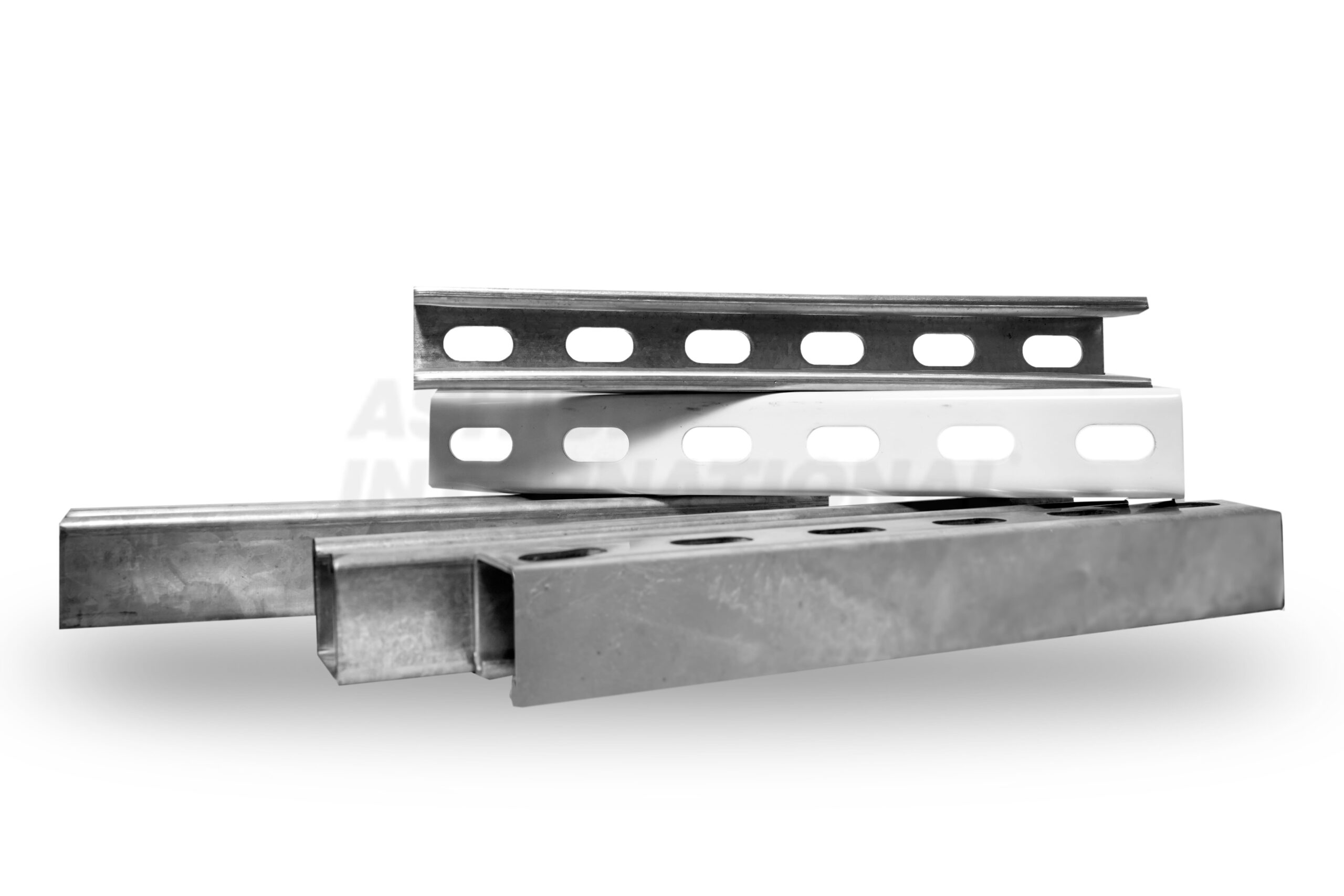

Cantilever arms in Maldives
Cantilever Arms in Maldives: Where Load Meets Salt
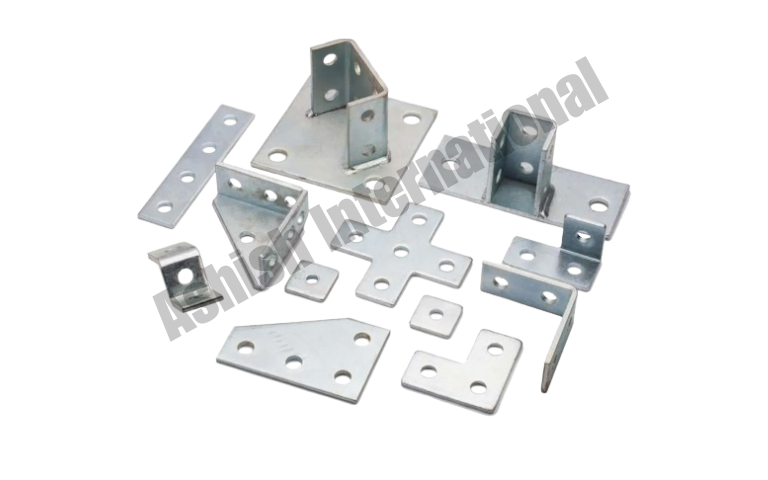
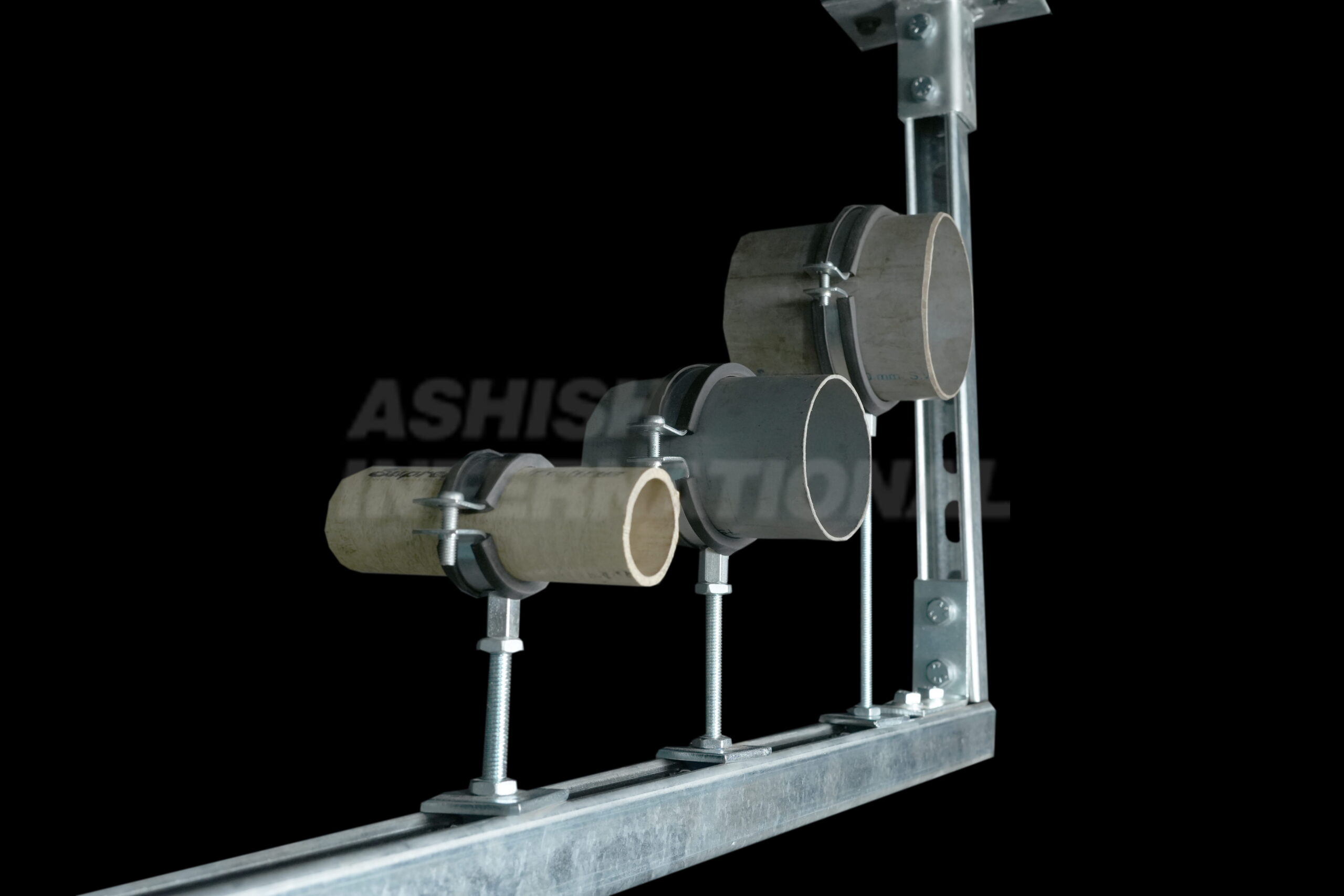
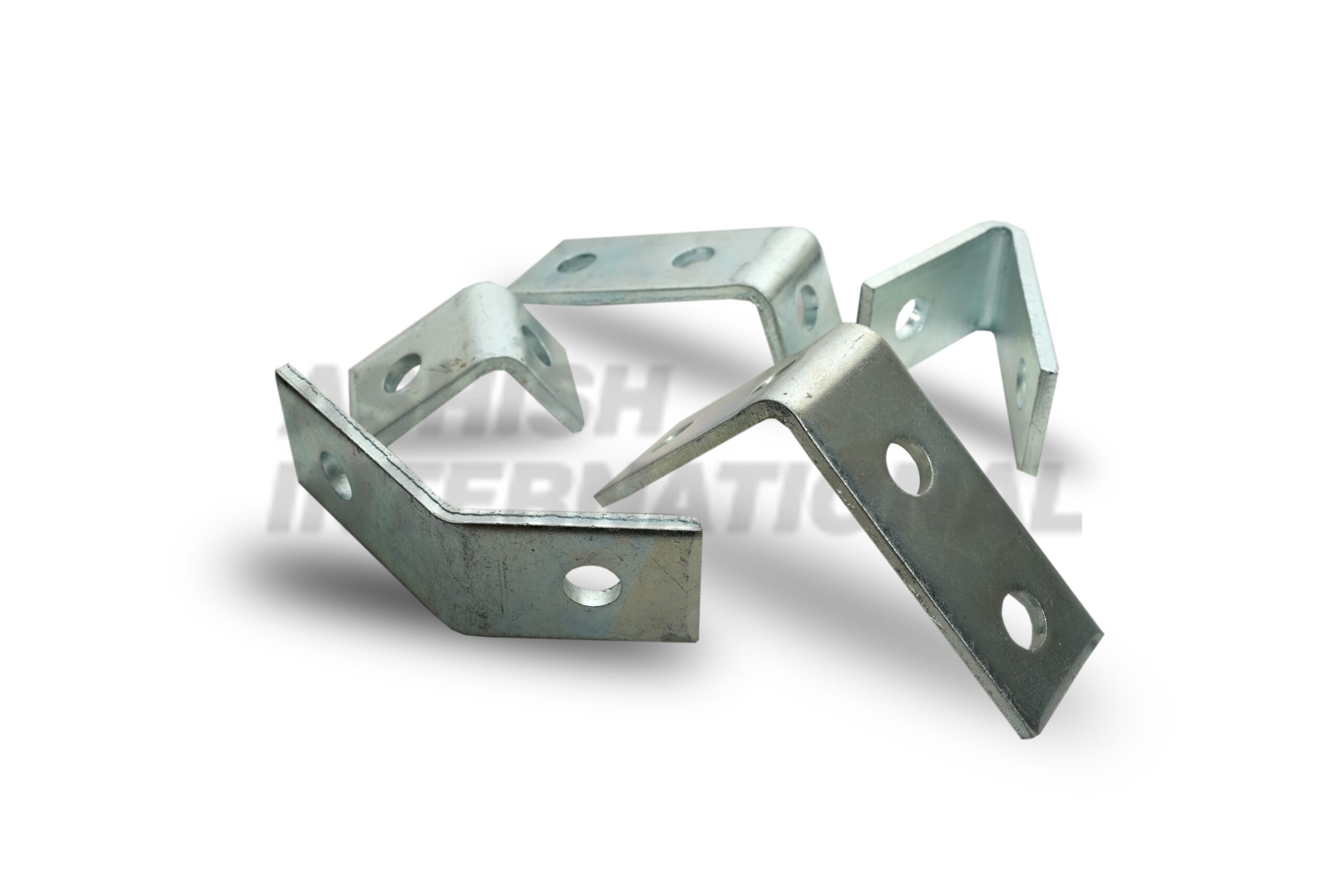
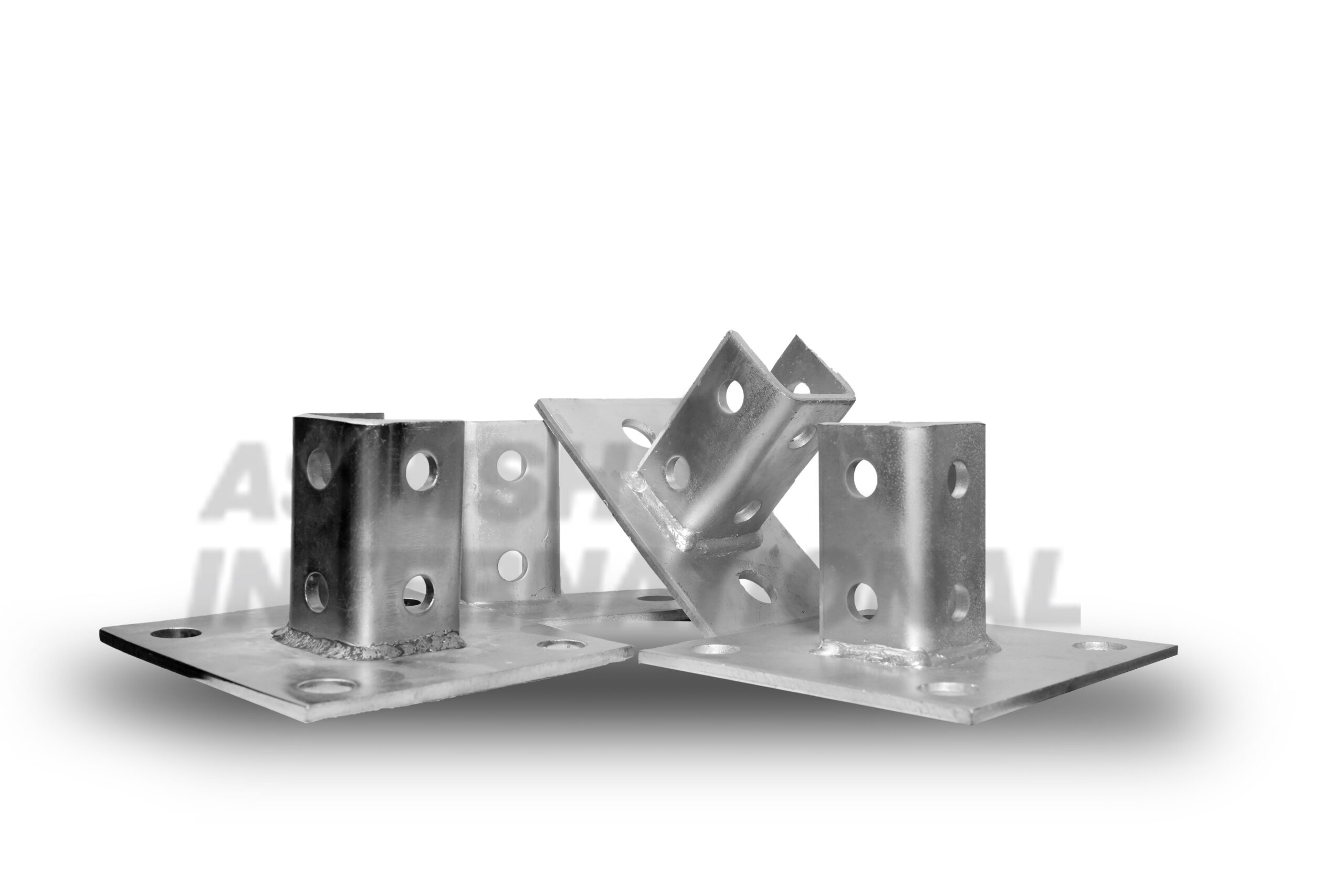
Buyers sourcing cantilever arms in the Maldives can have them manufactured to their own drawings by Ashish International, an ISO 9001:2015 certified manufacturer and exporter in Ludhiana, India, with over 25 years in MEP support systems. A cantilever arm is a bracket fixed at one end only, carrying pipes, cable trays, or ducts along its free end. On an island site, it becomes the most corrosion-sensitive part of the whole support system, for a reason worth understanding before you order. We manufacture cantilever arms together with the strut channel they mount to, including SS316 stainless steel for marine duty, and our certifications are published for buyers to check. Cantilever arms in the Maldives must be specified for the load and the sea together, never one without the other.
Why Is the Arm the Most Corrosion-Sensitive Component?
Two separate problems converge on the same small area of steel, and that convergence is what makes cantilever arms fail before anything else around them.
The first is mechanical. The arm is held at one end only, so the bending force is at its maximum right at the fixing, where the bolt holes are. That is where the steel is working hardest.
The second is chemical. Corrosion always begins where the metal has been cut and drilled, because the protective layer is thinnest or absent at those edges. In salt-laden air, that attack starts immediately.
So the point of highest stress and the point of first corrosion are the same point. A cantilever arm can look entirely sound along its length while the section carrying the load is quietly being consumed. In the Maldives, this is not a slow, distant risk. It is the normal failure mode.
Which Grade Should a Maldivian Arm Be Made From?
There is no genuinely inland site in the country, so the choice is narrower than buyers expect.
- Hot-dip galvanised: A heavy zinc layer applied after forming, protecting cut edges and holes. Defensible only in sealed, air-conditioned interiors well away from openings.
- Stainless steel SS304: Suitable for wet and washdown areas, but it is not a marine grade and will pit in chloride-heavy air.
- Stainless steel SS316: The correct specification for marine exposure. Its molybdenum content is what gives it resistance to chloride attack that SS304 does not have.
For resort plant rooms, jetty services, desalination and RO plants, and seawater-cooled chiller runs, SS316 is not a premium option to be justified. It is the specification, and a load-bearing arm is the last place to economise on it.
What Does Reach Do to the Arm?
Grade decides survival. Reach decides the size of the arm, and it is the detail buyers most often leave out of an enquiry.
The further from the wall the load sits, the greater the bending force at the fixing. Two identical arms carrying identical weight behave very differently depending on where along the arm that weight rests. Move a pipe run from close to the wall out toward the tip and the demand on the connection rises sharply, even though nothing about the pipe has changed.
This is why an arm cannot be lengthened in isolation. Extend the reach and the gauge, the channel behind it, and the fixings may all need to change with it. Real capacity depends on reach, gauge, material, and fixing method, so those figures belong in our technical catalogue and in a calculation from our engineers, not in a sales paragraph. Tell us how far out the load sits, not just how heavy it is, because reach is what sizes the arm.
What Is the Arm Actually Fixed To?
This is the question that gets skipped, and on island sites it matters enormously.
A correctly specified SS316 arm anchored into a poor substrate will still fail, and it will fail at the anchor rather than in the arm. Much Maldivian construction sits in marine-exposed concrete and coral-aggregate blockwork, where the reinforcement and the fixing environment behave differently from an inland structure. The arm is only as good as what holds it.
That means the anchor bolt, the channel spring nuts, and the strut brackets behind the arm are part of the same decision, not separate purchases. Specify the arm and its anchorage together, because the load path does not stop at the wall face.
Why Can Mixed Metals Undo the Whole Upgrade?
This is the most expensive false economy in Maldivian procurement, and it is worth stating plainly.
A buyer specifies SS316 arms for a coastal resort, then orders galvanised nuts and brackets to control cost. Two dissimilar metals in contact, in salt and moisture, form a galvanic couple. The less noble metal corrodes preferentially, and it does so at the joint, which is exactly where the load transfers. The stainless arm survives in excellent condition. The fastener behind it fails, and the pipe run comes down regardless.
Every dirham of the upgrade is wasted, and the failure lands at the connection. We manufacture the full range in matched grades, including threaded rod, pipe clamps, and complete modular support systems. Upgrading the arm while economising on the fixings defeats the upgrade completely.
Why Does the Order Have to Be Right First Time?
Island logistics change the cost of an error, and this deserves thought before the purchase order rather than after.
Material ships by sea into Malé and then transfers by boat to the island where the work is happening. There is no merchant nearby, no next-day replacement, and no quick way to make up a shortfall. A wrong reach, a missing gauge, or an incorrect grade on a resort island becomes a programme delay measured in weeks, with a boat charter attached to putting it right.
This is why we press for a complete specification at enquiry stage rather than taking a fast order, and why export packing for extended sea transit and island storage is discussed rather than assumed. Ordering correctly and completely the first time is worth far more here than any saving on the unit price.
How Do You Verify an Overseas Factory?
For a Maldivian contractor or resort procurement team assessing a supplier they cannot visit, the answer must be documents and samples.
Ours are published and verifiable: ISO 9001:2015 certification for our quality management system, ZED Bronze certification under the Government of India’s Zero Defect Zero Effect scheme for manufacturers, a granted patent evidencing our own engineering development, and Recognised Export House status awarded by the Government of India on the basis of demonstrated export performance rather than on application.
That status cannot simply be requested, which is precisely why it carries weight for an export buyer. We also supply samples before a full order is committed, and we will confirm the steel grade of a consignment in writing. For a load-bearing marine component, insist on the grade in writing from any supplier, including us.
Can Arms Be Produced Under Your Own Brand?
Yes, and for many of our long-standing customers this is the entire commercial relationship.
We manufacture on an OEM and ODM basis, producing cantilever arms to your drawings, reach, gauge, grade, finish, packing, and branding, so a trading company, importer, or contractor in the Maldives can supply them entirely under its own name. Confidentiality is contractual: IP-protected client designs are manufactured under non-disclosure agreement and are never shown or offered to another buyer. Several of our client relationships now exceed twenty years, which in components manufacturing carries more weight than any claim we could print.
Our own brand, FITSTRUTS®, is available for buyers wanting a ready-made identity, though white-label supply is offered on equal terms and generally suits an established distributor better.
Who Buys From Us, and What Sets the Price?
Our buyers fall into four groups. Resort and infrastructure contractors need one grade standard across an entire project. Sourcing and trading companies want an audited factory rather than another layer of margin. Brands and MNCs need components made to their specification and sold under their name. Importers and stockists buy volume, and value batch-to-batch consistency above headline rate.
As a strut channel manufacturer in India with complete in-house production, we also fabricate non-standard arms and sheet metal components that a stockholder cannot supply from a shelf.
There is no single arm price, because there is no single arm. Cost is driven by reach, gauge, steel grade, finish, order volume, branding, and export packing. Moving from galvanised mild steel to SS316 changes the cost structure entirely. We will not publish a list price that quietly assumes a lighter gauge, or a lesser grade, than your site requires. A quotation built on your load and your reach is worth more than a price built on someone else’s assumptions.
Ready to source cantilever arms in the Maldives built for the load and the salt? Request a quote or download our product catalogue, call +91-99888-54380, message us on WhatsApp, or email ashishint2001@gmail.com. Send the load, the reach, and the island site conditions and our engineers will confirm the right arm and provide the technical data. You can also reach us through our contact page.
Frequently Asked Questions
Q1. Which grade should cantilever arms be in the Maldives?
SS316 stainless steel is the correct specification for marine and coastal exposure, because its molybdenum content resists chloride attack. Hot-dip galvanised is defensible only in sealed, air-conditioned interiors well away from openings.
Q2. What load can your cantilever arms carry?
Capacity depends on the arm’s reach, gauge, material, and how it is fixed, so there is no single published figure. Tell us the load and how far out along the arm it sits, and our engineers will confirm the correct arm and supply the technical data.
Q3. Why do cantilever arms corrode before other components?
The bending force is highest at the fixing holes, and corrosion begins at cut and drilled edges. Both problems converge on the same point, so the arm is consumed exactly where it is working hardest.
Q4. Can we use galvanised nuts with SS316 arms?
It is not advisable. Dissimilar metals in contact, in salt and moisture, form a galvanic couple that corrodes the joint, so the fastener fails even though the arm survives. Arm, channel, and fixings should share one material family.
Q5. How is the price calculated?
Price depends on reach, gauge, steel grade, finish, quantity, branding, and export packing, so we quote against your specification rather than publishing a fixed rate. Send your load and drawings for a quotation.