
What is a Clevis Hanger
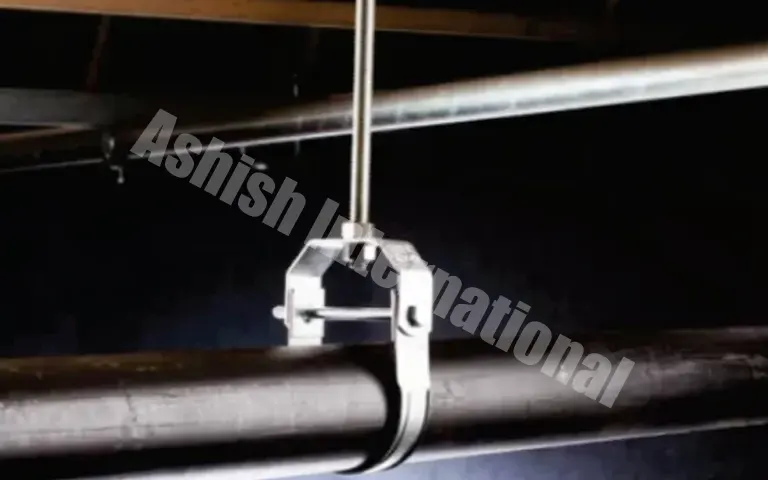
A clevis hanger is a U-shaped pipe support used to suspend and secure piping systems in HVAC, plumbing, and industrial installations. It retains strong lateral stability while permitting vertical movement brought on by thermal expansion. Understanding what is a clevis hanger is essential for engineers, contractors, and facility managers who need reliable pipe suspension systems for safe and efficient operation. This article explains what is a clevis hanger used for, explores clevis hanger types and sizes, discusses its role in HVAC and plumbing applications, and provides expert insight into how this simple component improves system reliability. Understanding What is a Clevis Hanger A clevis hanger has a curved lower strap that holds the pipe in place and a yoke-shaped top part with a threaded rod connector. The strap can be easily adjusted and installed because of the bolt that runs through both ends. The hanger can hold a pipe securely thanks to this design, which also permits some movement to account for expansion and contraction brought on by temperature changes. The clevis hanger pipe support is commonly used in both horizontal and vertical piping systems. It distributes the load evenly across the structure, preventing sagging, vibration, or strain on joints. The top connection is typically mounted to a beam or ceiling, making it one of the most versatile and cost-effective pipe support methods in use today. What is a Clevis Hanger Used For Clevis hangers are designed to support pipes carrying liquids, gases, or steam in mechanical, HVAC, and plumbing systems. They are used to suspend: Hot and cold water pipelines Fire protection systems Steam and condensate lines Industrial process pipelines Air ducts and mechanical conduits The hanger is particularly useful in lengthy pipe lengths where expansion and contraction happen often because it permits regulated vertical movement. Design and Components of a Clevis Hanger The typical clevis hanger assembly includes: Upper Yoke or Strap: Connects to a threaded rod or support structure. Lower U-Strap: Cradles the pipe securely. Connecting Bolt and Nut: Allows rotation and adjustment during installation. Depending on the load and environmental requirements, the hanger can be made from carbon steel, stainless steel, or galvanized materials. Modern systems often integrate additional components such as quick nut or speed nut fasteners for faster installation and maintenance. Clevis Hanger Types and Sizes The clevis hanger types and sizes are determined by the pipe diameter, load capacity, and service environment. Standard Clevis Hangers – Commonly used in general plumbing and HVAC systems for horizontal pipes. Adjustable Clevis Hanger – Allows height adjustment during installation, offering flexibility in tight or uneven spaces. Insulated Clevis Hanger – Fitted with a rubber or neoprene lining to minimize vibration and prevent metal-to-metal contact. Heavy-Duty Clevis Hanger – Designed for large-diameter industrial pipes with higher load requirements. The diameters usually vary from ½ inch to more than 24 inches. For the best support and stability, the hanger’s diameter must match the pipe’s outer diameter. Clevis Hanger Applications in HVAC and Plumbing The clevis hanger applications HVAC plumbing sectors are extensive due to the component’s versatility and load-bearing capabilities. HVAC Systems: Used for supporting chilled water, condenser water, and refrigerant piping while minimizing vibration and noise. Plumbing Installations: Provides support for water supply, drainage, and vent lines, ensuring correct slope and alignment. Industrial Facilities: Handles high-temperature steam lines and chemical transport systems. Fire Protection Networks: Ensures rigid suspension of sprinkler pipes. When integrated with fabricated steel structures, clevis hangers form part of a modular and durable support system that withstands mechanical stress and environmental exposure. Clevis Hanger Vertical Pipe Support While clevis hangers are primarily used for horizontal piping, they can also function as clevis hanger vertical pipe support in systems where pipes pass between multiple floors. They maintain alignment while supplying the necessary tension in these kinds of applications. Additional parts, like locking nuts or rod stiffeners, are utilized for vertical installations to stop undesired movement. Stability under both static and dynamic loads is guaranteed by this configuration. Adjustable Clevis Hanger for Complex Installations The adjustable clevis hanger design is particularly useful in situations where installation space is limited or where precise pipe alignment is required. The hanger height can be readily changed during setup thanks to an adjustable screw and threaded connection. When it comes to restoration projects or uneven ceiling structures, where it would be challenging to align fixed supports, contractors frequently favor this type. It offers long-term flexibility during maintenance or retrofits and shortens the installation time. Material and Coating Options Clevis hangers are available in multiple materials depending on load and environmental conditions: Material Description Typical Use Carbon Steel Strong and economical Indoor plumbing and HVAC Stainless Steel High corrosion resistance Outdoor, marine, and chemical environments Galvanized Steel Added rust protection Industrial and commercial buildings To improve corrosion resistance, hangers may also receive epoxy coatings, zinc plating, or powder finishes. When paired with self drilling screws, they create a robust mechanical assembly suitable for long-term service. Installation Guidelines for Clevis Hangers A correctly installed clevis hanger ensures optimal pipe alignment and prevents premature wear or system noise. Installation steps: Verify the correct hanger size for the pipe’s outer diameter. Secure the top connection to a structural beam or ceiling. Insert the threaded rod and adjust the hanger’s height. Slide the pipe into the saddle and tighten the connecting bolt. Confirm that the pipe can move slightly for thermal expansion. Using quality hardware such as clevis hanger fittings from reputable manufacturers guarantees stability and compliance with international standards. Performance Benefits Load Distribution: Spreads the pipe weight evenly, reducing stress on connections. Thermal Flexibility: Allows controlled movement due to temperature changes. Noise Reduction: When insulated, minimizes vibration and noise transfer. Easy Maintenance: Simple design allows quick inspection and adjustments. Durability: Coated or stainless options extend service life in harsh environments. Clevis hangers provide effective operation with low maintenance costs, making them essential components of sustainable building systems. Industry Standards and Specifications Clevis hangers are manufactured in accordance with international standards such as MSS