A robust plumbing network is critical to any building’s structural integrity and functionality. At its core lies the often-overlooked but essential plumbing support system India relies on for safety and longevity. This guide provides a comprehensive overview of the components, standards, and selection criteria for ensuring a durable and compliant plumbing infrastructure, drawing lessons from manufacturing leaders committed to quality and precision in every industry.
Understanding Plumbing Support Systems
What Are Plumbing Supports?
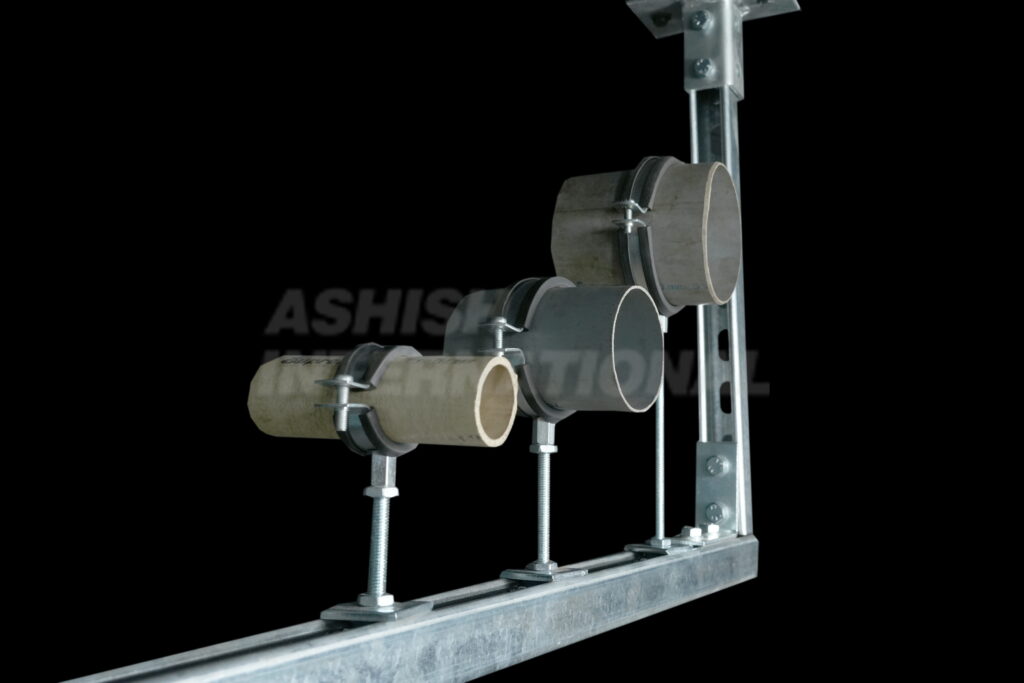
A plumbing support system is the engineered network of hangers, clamps, anchors, and structural attachments, such as a channel bracket, that secure pipes and plumbing components throughout a building. Its primary functions are to manage the static weight of pipes, control dynamic movement from thermal changes or vibration, and prevent damage to the piping and the building structure. Think of it as the skeleton that holds the building’s circulatory (plumbing) system firmly in place. Common components include hangers, clamps, and specialized items like MS pipe support saddles.Why Are They Crucial for Buildings?
Properly engineered supports are non-negotiable for a building’s health and longevity. Their importance cannot be overstated for several reasons:- Prevents Sagging and Damage: Inadequate support leads to pipe sagging (deflection), which creates low points where sediment can collect, causing blockages and restricted flow. Over time, this stress can lead to cracks and leaks.
- Absorbs Vibration and Noise: Supports dampen vibrations from fluid flow, significantly reducing noise like water hammer. This is crucial for occupant comfort in both residential and commercial buildings.
- Accommodates Movement: Pipes expand and contract with temperature changes. A well-designed system allows for this thermal movement without transferring stress to the building structure or the pipe joints.
- Ensures Structural Integrity: By bearing the load of the piping, the system protects walls, ceilings, and structural members from undue stress, preserving the building’s integrity.
Key Components of a Plumbing Support System
Essential Pipe Support Clamps
Clamps are used to securely fasten pipes to a supporting structure. The choice of pipe support clamps depends on the pipe size, load, and whether the pipe needs to be anchored or allowed to move.- U-Bolts: U-shaped bolts that wrap around a pipe and are secured with nuts, often a channel nut, typically used to anchor pipes to structural steel or channels.
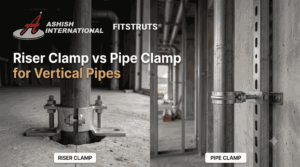
- Riser Clamps: Designed to support the weight of vertical pipe runs (risers) by clamping around the pipe and resting on the floor slab or a structural member.
- Two-Bolt Pipe Clamps: Consist of two pieces of steel that bolt together around the pipe, often used for suspending horizontal runs.
Types of Pipe Hangers and Supports
Hangers connect the pipe to an overhead structure like a ceiling or beam. The selection of pipe hangers and supports is critical for managing pipe loads and movement.- Clevis Hangers: A versatile, U-shaped hanger that supports the pipe from below, allowing for vertical adjustment. It is suitable for stationary, horizontal pipe runs.
- Split Ring Hangers: A two-piece ring that clamps around the pipe and is supported by a threaded rod. It is ideal for individual pipe runs and allows for some vertical adjustment.
- Roller Hangers: These supports incorporate a roller to allow for axial movement of the pipe, making them ideal for systems with significant thermal expansion and contraction.
26+
25+
< 12 hr
Have a Requirement in Mind?
Choosing the Right Plumbing Support System in India
Selecting the correct plumbing support system India requires a careful analysis of multiple factors to ensure safety, compliance, and cost-effectiveness. A one-size-fits-all approach can lead to system failure.
Factors to Consider for Selection
Engineers and installers must evaluate several variables before specifying a support system. These factors influence the type of support, material, and spacing.
| Factor | Consideration | Recommended Feature |
| Pipe Material & Size | Different materials (PVC, steel, copper) have varying strengths and weights. | Spacing and support type must match material specifications. |
| Fluid Temperature | Hot fluids cause expansion; cryogenic fluids cause contraction. | Use roller hangers or expansion loops to manage movement. |
| Load Weight | Includes the weight of the pipe, fluid, and insulation. | Calculate total load to select supports with adequate capacity. |
| Environmental Conditions | Corrosive, humid, or outdoor environments require durable materials. | Specify galvanized or stainless steel supports. |
Plumbing Installation Standards India
Adherence to national and local codes is mandatory. The primary reference for plumbing installation standards India comes from the Bureau of Indian Standards (BIS). Key codes like the National Building Code (NBC) of India provide guidelines on support spacing, materials, and installation practices. It is essential to consult these standards to ensure the safety, legality, and performance of the installation. Always work with a certified engineer who understands the specific local building codes, as requirements can vary between municipalities.
Common Applications and Use Cases
The requirements for a plumbing support system India vary significantly between residential, commercial, and industrial settings.
Industrial and Commercial Plumbing
Factories, power plants, and large commercial buildings demand heavy-duty solutions. The requirements for industrial pipe supports are stringent due to larger pipe diameters, higher pressures, and often hazardous materials. These systems must support heavy process piping, HVAC systems, and fire-fighting pipelines. Specialized materials are often needed to resist corrosion and extreme temperatures. Components like heavy-duty MS pipe support saddles are common in these demanding environments where robust support is critical.
Residential Plumbing Support Needs
In homes and apartments, the focus is often on supporting smaller-diameter copper, PVC, or CPVC pipes for water supply and drainage. While the loads are lighter, proper support is still crucial to prevent noise and sagging. Common challenges include working in confined spaces like walls and ceilings. Homeowners should periodically check for loose or sagging pipes, as these are early signs of an inadequate support system. Properly installed pipe hangers and supports ensure a quiet and reliable plumbing network for years.
The Importance of Quality Manufacturing
Lessons from Industry Leaders
Excellence in manufacturing is a universal principle. Consider a company like Ashish Exports. Since its founding, with roots in mint product manufacturing going back to 1982, its success as a global exporter of essential oils and aromatic chemicals has been built on an unwavering commitment to quality, fair business policies, and a dedicated workforce. Its role as a leading supplier of Mentha Oil for major commodity exchanges like MCX and NCDEX is a testament to its ability to meet stringent quality standards consistently. Just as pure, traceable ingredients are vital for their products, high-grade, tested materials are essential for durable industrial pipe supports and other fabricated components.Sourcing from Reputable Manufacturers
When sourcing components, it is crucial to partner with reputable plumbing fixtures manufacturers. Here’s a simple process to follow:- Verify Certifications: Look for manufacturers with quality certifications like ISO 9001, which indicates a commitment to quality management systems.
- Request Material Traceability: Reputable suppliers can provide documentation tracing the raw materials used in their products, ensuring they meet specifications.
- Check for Product Testing: Inquire about load testing and quality control procedures to ensure the components will perform as expected.
Frequently Asked Questions
Q1. What is the standard distance between pipe supports in India?
The distance varies by pipe material, size, and relevant codes, but as a general rule, steel pipes may be supported every 10-12 feet, while PVC pipes require support every 3-4 feet.
Q2. What material is best for plumbing pipe clamps?
Galvanized steel is the most common and cost-effective material for general use, while stainless steel is best for corrosive or outdoor environments.
Q3. How do you calculate the load on a pipe support?
The load is calculated by adding the weight of the pipe, the weight of the fluid it carries, and the weight of any insulation over a specific span.
Q4. Can I use the same supports for hot and cold water pipes?
Yes, but for hot water pipes, you must account for thermal expansion by using supports that allow for movement, such as roller hangers or clevis hangers with oversized holes.
Q5. What are seismic pipe supports and are they needed in India?
Seismic supports are designed to handle movement during an earthquake and are required in seismically active zones as defined by Indian building codes.
Q6. How does pipe material affect the choice of support system?
Pipe material dictates the required support spacing, the type of clamp material to prevent corrosion, and the overall load capacity needed for the support.

Meet Kriti Mittal, the brand storyteller at Ashish International, a global leader in sheet metal components and industrial fasteners. She specialises in turning technical expertise into engaging stories that highlight the company’s precision, quality, and product innovations. Passionate about manufacturing trends and clear communication, she connects global industries with Ashish International’s vision of performance, trust, and reliability.