
Plumbing Support System India
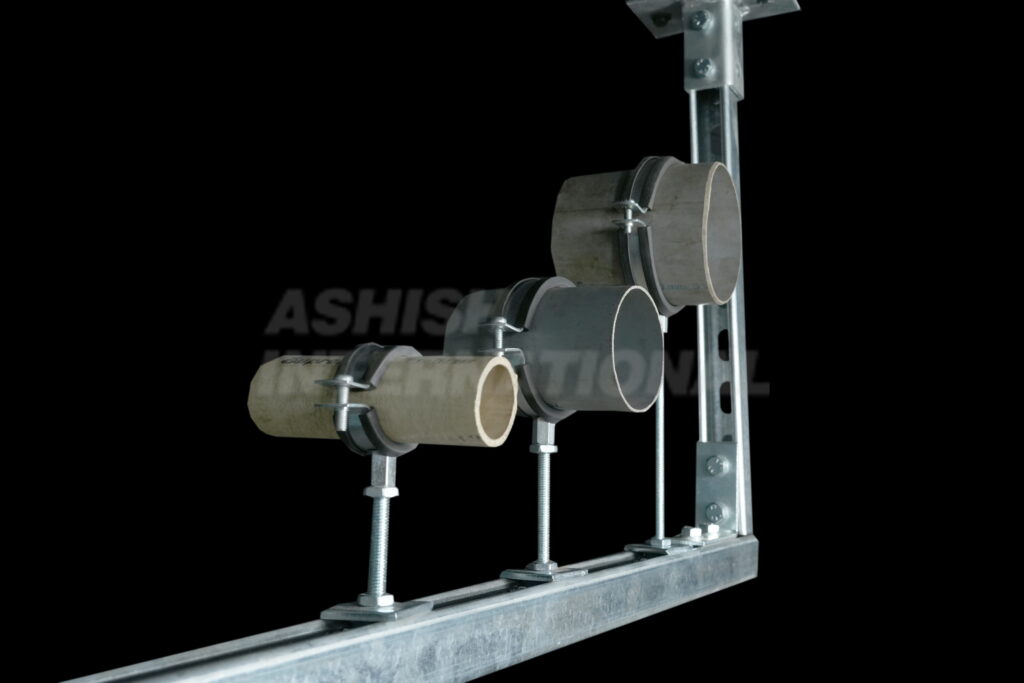
A robust plumbing network is critical to any building’s structural integrity and functionality. At its core lies the often-overlooked but essential plumbing support system India relies on for safety and longevity. This guide provides a comprehensive overview of the components, standards, and selection criteria for ensuring a durable and compliant plumbing infrastructure, drawing lessons from manufacturing leaders committed to quality and precision in every industry. Understanding Plumbing Support Systems Before delving into specifics, it is crucial to understand the foundational role of a plumbing support system. It is not merely an accessory but an integral part of the building’s mechanical, electrical, and plumbing (MEP) framework, ensuring long-term performance and safety. What Are Plumbing Supports? A plumbing support system is the engineered network of hangers, clamps, anchors, and structural attachments, such as a channel bracket, that secure pipes and plumbing components throughout a building. Its primary functions are to manage the static weight of pipes, control dynamic movement from thermal changes or vibration, and prevent damage to the piping and the building structure. Think of it as the skeleton that holds the building’s circulatory (plumbing) system firmly in place. Common components include hangers, clamps, and specialized items like MS pipe support saddles. Why Are They Crucial for Buildings? Properly engineered supports are non-negotiable for a building’s health and longevity. Their importance cannot be overstated for several reasons: Prevents Sagging and Damage: Inadequate support leads to pipe sagging (deflection), which creates low points where sediment can collect, causing blockages and restricted flow. Over time, this stress can lead to cracks and leaks. Absorbs Vibration and Noise: Supports dampen vibrations from fluid flow, significantly reducing noise like water hammer. This is crucial for occupant comfort in both residential and commercial buildings. Accommodates Movement: Pipes expand and contract with temperature changes. A well-designed system allows for this thermal movement without transferring stress to the building structure or the pipe joints. Ensures Structural Integrity: By bearing the load of the piping, the system protects walls, ceilings, and structural members from undue stress, preserving the building’s integrity. Key Components of a Plumbing Support System A complete plumbing support system India uses a variety of components, including pipe clamps, each designed for a specific application, load, and pipe material. Understanding these parts is key to designing an effective network. Essential Pipe Support Clamps Clamps are used to securely fasten pipes to a supporting structure. The choice of pipe support clamps depends on the pipe size, load, and whether the pipe needs to be anchored or allowed to move. U-Bolts: U-shaped bolts that wrap around a pipe and are secured with nuts, often a channel nut, typically used to anchor pipes to structural steel or channels. Riser Clamps: Designed to support the weight of vertical pipe runs (risers) by clamping around the pipe and resting on the floor slab or a structural member. Two-Bolt Pipe Clamps: Consist of two pieces of steel that bolt together around the pipe, often used for suspending horizontal runs. Materials for clamps include galvanized steel for corrosion resistance, stainless steel for harsh environments, and copper-plated steel for use with copper tubing to prevent galvanic corrosion. Types of Pipe Hangers and Supports Hangers connect the pipe to an overhead structure like a ceiling or beam. The selection of pipe hangers and supports is critical for managing pipe loads and movement. Clevis Hangers: A versatile, U-shaped hanger that supports the pipe from below, allowing for vertical adjustment. It is suitable for stationary, horizontal pipe runs. Split Ring Hangers: A two-piece ring that clamps around the pipe and is supported by a threaded rod. It is ideal for individual pipe runs and allows for some vertical adjustment. Roller Hangers: These supports incorporate a roller to allow for axial movement of the pipe, making them ideal for systems with significant thermal expansion and contraction. Anchors and guides are also vital. Anchors create fixed points to control movement, while guides allow longitudinal movement but restrict lateral motion. Choosing the Right Plumbing Support System in India Selecting the correct plumbing support system India requires a careful analysis of multiple factors to ensure safety, compliance, and cost-effectiveness. A one-size-fits-all approach can lead to system failure. Factors to Consider for Selection Engineers and installers must evaluate several variables before specifying a support system. These factors influence the type of support, material, and spacing. Factor Consideration Recommended Feature Pipe Material & Size Different materials (PVC, steel, copper) have varying strengths and weights. Spacing and support type must match material specifications. Fluid Temperature Hot fluids cause expansion; cryogenic fluids cause contraction. Use roller hangers or expansion loops to manage movement. Load Weight Includes the weight of the pipe, fluid, and insulation. Calculate total load to select supports with adequate capacity. Environmental Conditions Corrosive, humid, or outdoor environments require durable materials. Specify galvanized or stainless steel supports. Plumbing Installation Standards India Adherence to national and local codes is mandatory. The primary reference for plumbing installation standards India comes from the Bureau of Indian Standards (BIS). Key codes like the National Building Code (NBC) of India provide guidelines on support spacing, materials, and installation practices. It is essential to consult these standards to ensure the safety, legality, and performance of the installation. Always work with a certified engineer who understands the specific local building codes, as requirements can vary between municipalities. Common Applications and Use Cases The requirements for a plumbing support system India vary significantly between residential, commercial, and industrial settings. Industrial and Commercial Plumbing Factories, power plants, and large commercial buildings demand heavy-duty solutions. The requirements for industrial pipe supports are stringent due to larger pipe diameters, higher pressures, and often hazardous materials. These systems must support heavy process piping, HVAC systems, and fire-fighting pipelines. Specialized materials are often needed to resist corrosion and extreme temperatures. Components like heavy-duty MS pipe support saddles are common in these demanding environments where robust support is critical. Residential Plumbing Support Needs In homes and apartments, the focus is often on supporting smaller-diameter copper, PVC, or
The Ultimate Guide to HVAC Support System India (2026)

An effective HVAC support system India is the structural backbone of any modern building’s mechanical infrastructure. It ensures safety, efficiency, and longevity. As a leading manufacturer and exporter, Ashish International provides this comprehensive guide for international buyers and sourcing managers, detailing the critical components, materials, and standards that define a reliable system. This guide is your resource for sourcing high-quality HVAC supports engineered for global compliance and performance. Understanding the HVAC Support System India A robust support framework is non-negotiable for modern construction projects, ensuring the stability and performance of heating, ventilation, and air conditioning infrastructure. What They Are and Why They Matter An HVAC support system is the structural framework that secures and stabilizes ducts, pipes, and equipment. Its critical role is to prevent system failure, reduce noise and vibration, and ensure long-term operational integrity. In the context of large commercial and industrial buildings across India, these systems are essential for maintaining safety standards and preventing costly structural damage. A well-engineered system guarantees that all components remain securely in place throughout the building’s lifecycle. The Role of Supports in MEP Systems HVAC supports are a crucial element within the larger mechanical, electrical, and plumbing ecosystem of a building. Ensuring Stability and Safety in MEP Support Systems HVAC supports are an integral part of broader MEP support systems. Proper supports prevent sagging ducts and pipes, which can lead to leaks, reduced airflow efficiency, and significant safety hazards. At Ashish International, our products are designed for seamless coordination with electrical cable trays and plumbing lines, ensuring a cohesive and stable installation. This integrated approach is vital for complex projects where multiple systems must coexist without interference, making well-designed MEP support systems indispensable. Core Components of an HVAC Support System The reliability of the entire system depends on the quality and correct application of its core components. Strut Channels and Fittings Strut channels, often referred to as Unistrut, serve as the versatile backbone of modern support systems. These standardized channels allow for the attachment of various fittings, including channel nuts, brackets like the channel bracket, and cantilever arms, to create custom support structures. Ashish International manufactures a comprehensive range of strut channel systems, providing the flexibility needed to build robust frameworks for any application. Pipe Hangers, Clamps, and Saddles To secure piping, a variety of supports are used. Key components include clevis hangers, riser clamps for vertical runs, and split clamps. The choice between lined and unlined clamps is crucial; lined clamps provide vibration dampening and thermal insulation, while unlined clamps are suitable for general support. Ashish International offers a diverse selection of these solutions, ensuring secure and stable pipe installations as part of our comprehensive pipe support systems India. Essential Industrial Fasteners for HVAC The integrity of any support structure is fundamentally reliant on the quality of the fasteners holding it together. Bolts, Nuts, and Threaded Rods Fasteners are the critical elements that bind the entire system. Key types of industrial fasteners for HVAC include anchor bolts for securing to concrete, hex nuts, threaded rods for suspension, and U-bolts for securing pipes to channels. Ashish International manufactures a wide array of high-tensile industrial fasteners for HVAC, ensuring every connection is secure and compliant with international standards. Types of HVAC Duct Supports Different duct sizes and configurations require specific support solutions to ensure stability and prevent sagging. Hanger and Trapeze Systems For ductwork, two primary support methods are used. Single-hanger supports are ideal for smaller, individual ducts, while trapeze supports, constructed with a horizontal strut channel suspended by two threaded rods, are used for larger ducts or multiple parallel runs. These versatile HVAC hanger systems provide stability and allow for precise height adjustments. As a premier provider of HVAC duct supports, Ashish International offers all necessary components for both configurations. Selecting the Right Materials Material choice is dictated by the installation environment and is critical for ensuring the system’s longevity and corrosion resistance. Mild Steel vs. Stainless Steel The most common materials for HVAC supports are pre-galvanized steel for indoor use, hot-dip galvanized steel for outdoor or damp environments, and stainless steel for highly corrosive areas like coastal regions or chemical plants. Ashish International possesses deep expertise in manufacturing with both mild and stainless steel, offering clients the optimal material for their specific project requirements. Material Recommended Environment Corrosion Resistance Pre-Galvanized Steel Indoor, Dry Standard Hot-Dip Galvanized Steel Outdoor, Damp, Humid High Stainless Steel (SS304/SS316) Corrosive, Coastal, Chemical Very High / Excellent Design and Load Calculation Basics Proper engineering and calculation are foundational to a safe and compliant support system. Factors Influencing System Design A safe HVAC support system India requires careful design based on load calculations. Engineers must account for the dead load (ducts, pipes, insulation) and live loads (vibration, seismic activity). Key factors to consider include: The span between supports. The size and total weight of the components being supported. Environmental conditions, such as wind or potential seismic activity. The structural capacity of the anchor points. Proper engineering is crucial for safety, compliance, and long-term system reliability. Ashish International: A Trusted Manufacturer for HVAC support system India With a proven track record in global markets, Ashish International stands as a reliable partner for high-quality support systems. Our Commitment to Quality Ashish International is a leading manufacturer and exporter with over two decades of expertise in the MEP industry. Our global reach extends to Europe, the USA, the Middle East, and beyond, built on an unwavering commitment to superior performance, quality, and customer satisfaction. We deliver engineered solutions that meet the stringent demands of international trade partners looking for a dependable HVAC support system India supplier. Our Strut Channel Support Systems and Unistrut channel brackets India Our comprehensive range of strut channel products forms the foundation for versatile and reliable support frameworks. A Foundation for Reliable Support Our product line features Strut Channels, Channel Spring Nuts (a type of channel nut), Cantilever Arms, and a full range of Unistrut channel brackets India. These components create a fully integrated and adjustable