
How to Use Strut Channel
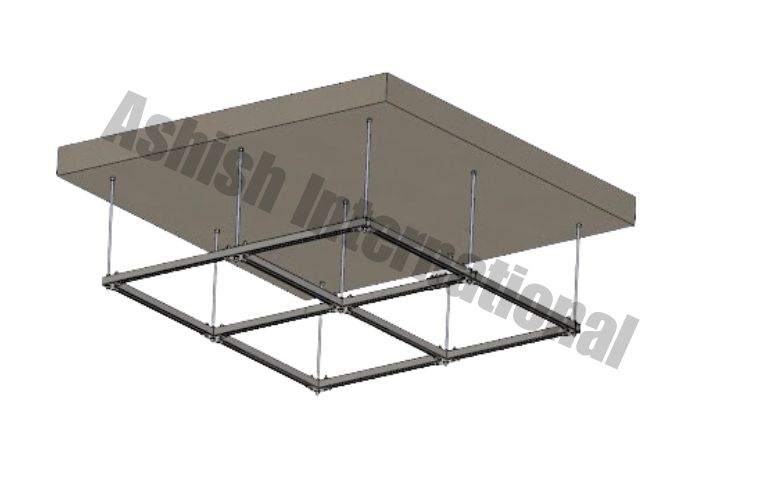
If you’re searching for a clear, practical explanation of how to use strut channel, this guide gives you the answer right away. Strut channels are an essential part of modern construction and industrial systems, providing strong, modular support for pipes, wiring, HVAC ducts, and solar panel structures. In this guide, you’ll learn everything about how to use strut channel — from choosing the right type to mounting, testing its strength, and understanding how much weight it can safely support. Whether you’re an installer, engineer, or DIY enthusiast, this guide will help you create stable, professional-grade support systems with confidence. What Is a Strut Channel and Why It’s Important A strut channel is a U-shaped metal framing system made from steel, stainless steel, or aluminum, designed to hold pipes, cables, and other mechanical components securely in place. It allows for quick assembly using bolts, nuts, and fittings without welding — making installation fast, adjustable, and clean. Why Professionals Prefer Strut Channels: Easy to install and reposition Reduces the need for welding or cutting Strong and long-lasting Corrosion-resistant with finishes like hot-dip galvanization Cost-effective and reusable Understanding these basics is the first step toward mastering how to use strut channel in any industrial or commercial project. Different Types and Their Best Uses Before learning how to use strut channel, it’s important to recognize the main types available: Solid Channel: A plain, un-slotted design offering maximum strength for permanent installations such as wall-mounted equipment or enclosed indoor systems. Short-Slotted Channel: Includes evenly spaced short slots for easy alignment and adjustable mounting — great for electrical and plumbing applications. Long-Slotted Channel: Provides extended slots that allow flexible spacing between bolts — perfect for hanging or ceiling-mounted systems. Back-to-Back Channel: Two channels welded together for added rigidity and load capacity, ideal for heavy-duty setups like solar or industrial framing. Each type serves a specific structural purpose, and the right choice ensures you know precisely how strong is strut channel for your intended application. How to Use Strut Channel: Step-by-Step Guide Planning the Layout The first step in learning how to use strut channel is precise planning. Identify where the supports will go and ensure the mounting surface can bear the total weight. Use a level and measuring tape to mark your alignment points accurately. Pro Tip: Keep spacing consistent to distribute loads evenly and prevent deflection. Cutting the Channel Measure your required lengths and cut the channel with a hacksaw or electric cutter. File down sharp edges to maintain safety and a professional finish. Mounting the Strut Channel Here’s how to mount strut channel securely: Align the channel with your markings on the surface. Drill holes for your anchor bolts. Attach the channel using suitable fasteners or expansion anchors. Double-check the alignment before tightening. For ceiling installations, suspend the channel using threaded rods or clevis hangers for stability. Once fixed, your frame is ready for accessories and fittings. Attaching Components Slide channel nuts into the slot and rotate them 90° to lock. For ease, you can also use quick nuts. Then add brackets, clamps, or fixtures. This modular assembly allows flexible configurations without permanent welding or cutting. Testing the Setup After assembly, apply gradual weight to ensure the structure remains stable. Tighten all bolts securely and check for any unwanted movement. Proper load testing is essential in mastering how to use strut channel correctly. Understanding Load Capacity One of the most frequently asked questions is how much weight can strut channel support. The answer depends on material, thickness, and installation method. For instance: A 41×21 mm mild steel channel can typically hold around 200–250 kg per meter. A 41×41 mm solid channel may support up to 600 kg per meter. A back-to-back 41×41 mm galvanized channel can handle 700–1000 kg per meter under ideal conditions. These values may vary, so always refer to manufacturer load charts. Key Factors Affecting Weight Capacity: Channel thickness and steel grade Distance between supports Load type (static or dynamic) Quality of fittings and anchors Knowing how much weight can strut channel support ensures your project meets both safety and engineering standards. Evaluating Strut Channel Strength When evaluating how strong is strut channel, three aspects come into play: Material Composition – Mild steel and stainless steel provide excellent tensile and compressive strength. Profile Design – The U-shaped section offers high rigidity and distributes weight efficiently. Mounting Technique – A properly secured channel with quality fittings will carry much greater loads than a loosely anchored system. The combination of geometry and material is what makes strut channels remarkably dependable. When installed correctly, they can withstand heavy weights and vibrations while maintaining alignment and safety. Professional Installation Tips Once you know how to use strut channel, these professional techniques help you achieve long-term reliability: Reinforce Heavy Loads: Use double channels or additional brackets for large systems. Avoid Over-Tightening: Excess pressure on bolts can damage threads or deform the metal. Apply Protective Coating: Galvanized or stainless finishes protect against corrosion in outdoor or humid conditions. Maintain Proper Spacing: Keep supports evenly spaced for balanced weight distribution. Inspect Regularly: Periodically check bolts, fittings, and joints for signs of stress or rust. These practices enhance both the performance and lifespan of your installation. Practical Applications of Strut Channels Strut channels are used in virtually every field that requires modular, durable support systems. Understanding how to use strut channel across these applications will expand your project options: HVAC Systems: Supporting air ducts and ventilation units. Electrical Installations: Holding cable trays and conduit systems. Solar Energy: Framing for solar panels and racking structures. Industrial Plants: Mounting heavy machinery and safety guards. Plumbing: Supporting multiple pipe lines with clamps and brackets. Their flexibility makes them a go-to solution for fast, efficient, and adjustable assemblies. Maintenance and Safety Guidelines A well-maintained installation not only lasts longer but performs better. Here’s how to care for your setup once you’ve learned how to use strut channel properly: Clean dust