
10mm Threaded Rod
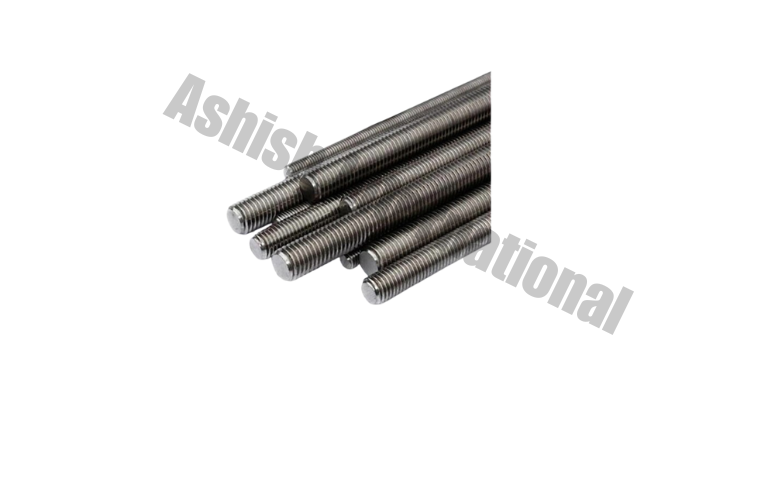
10mm Threaded Rod Premium Quality 10mm Threaded Rod – Durable & Reliable Solution for Industrial Needs 10mm Threaded Rod Manufacturer & Supplier India A 10mm threaded rod is a steel rod, 10 mm in diameter, with a thread running along its full length so a nut can grip at any point. Known as M10 threaded rod, M10 studding, or all-thread, it is a popular size for medium and heavier support work, where an 8mm rod would be too light. It is used to hang and fix pipes, ducts, cable trays, and equipment from ceilings and structures, and to join or anchor parts, simply by cutting it to length and adding nuts and washers. A 10mm threaded rod comes in mild or stainless steel, in several strength grades and rust-resistant finishes, and in standard lengths. Ashish International is a 10mm threaded rod manufacturer and exporter based in Ludhiana, India, with over 25 years of experience producing rods and fasteners to global quality standards. For heavier or safety-critical hangs, the right 10mm threaded rod gives a strong, dependable fixing. What is a 10mm threaded rod? A 10mm threaded rod is a round steel bar, 10 mm across, threaded from end to end. The “10mm” is the nominal outside diameter, and the standard thread is M10. Because the whole rod is threaded, a nut and washer can lock on anywhere, so you set the exact length and height you need, then trim off the rest. It is a step up in size from M8, giving more strength for heavier loads, and it is part of the threaded rod range that works with matching nuts, washers, and fixings. It matters because the rod size sets how much load a hanger can safely carry. For example, a heavier pipe or a longer cable-tray run is often hung on 10mm rod rather than 8mm. A 10mm threaded rod is an M10 steel rod threaded along its full length, for medium to heavy hangs. Should you use 10mm or 8mm threaded rod? Choosing between 10mm and 8mm threaded rod comes down to the load and the span. An 8mm (M8) rod is lighter and lower-cost, and suits small pipes, light fittings, and short hangs. A 10mm (M10) rod is thicker and stronger, so it carries more weight and works better for heavier pipes, ducts, longer drops, and trapeze supports built from strut channel. As a rule, the bigger the load or the longer the unsupported length, the larger the rod you need. Using a rod that is too small risks bending or failure, while an oversized rod adds cost and weight. Many jobs use both sizes — 8mm for light services and 10mm where loads are higher — and both can hang the same pipe hangers and clamps in the matching size. The safe size is set by the load, span, and local rules. For example, a light water pipe may use 8mm rod, while a large chilled-water pipe uses 10mm. Choose 10mm rod for heavier loads and longer drops, and 8mm for lighter, shorter hangs. How much does a 10mm threaded rod weigh per metre? The 10mm threaded rod weight per meter is useful for working out load, hanger spacing, and shipping. As a rough guide, a mild steel M10 threaded rod weighs about 0.6 kg per metre roughly 0.55 to 0.62 kg/m though the exact value shifts a little with the thread pitch, the standard, and the material. That makes it close to double the weight of an 8mm rod, which is one reason it carries more. Stainless steel weighs close to mild steel, and the thread valleys make a threaded rod slightly lighter than a solid 10 mm bar. Knowing the weight helps you size supports and plan how many pipe clamps a run can carry, or order a custom cut length. Because the precise weight depends on the exact specification, the confirmed weight per metre for each grade and finish is given on the datasheet or on request. For example, a 3-metre length of M10 rod weighs a little under two kilograms. A 10mm threaded rod weighs roughly 0.6 kg per metre, with exact figures on the datasheet. What is a 10mm threaded rod used for? A 10mm threaded rod is used wherever a stronger hang or fixing is needed, which makes it common on commercial and industrial sites. Its main use is suspending heavier services from ceilings and structures: it drops down to carry larger pipes, ducts, and cable trays, and supports the riser clamps and trapezes that hold them. It is fixed to the structure with a ceiling anchor or a beam clamp, and works with cantilever arms and channel to build strong support frames. It is also used to anchor and brace equipment, and in solar mounting structures where a sturdy rod is needed. Because M10 carries more load than M8, it is the go-to size for heavier MEP runs. The right grade keeps the hang safe for its weight. For example, a bank of large ducts is suspended on 10mm rods at set spacings. A 10mm threaded rod is used to hang heavier pipes, ducts, trays, and equipment. Which grade should you choose, and what affects the price? Choosing the right 10mm rod means matching the grade, material, and finish to the job. For general support, mild steel (such as grade 4.6 or 4.8) is fine; for heavier or safety-critical loads, a high-tensile grade like 8.8 is stronger; and for damp, coastal, or chemical areas, stainless steel (A2 or A4) resists rust. The finish plain, zinc-plated, or galvanized is chosen to suit the conditions. These same choices drive the 10mm threaded rod price, along with the length and the quantity ordered, since bulk orders usually cost less per piece. Because of this, there is no single fixed rate, and the best way to get an accurate price is to request a quote for the exact grade, finish, length, and quantity you need. When comparing prices, check the grade