
Understanding Strut Clamps: Types, Uses, and Best Practices for PVC Pipe Installations
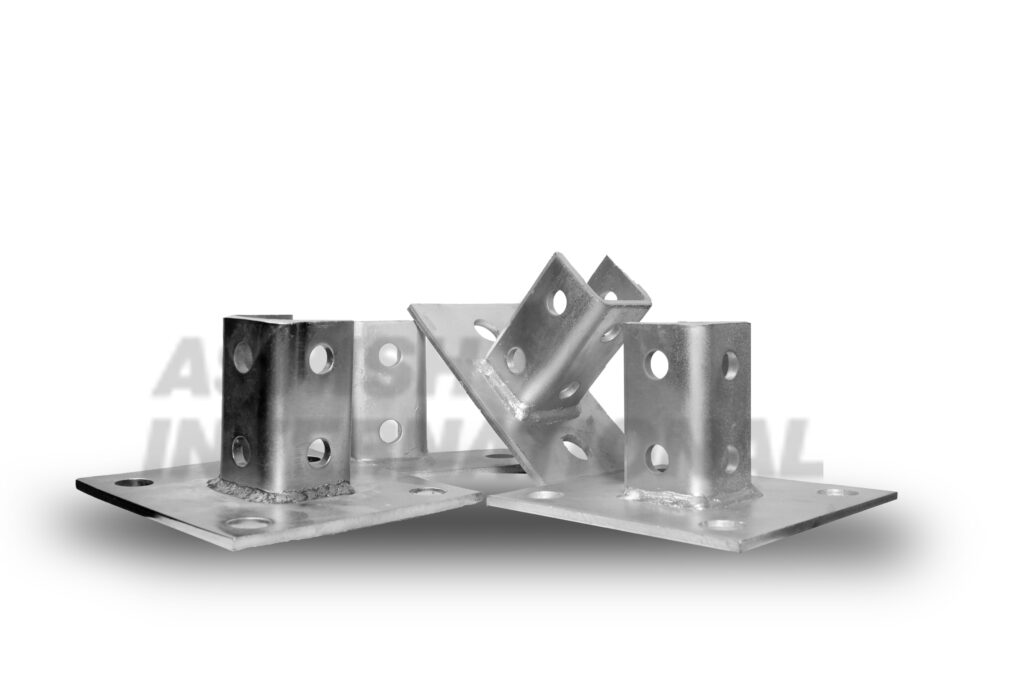
When it comes to building durable mechanical and electrical systems, few components are as essential as the strut clamp. Designed to secure pipes, conduits, and tubing to a strut channel framework, strut clamps provide the structural stability that ensures safe and efficient installations. Whether you’re managing a commercial HVAC system, a plumbing layout, or a solar mounting structure, selecting the right clamp type—especially when working with strut clamps for PVC pipe—can make a significant difference in system performance and longevity. At Ashish Exports, a global manufacturer known for precision and reliability, every clamp and fitting is designed to deliver strength, compatibility, and ease of installation—backed by more than two decades of engineering excellence. What is a Strut Clamp and How Does It Work? A strut clamp is a mechanical fastener used to hold pipes or electrical conduits firmly in place within a strut channel. The clamp helps absorb vibration, maintain alignment, and protect piping systems from displacement or wear caused by movement or temperature changes. Typically, these clamps are made from galvanized or fabricated steel, ensuring superior load-bearing capacity and corrosion resistance. The clamp fits neatly into a strut channel and is secured using a nut-and-bolt mechanism, allowing for quick installation and removal. Types of Strut Clamps Used in Construction There are several types of strut clamps available, each designed for a specific purpose and environment. Standard Strut Clamps These are commonly used in commercial buildings and industrial plants to support pipes and conduit systems. They provide a tight fit and distribute load evenly along the strut channel. PVC Pipe Strut Clamps When working with lightweight plastic piping, strut clamps for PVC pipe are preferred. They offer a softer grip, preventing deformation and allowing for expansion due to temperature fluctuations. Cushioned Pipe Clamps For installations that require noise and vibration reduction—such as HVAC systems or mechanical rooms—using pipe clamps with cushioned linings ensures quiet operation and extended service life. U-Bolt and Beam Clamp Configurations For heavy-duty or suspended applications, U-bolt and beam clamp types provide extra support and stability, especially in high-load or vertical installations. Choosing the Right Strut Clamp for PVC Pipe Applications PVC pipe systems require special consideration due to their material flexibility and temperature sensitivity. Here are key points to keep in mind: Material Compatibility: Use clamps made of stainless or galvanized steel with protective coatings to prevent abrasion. Proper Sizing: Match the clamp size to the pipe’s outer diameter for a snug fit. Thermal Expansion: Allow room for expansion and contraction—particularly in outdoor installations. Load Distribution: Ensure the strut channel is rated to handle the total load of the supported pipes. Using precision-engineered strut clamps for PVC pipe ensures stability while preserving the structural integrity of the piping system. Installation Tips for a Secure Strut Clamp System Efficient installation not only improves safety but also reduces long-term maintenance. Follow these best practices: Ensure Proper Alignment: The clamp and strut channel should be perfectly aligned to distribute the load evenly. Use Quality Fasteners: Accessories such as channel nuts provide a strong, reliable connection point within the strut system. Speed Up Assembly: For time-sensitive projects, consider using quick nuts that allow for faster installation without sacrificing strength. Torque Check: Always tighten bolts to manufacturer-recommended torque values to prevent loosening under vibration. Periodic Inspection: Inspect connections annually to ensure ongoing safety and performance. Applications Across Industries Strut clamps are used in a wide range of industries and project types: HVAC Systems: To mount and stabilize ductwork and air handling equipment. Electrical Installations: To organize and secure conduits in commercial and industrial spaces. Plumbing: To support water and drain lines in both metal and PVC systems. Solar Power Plants: To fasten cables and structural conduits in outdoor environments. Mechanical Systems: For heavy-duty piping frameworks in factories or energy facilities. Ashish Exports manufactures a full range of modular strut systems and support components that meet U.S. and international standards—ensuring safety, compatibility, and efficiency in every installation. Why Quality and Material Matter The performance of a strut clamp depends heavily on the material and coating used. Mild steel clamps offer good load capacity for indoor use, but fabricated steel or stainless-steel variants provide higher durability in outdoor or corrosive environments. Precision finishing and galvanization not only extend service life but also improve the clamp’s grip and alignment. At Ashish Exports, every clamp undergoes strict quality control to ensure it performs reliably under real-world conditions. Maintenance and Inspection of Strut Clamp Systems Routine inspection is essential to maintaining the integrity of your installation. Check for: Rust, corrosion, or loose bolts Deformed clamps due to excessive load or impact Vibration-related wear, especially in cushioned clamps Proper torque and alignment after any maintenance work Replace damaged or worn components immediately to prevent structural issues. Conclusion The right strut clamp is not just a fastening tool—it’s a critical part of your system’s safety and efficiency. By understanding different clamp types and how to use them effectively, you can ensure long-lasting, stable installations across plumbing, electrical, or mechanical applications. At Ashish Exports, we design and manufacture high-quality strut channels, fittings, and accessories that meet global performance standards. Whether you’re sourcing strut clamps for PVC pipe or complete MEP support systems, our engineering expertise and manufacturing precision make us a trusted partner for projects across the USA and beyond. Contact Ashish Exports today to learn how our custom-built support solutions can help you achieve reliable, cost-effective installations. Frequently Asked Questions Q1. What is a strut clamp used for? A strut clamp is used to hold pipes, conduits, or tubing securely within a strut channel, ensuring they remain stable and aligned during operation. Q2. Are strut clamps suitable for PVC pipes? Yes. Specialized strut clamps for PVC pipe are available that prevent abrasion and allow for expansion without damaging the pipe surface. Q3. What materials are commonly used to manufacture strut clamps? Strut clamps are usually made from galvanized, stainless, or fabricated steel, depending on the environmental conditions and load requirements. Q4. Can one clamp fit multiple pipe
Solar Module Mounting Structure

Introduction Across the United States, solar energy continues to expand as businesses and homeowners embrace cleaner power sources. At the core of every reliable solar setup is the solar module mounting structure—the physical framework that keeps panels secure, aligned, and efficient. Without a properly designed and engineered support system, even the best solar panels can underperform. A robust mounting structure not only ensures stability but also improves energy generation, withstands environmental stress, and minimizes maintenance. With more than 25 years of experience in manufacturing precision-engineered steel and MEP components, Ashish International provides the quality, strength, and customization essential for today’s solar projects. What Is a Solar Module Mounting Structure? A solar module mounting structure is the foundational framework that holds photovoltaic panels in position—on roofs, ground surfaces, poles, or even water bodies. Its design is critical to performance: correct orientation and angle maximize sun exposure while maintaining resistance to wind, snow, and seismic loads. In the U.S., solar structures must comply with local building codes, load calculations, and safety standards like UL 2703 and ASCE 7. The structure’s material, geometry, and fastening components together determine how well it performs over decades. Key Components of a Mounting Structure for Solar Panels Every part of a mounting structure for solar panels plays a vital role in ensuring system strength and reliability. The following are its key elements: 1. Rails and Frames Rails provide the foundation for securing panels. They distribute the system’s load and align the modules for uniform performance. 2. Pipe Clamps Pipe clamps connect circular supports or conduits within the mounting system, holding them firmly under environmental stress. Their durability and precision are essential in both ground-mounted and rooftop systems. 3. Channel Nut A channel nut allows flexible fastening within strut channels, enabling secure installation without complex welding. This design speeds up assembly, reduces errors, and enhances on-site safety. 4. Fabricated Steel Sections Structures made with fabricated steel provide unmatched stability and corrosion resistance. They are ideal for large-scale or coastal solar installations that demand long-term performance under tough environmental conditions. 5. Quick Nut Fasteners A quick nut simplifies on-site connections and minimizes labor time. These fasteners allow installers to tighten components quickly and consistently—critical for maintaining alignment across solar arrays. Together, these components ensure the mounting framework’s mechanical strength, precision, and longevity. Types of Solar Module Mounting Structures 1. Rooftop Mounts Perfect for residential, commercial, and industrial buildings, rooftop mounts use existing structures to support solar arrays. They are compact, efficient, and cost-effective. Advantages: Ideal for space-limited environments and urban applications. Considerations: Roof condition, weight limits, and shading must be evaluated before installation. 2. Ground Mounts Ground-mounted systems are used for larger properties or utility-scale solar farms. Advantages: Flexible orientation and easy maintenance; better airflow enhances efficiency. Considerations: Requires open land and a solid foundation to withstand environmental loads. 3. Carport and Canopy Systems These systems integrate solar power generation with shaded parking or walkway spaces. Advantages: Dual-use design—power generation plus vehicle protection. Considerations: Higher initial investment but excellent long-term value for commercial applications. 4. Pole Mounts Pole-mounted systems elevate panels above ground level. Advantages: Small footprint and minimal shading; easy access for cleaning and inspection. Considerations: Structural engineering must account for wind forces on single or dual poles. 5. Floating Solar Structures Floating solar systems are deployed on lakes, reservoirs, or retention ponds. Advantages: Reduces land use, cools panels naturally, and improves energy yield. Considerations: Requires specialized anchoring and water-resistant materials. 6. Tracking Systems Tracking systems use mechanical or electronic controls to follow the sun’s movement. Advantages: 15–25% higher power output compared to fixed-tilt systems. Considerations: Higher upfront cost and more maintenance due to moving parts. Choosing the Right Mounting Structure for Your Project Selecting a solar mounting system involves balancing design, cost, and performance. Key factors include: Site Conditions: Analyze roof strength, soil type, and local climate. Load and Wind Requirements: Confirm compliance with engineering and safety codes. Material Selection: Aluminum is lightweight; steel offers higher strength for industrial systems. Installation Time: Modular and pre-engineered structures minimize downtime. Budget and Lifespan: Consider lifecycle cost over initial price to ensure long-term ROI. Regulatory Standards: Adhere to U.S. certifications (UL 2703, ASCE 7) and local permitting rules. Professional assessment ensures that your chosen mounting structure delivers maximum performance and safety under all conditions. Benefits of High-Quality Solar Mounting Structures Enhanced Energy Output: Proper orientation ensures optimal sunlight absorption. Weather Resistance: Coated steel and corrosion-proof materials withstand harsh climates. Low Maintenance: Precision-fit components minimize wear and vibration. Faster Installation: Pre-engineered systems reduce on-site labor. Longevity: A properly built framework can last 25–30 years or longer. Reliable mounting systems also improve aesthetic appeal and system safety, making them essential for any solar investment. Common Mistakes to Avoid Using low-grade materials prone to rust or deformation. Skipping wind and snow load analysis during design. Overlooking grounding and electrical safety. Installing without verifying sun exposure and tilt. Neglecting periodic inspections and bolt tightening. Attention to these details extends lifespan and prevents costly structural issues. Conclusion A durable and precisely engineered solar module mounting structure determines how well a solar installation performs over time. From rooftop projects to utility-scale arrays, the right structural components ensure strength, safety, and efficiency. With a legacy of precision manufacturing, Ashish International provides dependable solar and MEP support solutions trusted across global markets. Each component is built to deliver performance, accuracy, and reliability for decades of sustainable energy generation. Looking for reliable, high-performance solar mounting components for your next project? Explore Ashish International’s range of strut channels, clamps, and fastening systems—or contact the team today to request a custom quote for your solar installation requirements. Frequently Asked Questions Q1. What is a solar module mounting structure? It’s a structural framework that supports solar panels at the correct angle and alignment to optimize sunlight exposure and ensure long-term system durability. Q2. What materials are best for mounting structures? Galvanized and fabricated steel are preferred for large systems, while aluminum is common in smaller rooftop setups due to its lightweight